

In this article
Let’s be honest: without a clear B2B sponsorship strategy, many sponsorships are vanity projects. For all the talk of ROI, alignment and brand strategy, too many deals still come down to visibility and status. A logo on a board. A press release announcing a “strategic partnership” that never becomes strategic. A hospitality allocation handed out with no plan for who sits in it or what should come of it.
Agencies are partly to blame. Selling inventory is easier than understanding a client’s business. But across finance, automotive, private equity and tech scale-ups, that approach is outdated. An agency that sits outside what a company is actually trying to achieve is renting space, whatever the proposal calls it.
In one recent pitch, a CEO insisted on pursuing a high-profile sponsorship because he personally loved the sport. His marketing team privately questioned whether it fitted their growth strategy, which was focused on expanding into Southeast Asia and repositioning the brand around digital innovation.
The tension was obvious. Does the CEO’s desire override strategy? In many businesses, yes. A passionate CEO can accelerate approvals and unlock significant budgets. But if that enthusiasm is disconnected from commercial objectives, the sponsorship becomes ornamental rather than operational.
The agency’s role is to translate desire into value, with evidence and calm rather than confrontation. If the CEO wants it, how does it serve market expansion? How does it support client acquisition? How does it strengthen investor perception? How does it align with digital transformation?
That is the difference between selling rights and building solutions. It is also the core of any credible B2B sponsorship strategy.
Visibility Is Overrated
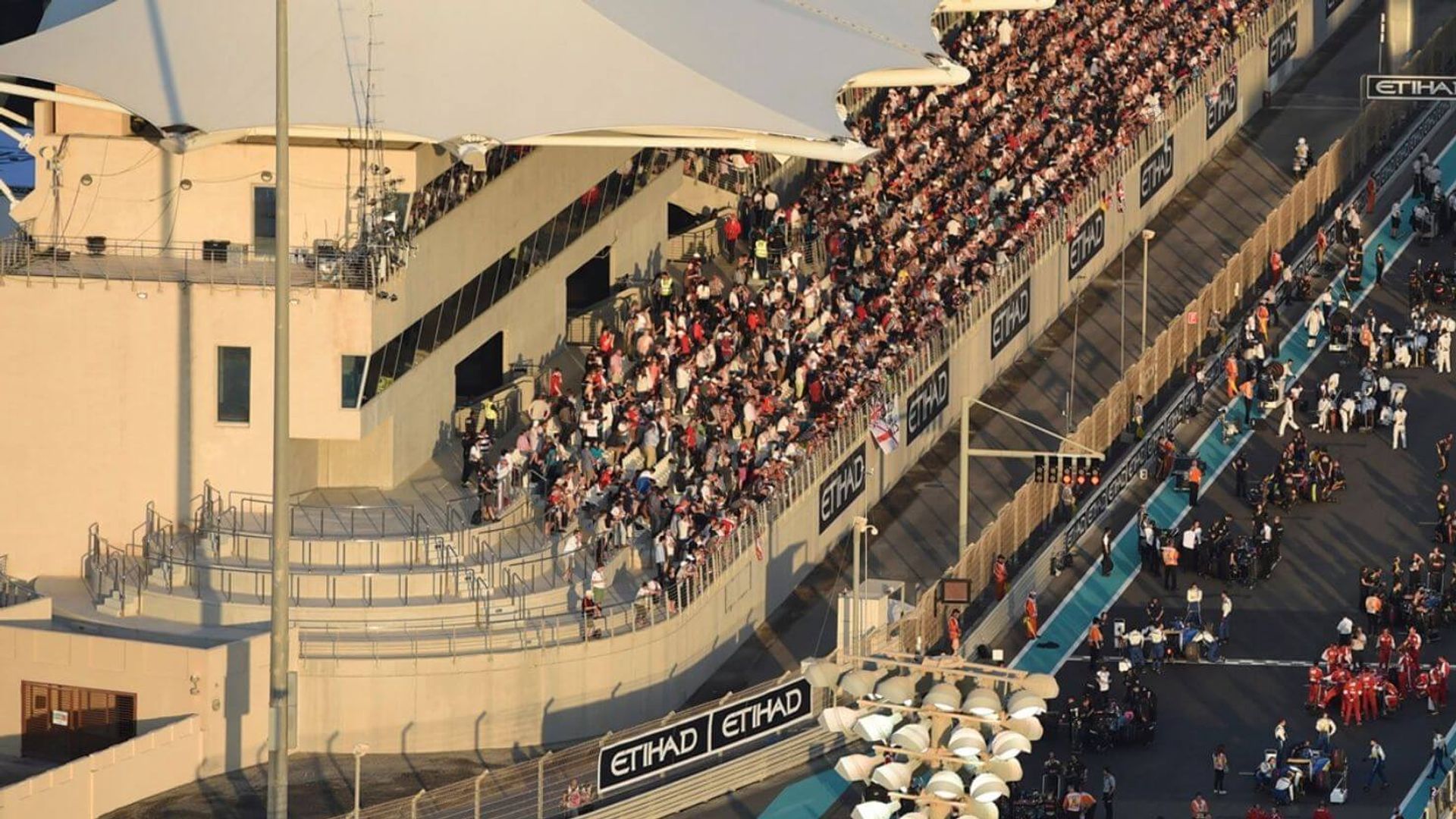
Here’s the uncomfortable truth: in B2B sectors, exposure alone rarely drives meaningful commercial impact. A logo on an LED board at a global sporting event does not automatically:
- Generate qualified leads
- Shorten sales cycles
- Improve client retention
- Attract top-tier talent
The value lies elsewhere, and it differs by business.
- Private bank: curated C-suite hospitality.
- Automotive brand: innovation storytelling and engineering credibility.
- Tech scale-up: market legitimacy and investor visibility.
A B2B sponsorship strategy has to name the lever that matters most. Good sports sponsorship in Dubai starts there. When agencies skip that step, they default to selling impressions, because impressions are easy to count. Relationships close deals.
Hospitality is often treated as the perk at the end of the contract. Tickets go to whoever asks first, nobody briefs the hosts, and nobody follows up. Run that way, it is a cost. Run properly, it is the most direct route to the people who sign.
Run properly, it looks like this:
- Guest list: built against the sales pipeline.
- Hosts: they know who they are sitting with and why.
- Follow-up: it happens within the week.
- Measurement: meetings booked and deals moved, with tickets used as a footnote.
A Formula 1 race weekend or a day at the Sevens gives a sales team hours of uninterrupted time with decision makers that no office meeting can match. That is what well-run corporate hospitality in Dubai delivers. A sound corporate hospitality strategy puts those hours to work. The missing plan is the problem. The asset itself works.
Sponsorship rarely sits within a single department. Marketing may lead it, but other teams have competing priorities:
- Marketing: reach and brand alignment.
- Sales: leads and client access.
- HR: employee engagement.
- Finance: measurable ROI.
- The CEO: impact and status.
A proposal that serves only one of them is easy to kill in the next budget round. The deeper an agency’s understanding of these internal dynamics, the more robust, and more compelling, the partnership becomes.
C-suite sponsorship decisions carry more weight than most agencies openly acknowledge. In founder-led and privately owned firms, sponsorship can become deeply personal: a CEO’s network, social standing and interests often set the direction. In large corporates, board perception and shareholder optics add another layer.
Executive influence exists. The real question is whether agencies are brave enough to navigate it properly. Handling C-suite sponsorship decisions well takes judgement. Sometimes that means challenging assumptions. Sometimes it means reframing the opportunity. Sometimes it means admitting a property is the wrong fit. That stance risks short-term friction, but it builds long-term credibility.
From Asset Sales to Commercial Strategy
The agencies that consistently secure high-value, multi-year deals are the ones with the deepest grasp of the client’s business, whatever their rate cards say. They understand:
- Where the client’s revenue growth is coming from
- Which markets are underperforming
- What pressure the CFO is applying
- What story the CEO wants to tell investors
- Which KPIs the CMO is judged on
That depth lets every asset be aligned on purpose: hospitality tied to revenue targets, content tied to brand repositioning, data capture tied to CRM growth, thought leadership tied to credibility. Instead of asking “How many LED boards would you like?”, the question becomes “What are you trying to achieve this year?” Anything less is surface-level selling.
If sponsorship wants to keep commanding serious budgets, it has to move beyond exposure metrics and box-ticking hospitality. That starts with agencies going deeper, into strategy, internal politics, executive psychology and commercial reality. Sponsorship earns its power when it aligns with what the business actually needs. That only happens when agencies stop selling logos and start understanding boardrooms. A B2B sponsorship strategy built that way survives the next budget round.
How We Approach It at ES Sport
Every partnership and hospitality conversation we have starts with the same question: what does your business need from this? Whether it is a private suite at the Abu Dhabi Grand Prix, a client day at the Emirates Dubai 7s or a long-term partnership with a community sports programme, we start from your commercial objectives and let the inventory follow.
Planning your season? Talk to our partnerships team at es-sport.ae ahead of the coming Abu Dhabi Grand Prix and Emirates Dubai 7s season, and bring us the objectives first.
Related reading: The Death of ‘Logo Slapping’: Why Fans Demand Authentic Brand Activations and Measuring Sports Sponsorship ROI: The Essential Metrics Every Corporate Sponsor Must Track.
