Biotechnology companies fear Federal Government tax changes will cut up to 60 per cent of research and development budgets for projects at critical clinic stages.
The industry has also accused the Government of promoting the country as an attractive destination for clinical trials at the same time as implementing measures that could drive trials and specialist jobs offshore.
Leading industry body AusBiotech wants to protect the $1.6 billion clinical trials ecosystem and urged the government to rethink its approach to tax to better support the sector.
Sign up to The Nightly’s newsletters.
Get the first look at the digital newspaper, curated daily stories and breaking headlines delivered to your inbox.
By continuing you agree to our Terms and Privacy Policy.
It says the government’s proposal to end tax offsets for “supporting” R&D activities from July 2028 would eliminate up to 60 per cent of annual R&D budgets for clinical-stage companies — and that capping tax incentives once a company was 15 years old disregarded the long-term nature of much of the sector’s work.
Chief executive Rebekah Cassidy said the changes had been a distraction for industry while overseas governments were actively seeking clinical-trial activity.
The body warns the Government’s changes would be a heavy blow to the domestic supply chain, revealing that Australian biotech small businesses currently make up to 40 per cent of the client base for local Clinical Research Organisations (CROs) and specialised health laboratories.
The nation’s biotechnology sector has more than doubled since 2017 to about 3000 organisations that employ about 350,000 people, while clinical trials also involve about 90,000 Australians each year.
In a submission to an inquiry about Budget tax overhauls, AusBiotech warns removing refundable offsets and capital concessions at a 15-year age limit creates a double penalty — just as trials reach their most expensive Phase 2 and Phase 3 stages. That’s well short of the 17 to 20 years typically required to bring new medicines to market.
Ms Cassidy said cutting off key tax incentives and CGT concessions at 15 years removed critical funding mid-way through Phase two or three clinical trials would be right when capital requirements peak.
“If you’re developing an advanced therapy or an oncology product, the development timelines for these products are very long, just by the nature of the work,” she said.
“They have to go through highly regulated, legally set out processes of development — quite rightly, we’re talking about products for human health.”
To address the proposed 15-year age cap on tax offsets, the peak body suggests anchoring tax eligibility directly to active trials regulated under the existing Industry Research and Development Determination 2022, provided companies remain under a $50 million turnover threshold.
The sector is also calling on government to ensure essential trial operations — such as regulatory compliance, clinical manufacturing, and trial data management — are reclassified as core R&D activities rather than stripped away as “supporting” tasks.
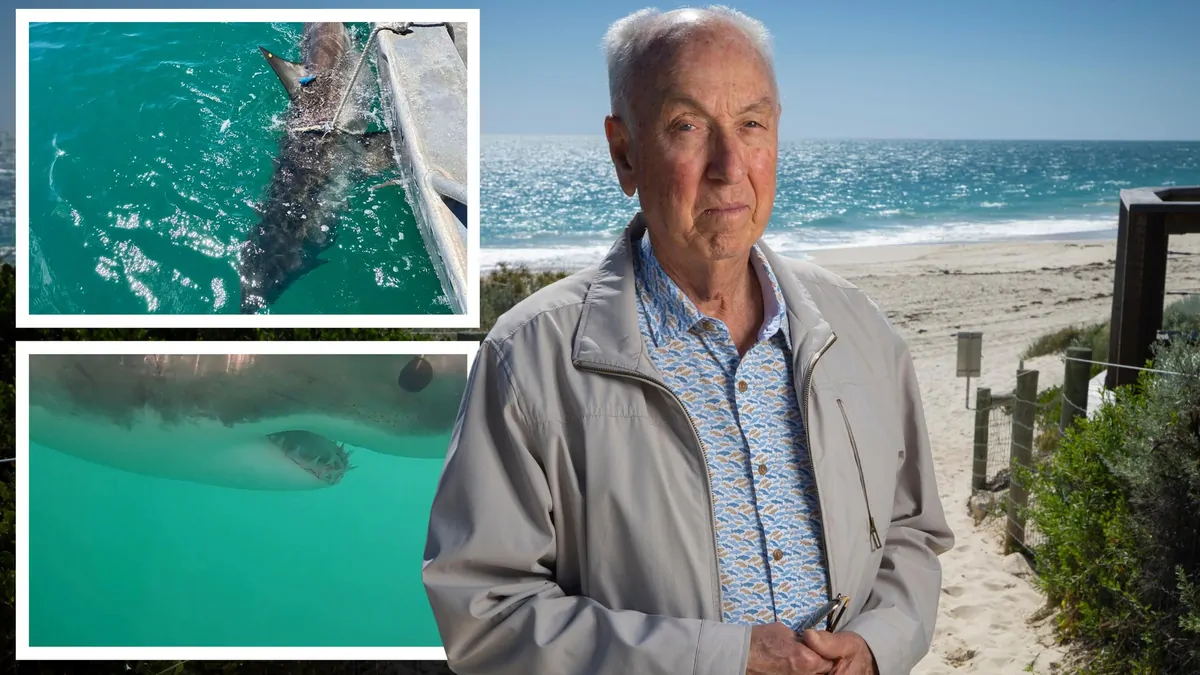
AusBiotech chief executive Rebekah Cassidy. Credit: Supplied
Rather than demanding a full repeal of the policy changes, AusBiotech has proposed several “capital-neutral” technical proposals to bridge the gap, including compromises on ASX listings, safe harbour protections and redefining core R&D as well as other policy tweaks.
Australian biotech company Argenica Therapeutics boss Liz Dallimore said the company’s development has been a long, staged process after it grew out of a decade of research from the Perron Neuroscience Research Institute.
Dr Dallimore said given the long trials, time between trial phases and the possibility of starting a new program, the 15-year limit would be a poor fit for biotech and would leave companies with little incentive.
She worried Australia could lose parts of its clinical-trial ecosystem because it would be less attractive to biotech firms, and research organisations that support the trials.
“It will definitely drive clinical trials offshore,” Dr Dallimore warned.
“It’s hard enough being an Australian biotech — we’ve got sort of the tyranny of distance. Australia’s not a huge market but we do clinical trials really well because they’re cheaper to do here because we’ve got incentives.
“We can raise money here because of the 50 per cent CGT.
“We’ve also got a fantastic listing environment in the ASX that allows us to list earlier and actually access more diverse capital.
Neuroscientist and Argenica Therapeutics chief executive Liz Dallimore. Credit: Matt Jelonek/The West Australian
“So, take all those things away . . . and as a small biotech company, you start scratching your head and go ‘well, what would keep me here?’
“For us at Argenica, the manufacturing is the thing that costs the most. It’s cost us $4 million just to manufacture the next batch of our drug for the next clinical trial.
“So, that would wipe out a significant amount of cash back into the business, which is you know just hugely detrimental.”
As opposed to scrapping the proposed exclusion of stock-market-listed companies from the IBCC tax discount, AusBiotech recommends keeping the concession active for companies listing after September 11, 2026, but restricting it strictly to new shares issued from July 1 next year to ensure the measure remains budget-neutral.
Aggressive overseas incentives include the US Department of Health and Human Services’ Operation TrialBlazer, which specifically targets Australian trial business, which could threaten to drain clinical research and high-skilled jobs away from Australia.
Ms Cassidy also called out a policy mismatch — insisting that while Austrade is promoting Australia as a trial destination the Budget changes could drive clinical trials, IP, and specialist jobs offshore.
She also warned that removing “supporting” R&D eligibility could strip away up to 60 per cent of a biotech firm’s annual budget for crucial activities like clinical manufacturing and trial management.
“I don’t think anybody in Australia is setting out to discourage clinical trials activity in Australia, or to discourage Australian innovative businesses that are entering later stage clinical trials from staying on shore,” she said.
“We want them to stay in Australia. We want them to build their clinical manufacturing in Australia. We want them to run their late stage clinical trials in Australia.
“But there is a pull in the other direction in relation to wanting to alter the research and development tax incentive and the CGT ecosystem in a way that has some consequences for the sector that maybe weren’t considered.”
She is calling for greater clarity about the next steps for the tax overhaul.
“We still have significant concerns in relation to how a few of the different parts of legislation now interact with each other,” she said.
Another company in Australia’s emerging biotech sector likely to be affected by the changes would include Perth-based Proteomics International Laboratories which is developing protein-based diagnostic blood tests for the early detection and prediction of diseases.
It includes diabetic kidney disease, oesophageal cancer and endometriosis.