

Local News
The Massachusetts Gaming Commission is investigating how betting platforms use AI.
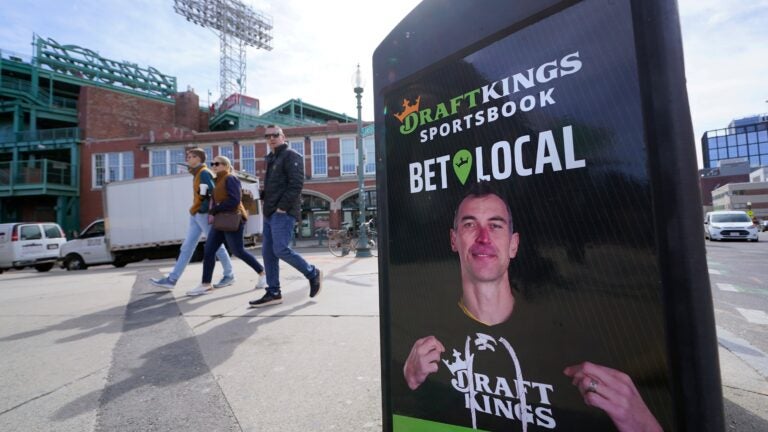
A proposed class action lawsuit alleges Boston-based sports gambling company DraftKings is using artificial intelligence to identify and target vulnerable gamblers with promotions, incentives, and advertisements.
Plaintiff Daniel Vest, of West Virginia, has spent thousands of dollars with DraftKings, which led the company to inundate him with promotions, according to the Sept. 30 lawsuit filed in the U.S. District Court of Massachusetts.
Vest received at least 70 emails, texts, or notifications from DraftKings in the month leading up to Sept. 25, per the suit.
Vest is asking the court to award damages to the class, issue refunds, and stop DraftKings from using the AI to encourage vulnerable users to continue gambling, according to the suit.
DraftKings denied all the allegations in a statement to Boston.com.
“DraftKings does not use AI to target customers based on losses, nor do we use AI to target customers based on indicators of potential problem gaming. We intend to vigorously defend any potential lawsuits on the matter,” a DraftKings spokesperson wrote in the statement.
The bedrock of the lawsuit is a September investigation from The New York Times which found that DraftKings uses machine learning to flag the users who are most likely to lose the most money. The investigation says the company then increased the number of promotions targeted at these users.
In response to the investigation, Massachusetts Gaming Commission Chair Jordan Maynard instructed Executive Director Dean Serpa to meet with DraftKings and look into how all betting platforms use AI during a recent meeting.
“These AI technologies are evolving rapidly across our society, and we share the concerns over their application,” Maynard said during the Sept. 24 meeting.
Massachusetts law requires betting companies to tell the Massachusetts Gaming Commission what it uses AI for and prohibits the use of AI to make the platform “more addictive.”
The law specifically says betting companies must disclose how they use AI to “minimize risky play behavior.” Similarly, the DraftKings privacy policy states the company may use information collected by users “to assess whether you are responsibly playing.”
However, The New York Times revealed that any effort to use the AI to help vulnerable gamblers was “shut down.”
“These [are] incredibly predatory and really life-changing practices that they are inflicting upon citizens,” said Les Bernal, the national director of non-profit Stop Predatory Gambling.
A 2024 report from the Wall Street Journal found that 70% of profits from one online sportsbook came from 0.5 percent of customers.
“The business model itself is based on getting people addicted, luring people in, getting them hooked, and exploiting them until they’re completely broke,” Bernal said to Boston.com. “The casual gambler is irrelevant.”
The lawsuit comes a year after Auditor of the Commonwealth Diana DiZoglio released a report on the Massachusetts Gaming Commission, which found 51 instances where gambling advertisements were distributed to people under the age of 18 or people with a gambling addiction.
Bernal called the legalization of sports gambling and other online gambling a “systemic failure.” Since these companies partner with the commonwealth through gambling licenses, Bernal said there is a conflict of interest and a lack of accountability.
“There is a very growing momentum in this country and a growing recognition that the state institution of predatory gambling has been a cruel, oppressive, and failed public policy,” Bernal said. “It’s time to start rolling this back.”

Sign up for the Today newsletter
Get everything you need to know to start your day, delivered right to your inbox every morning.
