In this article
Athlete personal branding platforms have fundamentally rewritten the economics of sports stardom. When elite footballers and global sports stars launch YouTube channels and social media platforms, they can rapidly outpace the reach of many traditional sports broadcasters. The days when athletes relied solely on match day performance and third-party endorsements are finished.
From Broadcast Talent to Content Owners
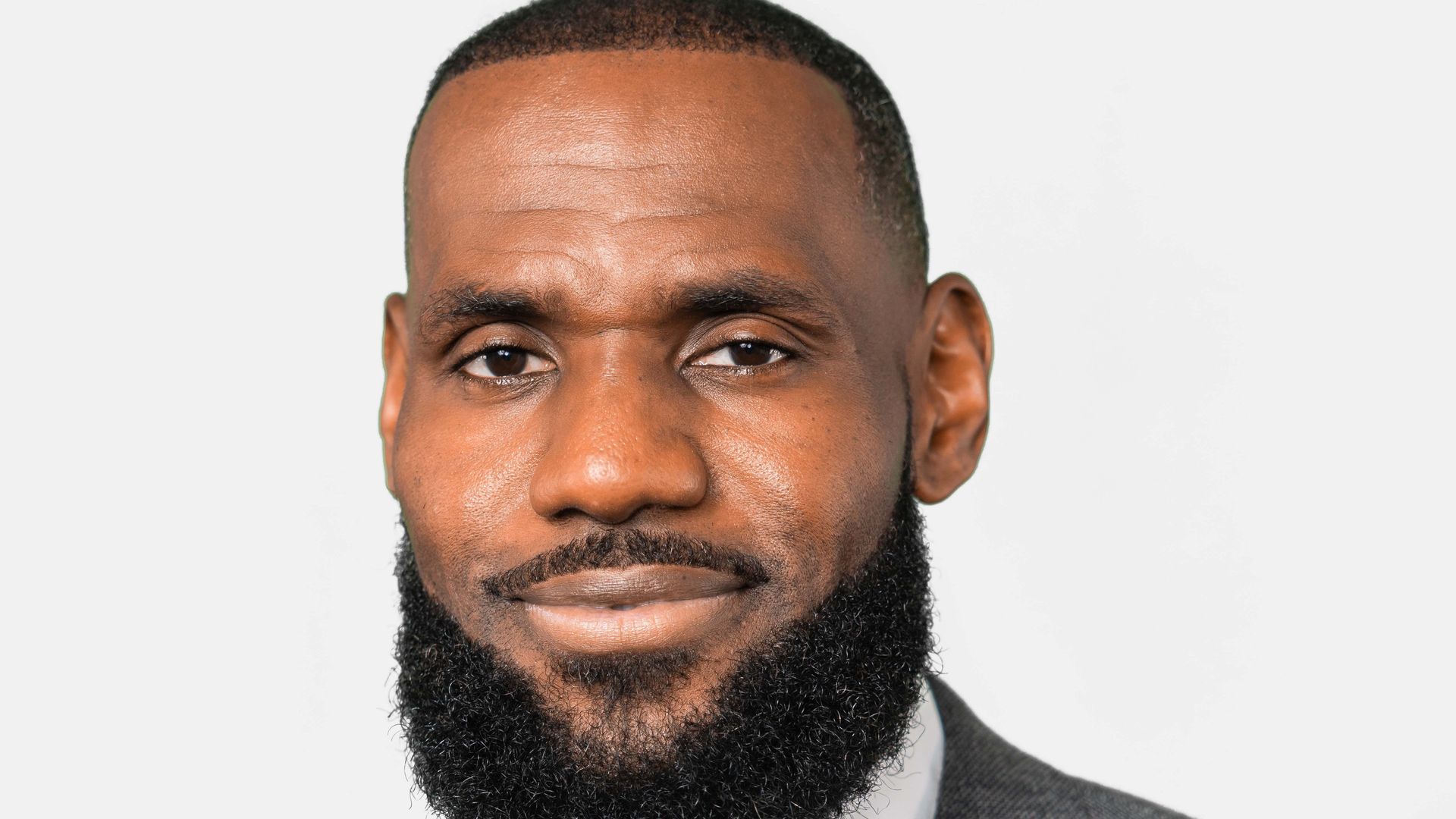
The shift began quietly, when a handful of NBA stars started podcast networks and production companies. LeBron James built SpringHill Company. Tom Brady launched his own production house. Serena Williams built a venture capital firm alongside her personal brand. By 2026, the model has become standard operating procedure for any athlete with global reach.
The economics are compelling. Athletes with substantial social followings can generate significant revenue through advertising, merchandise and direct brand partnerships while retaining full editorial control. Forbes now tracks athlete media revenue as a distinct category from traditional endorsements.
Athletes no longer wait for broadcast windows. They publish daily, weekly or whenever strategic advantage dictates. The athlete controls the narrative, the schedule and the commercial model.
The Platform Revenue Stack
Modern athlete personal branding platforms operate across multiple revenue streams simultaneously:
- Owned content: YouTube channels, podcasts and subscription newsletters generate advertising revenue and direct fan payments.
- Brand integrations: Athletes negotiate their own sponsorship deals within their content, often commanding higher CPMs than traditional media buys.
- Product lines: Direct-to-consumer merchandise, training programmes and digital products bypass retail middlemen entirely.
- Licensing: Archive footage, quotes and imagery are licensed back to traditional media organisations that once held exclusive rights.
Patrick Mahomes runs a media company that produces content about American football, business and lifestyle. His brand partnerships are woven into the content itself, not bolted on as afterthoughts. The distinction between editorial and commercial has collapsed, replaced by integrated storytelling that audiences accept because the athlete is the draw.
Source: IdeaRocket
How Sports Content Consumption Has Changed
Traditional sports broadcasters once controlled when and how fans consumed content. Match highlights appeared on scheduled programmes. Interviews were gated behind network exclusives. Athletes spoke through carefully managed press conferences.
That model has fractured. Fans now follow athletes across Instagram, TikTok, YouTube and proprietary apps. A behind-the-scenes training video posted at 6am Dubai time reaches millions before breakfast. Post-match analysis comes directly from the athlete, not a studio pundit. Sports content consumption has become continuous, personalised and athlete-led.
BBC Sport and other legacy outlets have adapted by partnering with athlete-owned channels rather than competing against them. The value exchange has inverted: broadcasters now need athletes more than athletes need broadcasters.
The GCC Opportunity
The Gulf region presents unique advantages for athlete media companies. High smartphone penetration, young demographics and multilingual audiences create ideal conditions for digital-first content strategies. Athletes visiting for tournaments increasingly extend their stays to film content, host fan events and build regional followings that persist year-round.
Formula 1 drivers use the Abu Dhabi Grand Prix hospitality weekend to produce vlogs, conduct interviews and engage sponsors in settings that feel authentic rather than staged. The circuit becomes a content studio as much as a racing venue.
For brands seeking to connect with sports audiences, the implications are profound. Traditional stadium signage and broadcast spots now compete with integrated athlete partnerships that offer deeper engagement and better measurement. A 30-second spot during a match reaches passive viewers. A product placement in an athlete’s training vlog reaches an audience that chose to watch.
The Permanence of Personal Equity
Retirement no longer means disappearing from public view. Athletes with established media platforms transition seamlessly from active competition to content creation, commentary and business ventures. Their audience follows them. The personal brand outlasts the playing career by decades.
This permanence changes how athletes approach their careers from the outset. Building a social following becomes as important as building match fitness. Media training now includes video editing, podcast production and platform analytics. The athlete as media company is not a side project but the primary long-term asset.
As sports marketing continues to evolve, brands and agencies must adapt to a landscape where athletes control distribution, own relationships and set commercial terms. The revolution is complete. The question is no longer whether athletes should build media companies, but how quickly traditional sports marketing can catch up.
For organisations seeking to navigate this new terrain, sports sponsorship opportunities in the UAE and GCC increasingly involve partnerships with athlete-led content rather than simple logo placements. The future of sports marketing belongs to those who understand that the athlete is the medium.