

Home Improvement
Basement renovations carry a special advantage. They allow historical homes to be preserved while also expanding the housing supply.
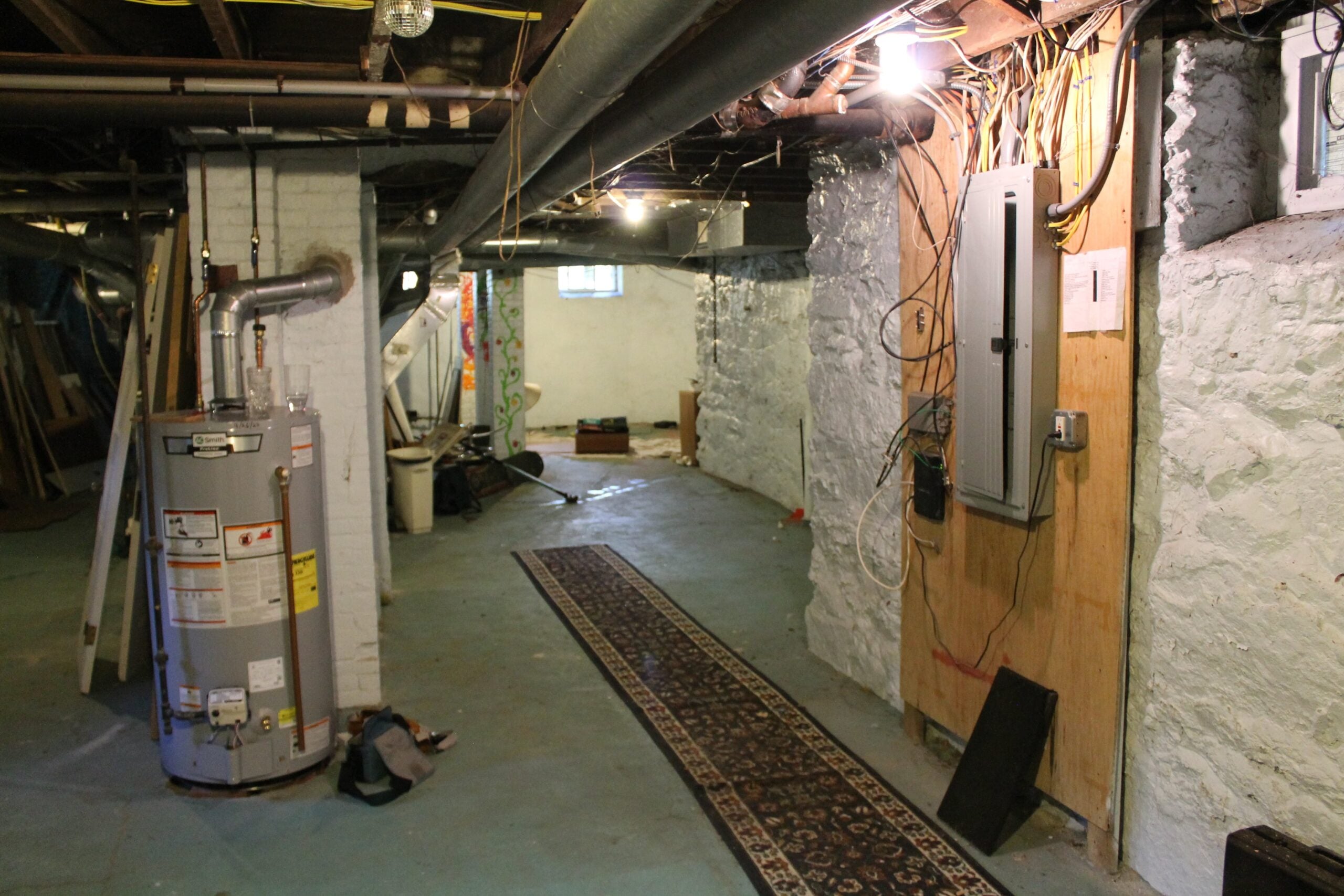
It was dark, musty, and dusty, with low ceilings and rough walls unchanged for more than a century.
Cobwebs and tangles of old wires hung from exposed beams, and some mysterious substance emanated from its depths, suffusing our entire Victorian house with an odor of age, a hint of rot.
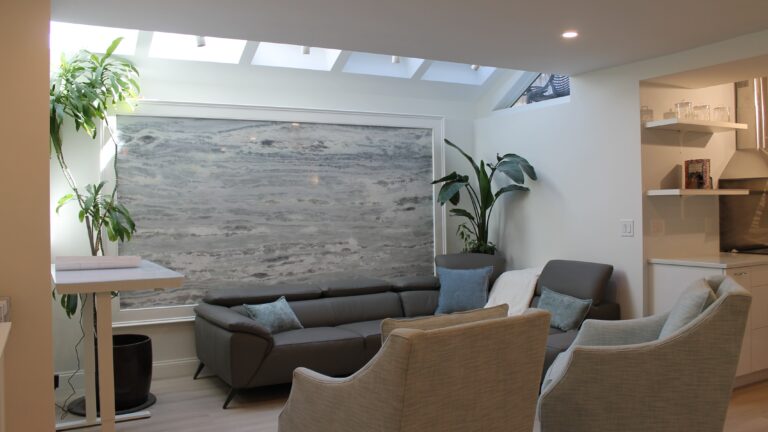
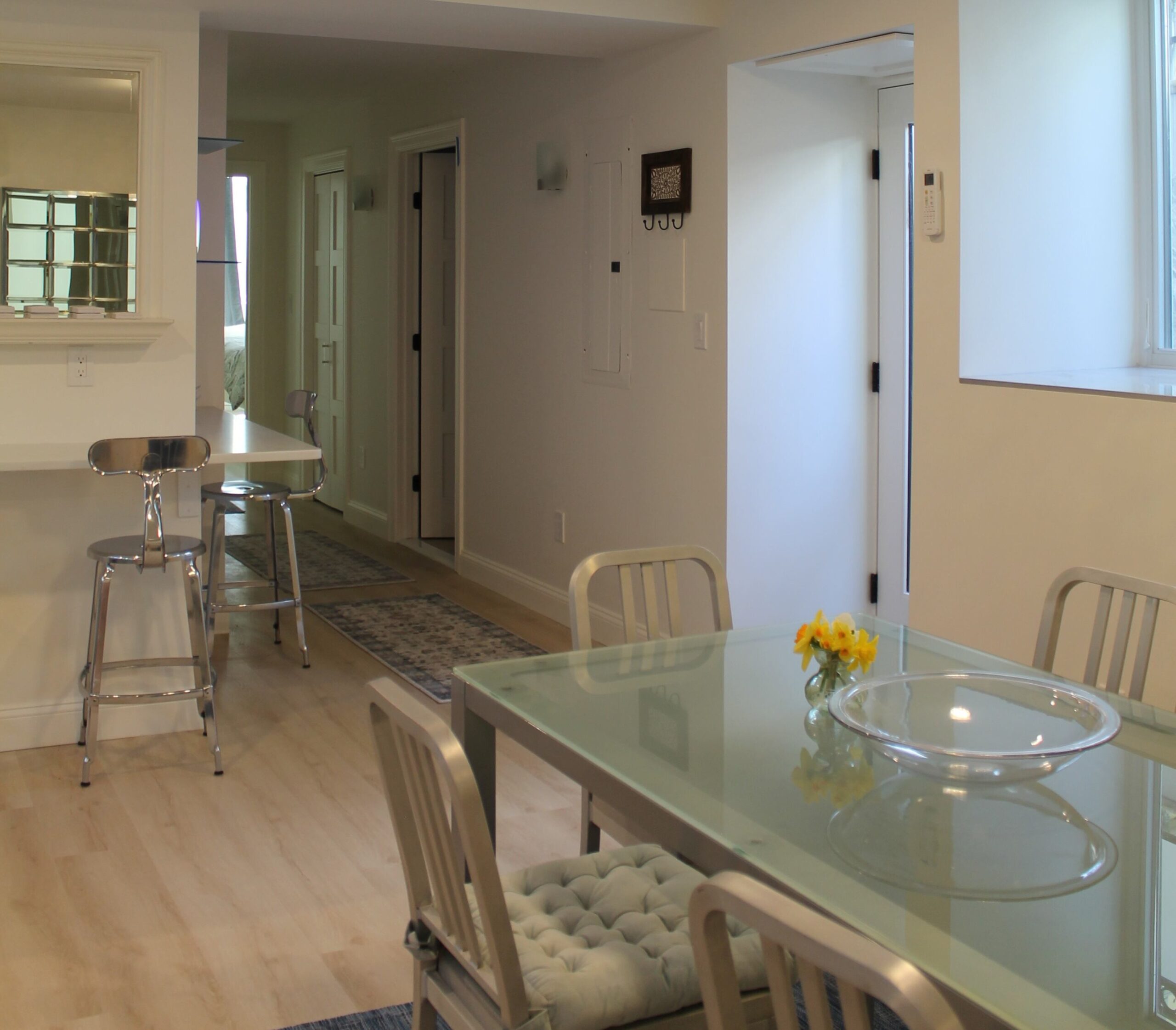
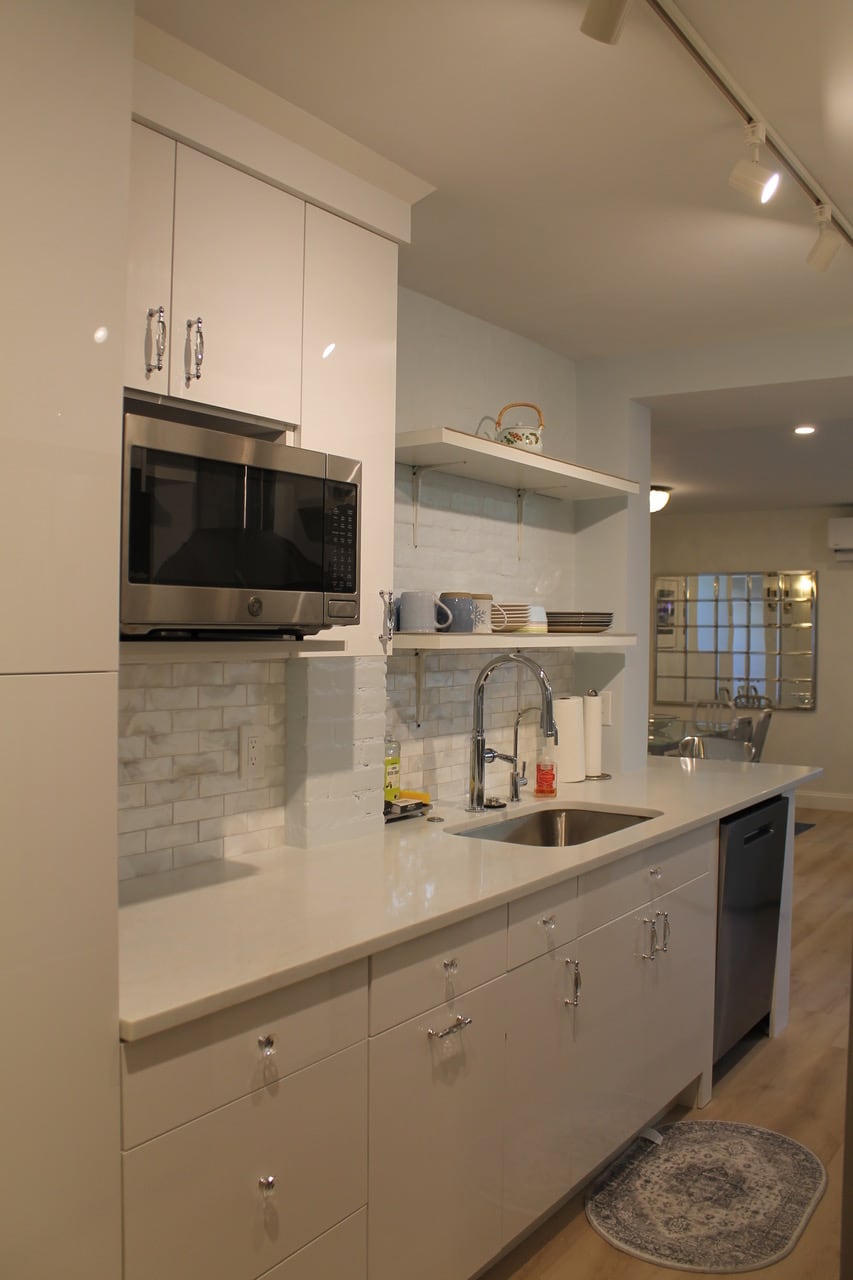
No longer. These days, our family’s formerly nasty basement is a gleaming, modern 1200-square-foot apartment filled with light and (odorless) air, easily rented out for now and available as an age-in-place option for later.
When longtime broker Geoffrey Wells of Harvard Real Estate stopped down for a look recently while out dog-walking, he said, “This is the nicest basement I’ve ever seen in my life!”
Honest — he was just a passerby, not a paid marketer. We didn’t need much marketing: we found wonderful tenants within days of offering up the fully furnished, two-bedroom apartment on a rental site for $4,500 a month.
Overall, our recent basement renovation experience certainly seems to contradict the old wisdom that it makes little financial sense to invest much below ground. In fact, it seems to make quite a bit of sense right now, at least in areas like ours — Coolidge Corner in Brookline — where rents and sale prices remain sky-high.
To be sure, below-ground space still carries stigma, and it routinely goes for significantly less than higher floors. But the housing shortage and the huge increase in property values have changed the basement-renovation equation, said Michael Kim of MKA Architecture LLC, which designed our project.
His take: “If extra space on existing real estate can be converted into first-quality space, the value of new living space now vastly exceeds the cost of its construction.”
Our basement conversion could likely be “replicated by the hundreds in Brookline alone,” and elsewhere, said Kim, whose firm has designed several similar projects. “It does require some extra thought and care,” he added, “which has always been in short supply.”
Why renovate your basement?
But basement renovations also carry a special advantage, he argues. They allow historical homes to be preserved while also expanding the housing supply.
Density can be added “without sacrificing the urban fabric that is so valued by the community,” he said — a feat not usually achieved with a tear-down and new building.
One more social benefit: no market-rate apartment in our neighborhood can possibly be considered “affordable.” The median condo price in Coolidge Corner topped $1.2 million this year, according to Newton-based Centre Realty Group. But below-grade spaces can at least be a bit less unaffordable.
“They often are really good options for you if you want more square footage or a neighborhood you might not otherwise be able to afford,” said agent Fran Hoy of Coldwell Banker, whose colleagues nicknamed her “the queen of basements” because she has sold several in recent years.
“And they’re often as bright as any above-grade unit,” she said, despite the stereotype that all below-grade spaces are inevitably dark and depressing.
For me, the decision to renovate the basement stemmed from the conviction that in our astronomically priced neighborhood, it made no sense to leave 1,200 square feet to molder vacant — even below ground. Added inspiration came from a friend who bought a nearby duplex consisting of a main floor and a finished basement that was as elegant and bright as any above-ground space — and priced accordingly.
“Don’t call it a basement,” she corrected me. “That connotes hot-water tanks and mold. Call it ‘the lower level.’”
Such duplexes have been proliferating in parts of Brookline and beyond for the last dozen years or so, Hoy said. Developers convert big single-family houses into two units: the first floor and basement, often priced at about $2 million; and the two upper floors, which lately can reach $3 million or more.
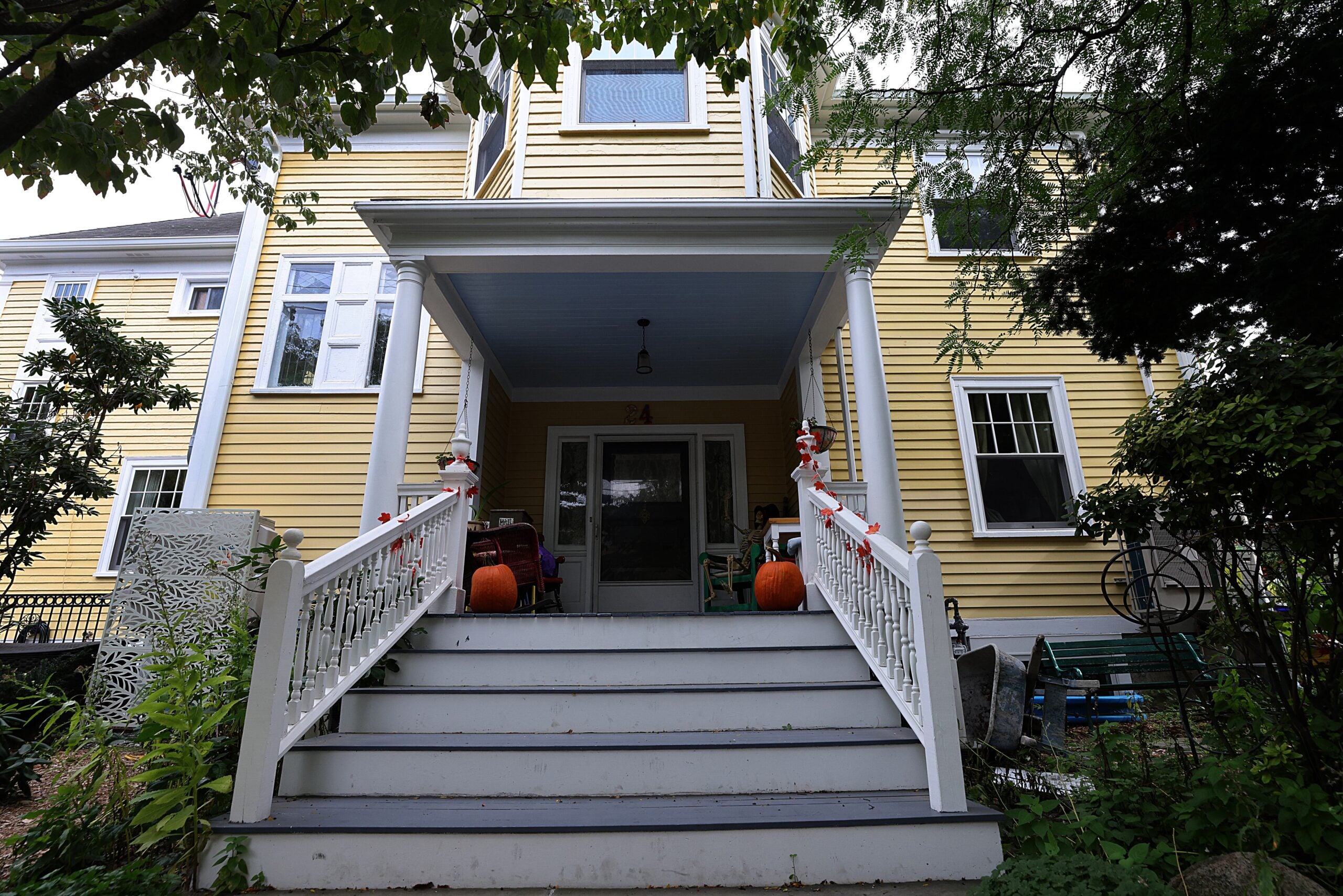
Another factor in our renovation decision was that a central stairwell meant our 1895 house couldn’t be easily split into smaller units. The basement, on the other hand, was just sitting there.
The challenges of renovation
Sitting there, sure, but no easy job for our general contractor, Marcos Coelho of Mega Construction Services, even though he has managed dozens of old-house renovations.
Challenge after challenge in a project like our basement involves finding ways to impose a new order on an old house never made for it. Nineteenth-century builders just never intended for basements to be used as living space. “It never crossed their minds,” he said.
So, Coelho has become well-versed in the solutions.
Ceiling too low? Dig down a couple of feet (not cheap) and add new walls to shore up the foundation.
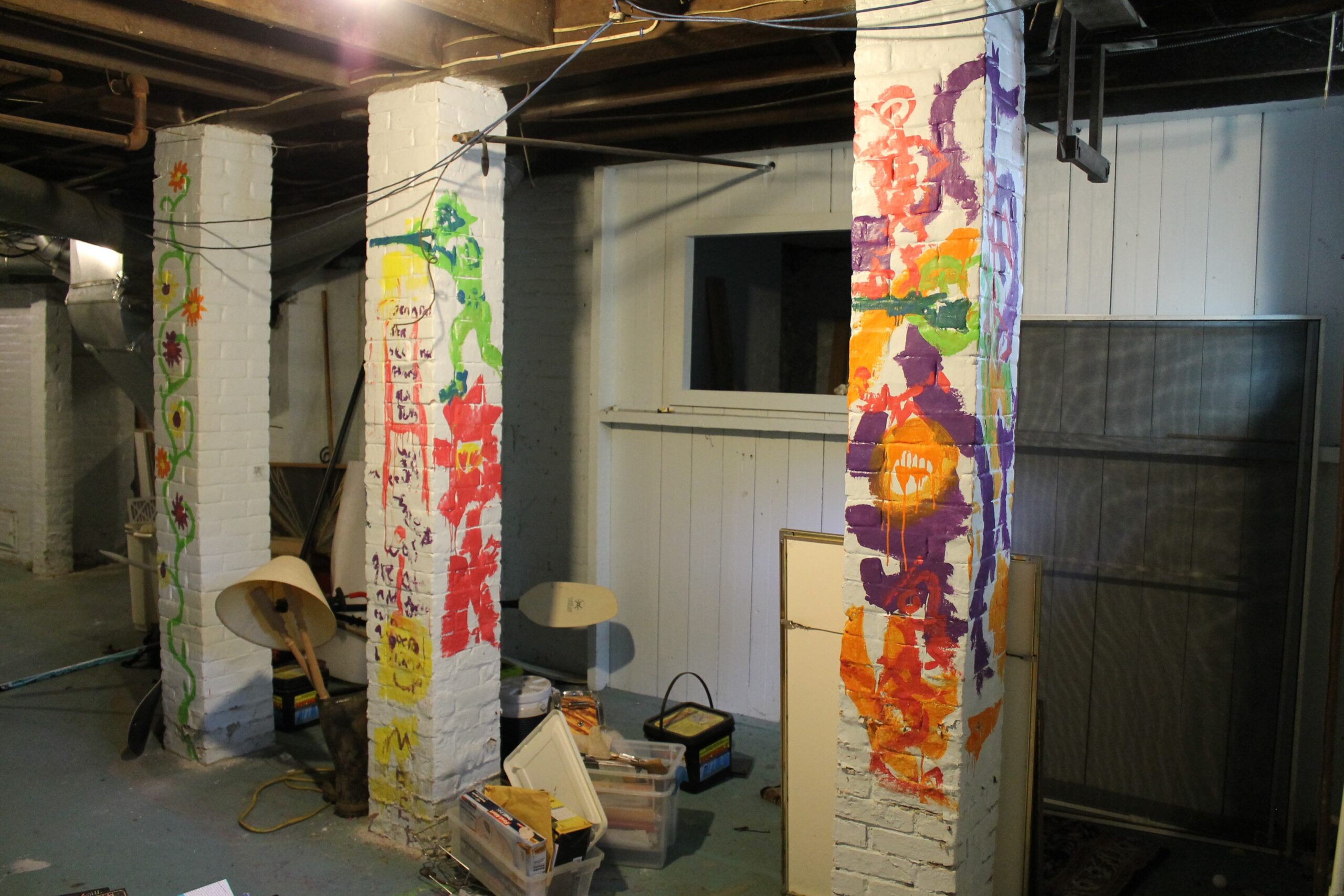
Brick pillars cluttering up the space? Carefully tear them out and, with a structural engineer’s help, install new steel beams to support the house. (One of those moments when you really, really want contractors who know what they’re doing.)
Plumbing posed particular challenges. Hundreds of feet of new pipe had to be installed, both for the basement and the main house, but there was no room to drop the basement ceiling to hide it. That meant a great many pipe contortions and extra fittings for Jeff Snow of Somerville Plumbing and Heating.
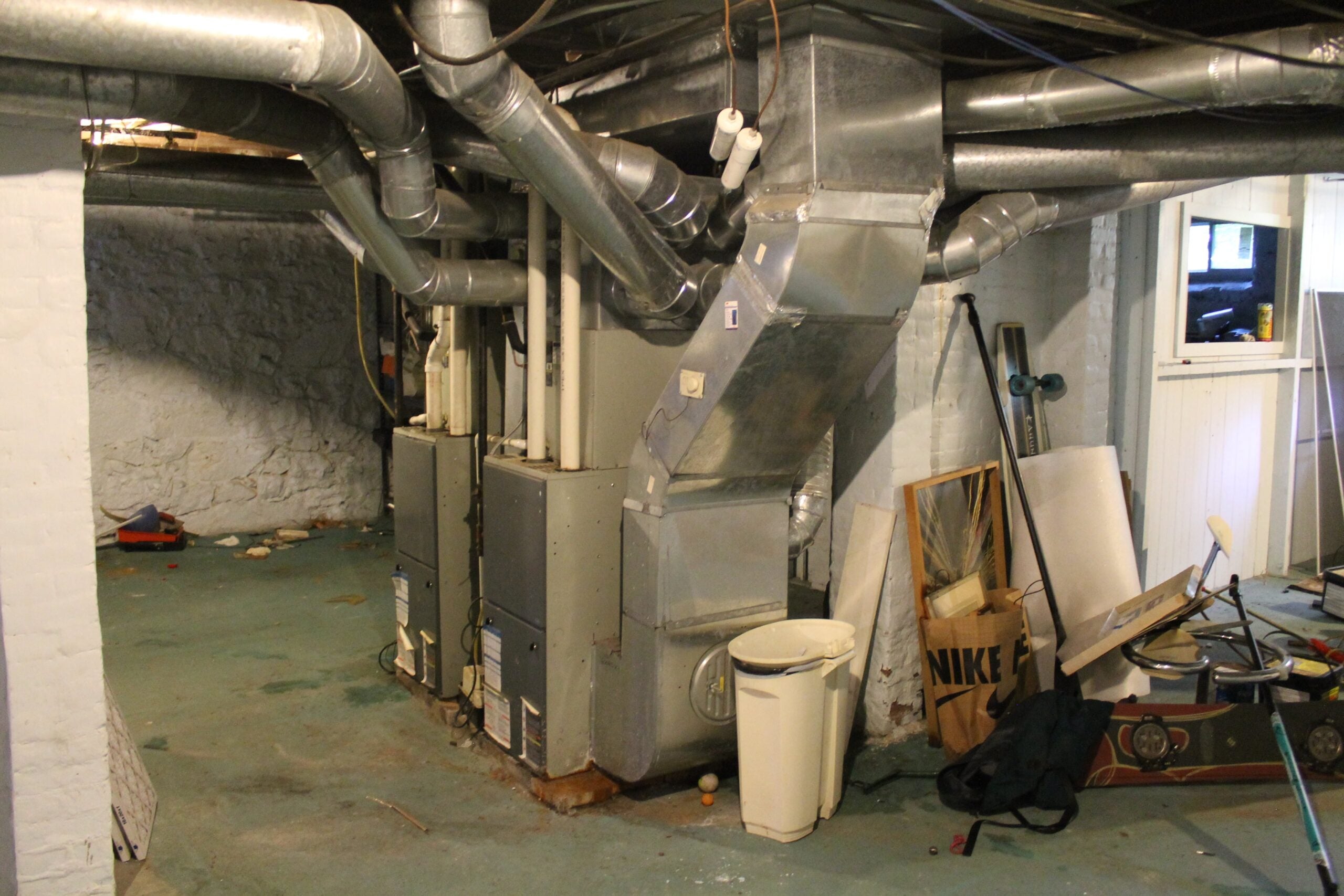
“A renovation is 20 times harder than a brand-new construction job because you have to deal with a lot of things that are existing,” Snow said. For example, “you have two giant chimneys throughout the basement, and you have to find a way around them.”
The most important challenge, of course, was light. How could we bring as much natural light as possible below ground?
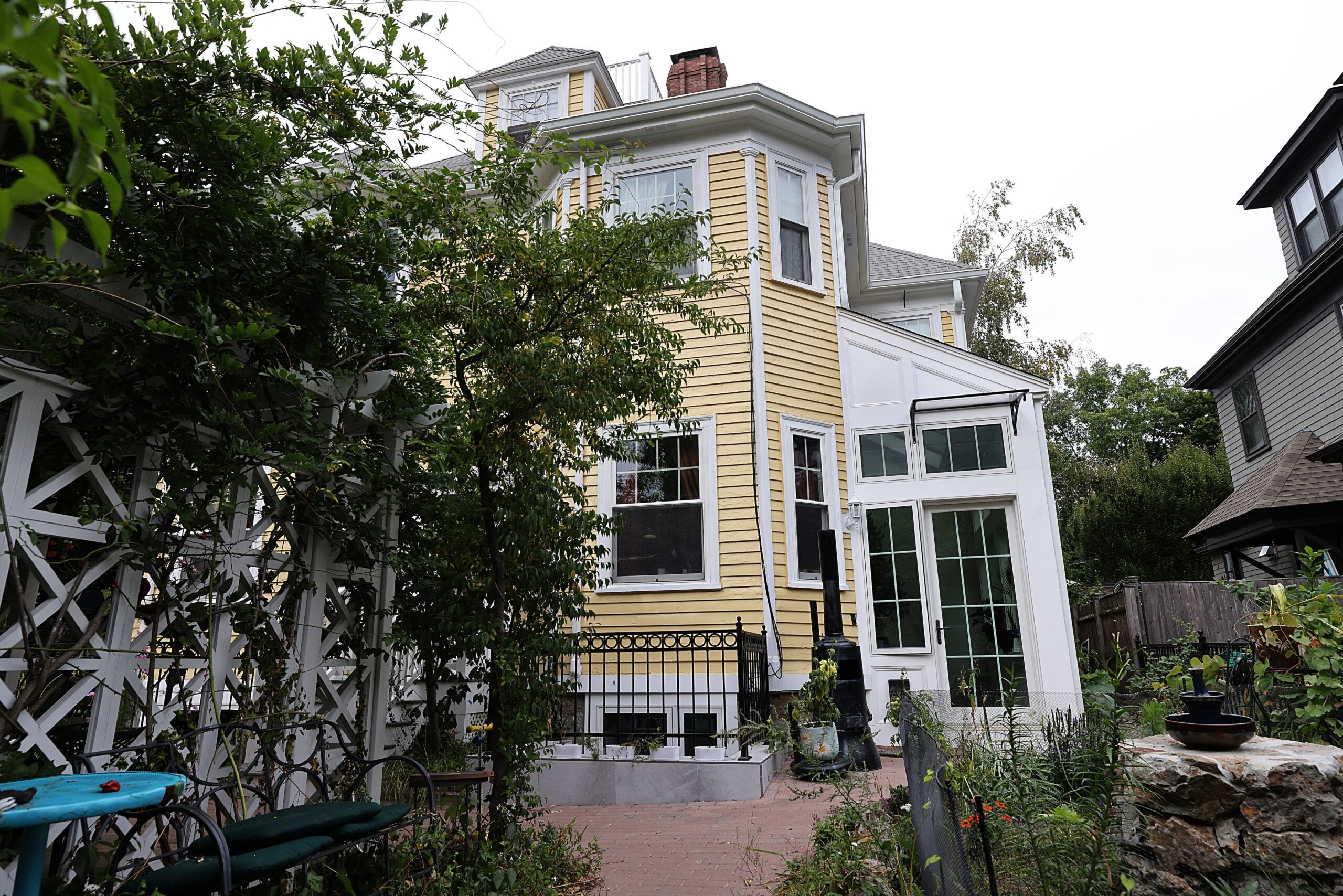
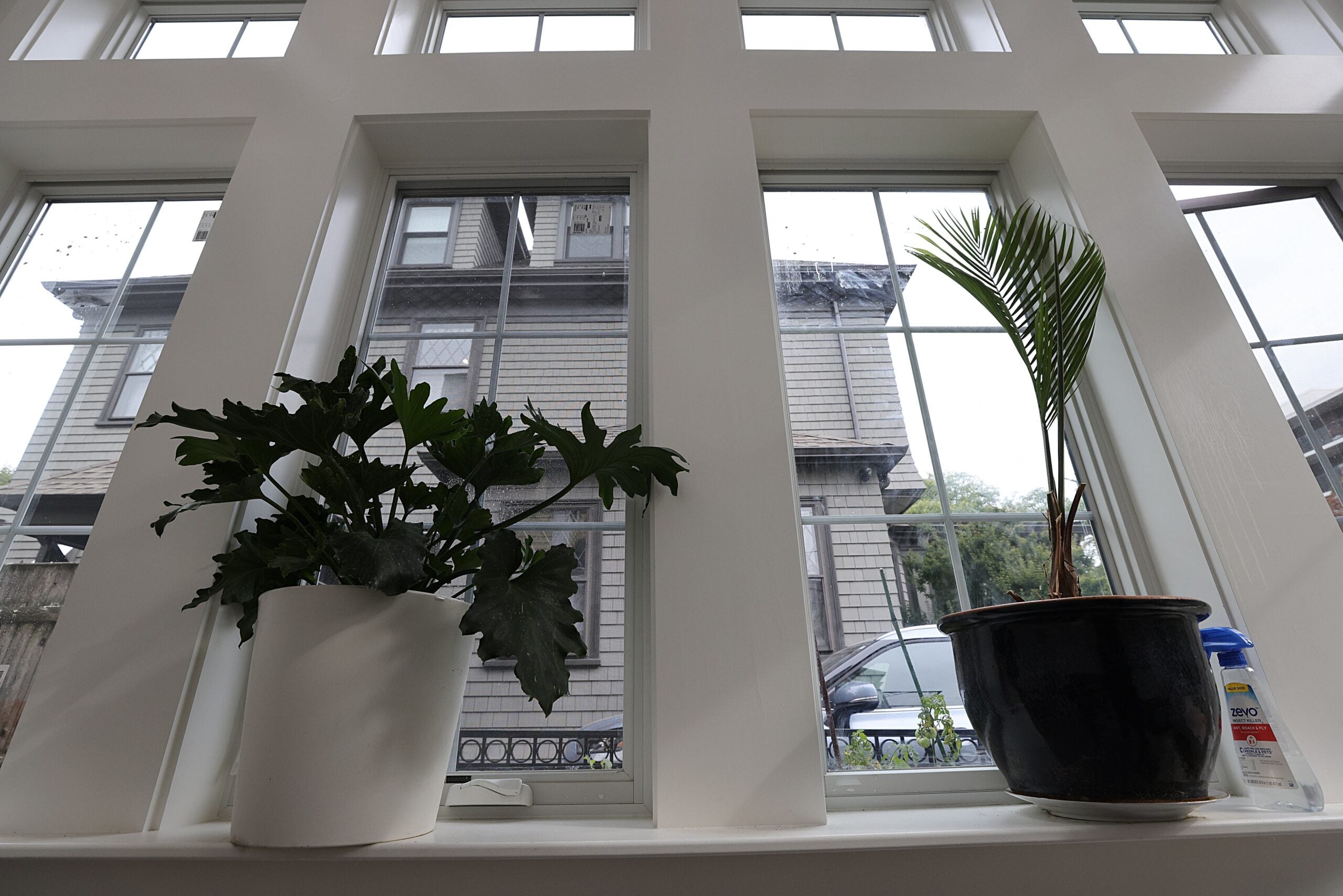
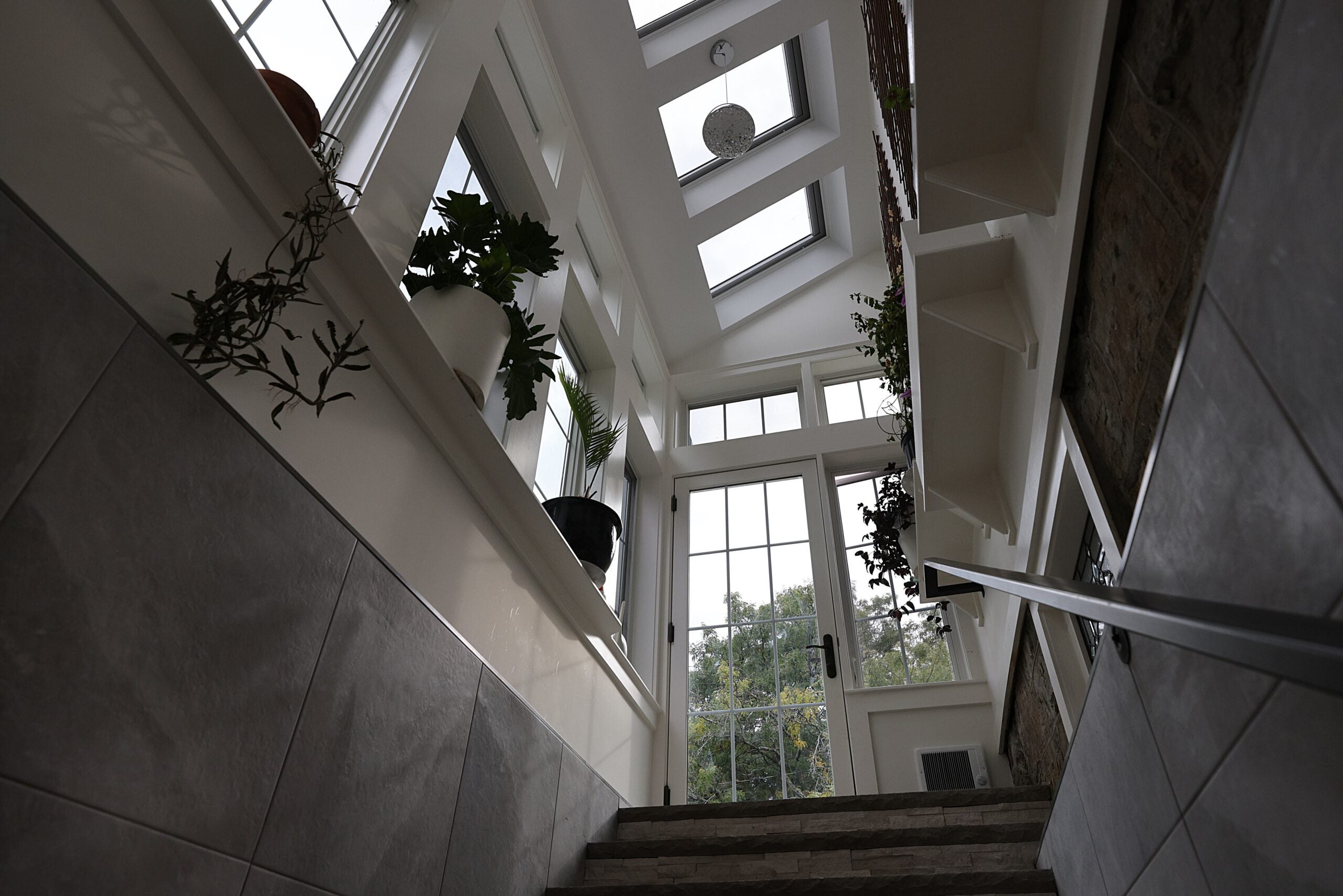
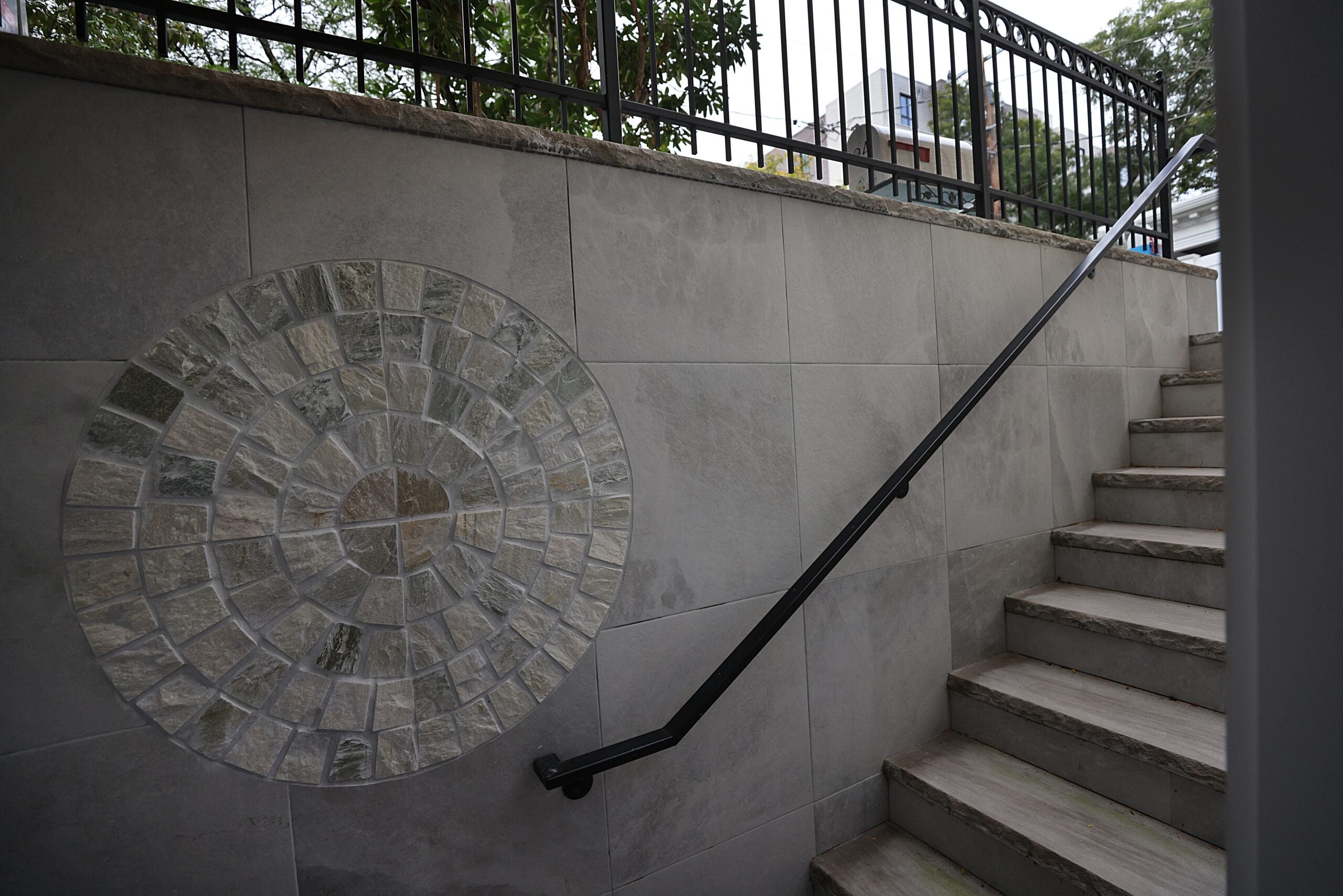
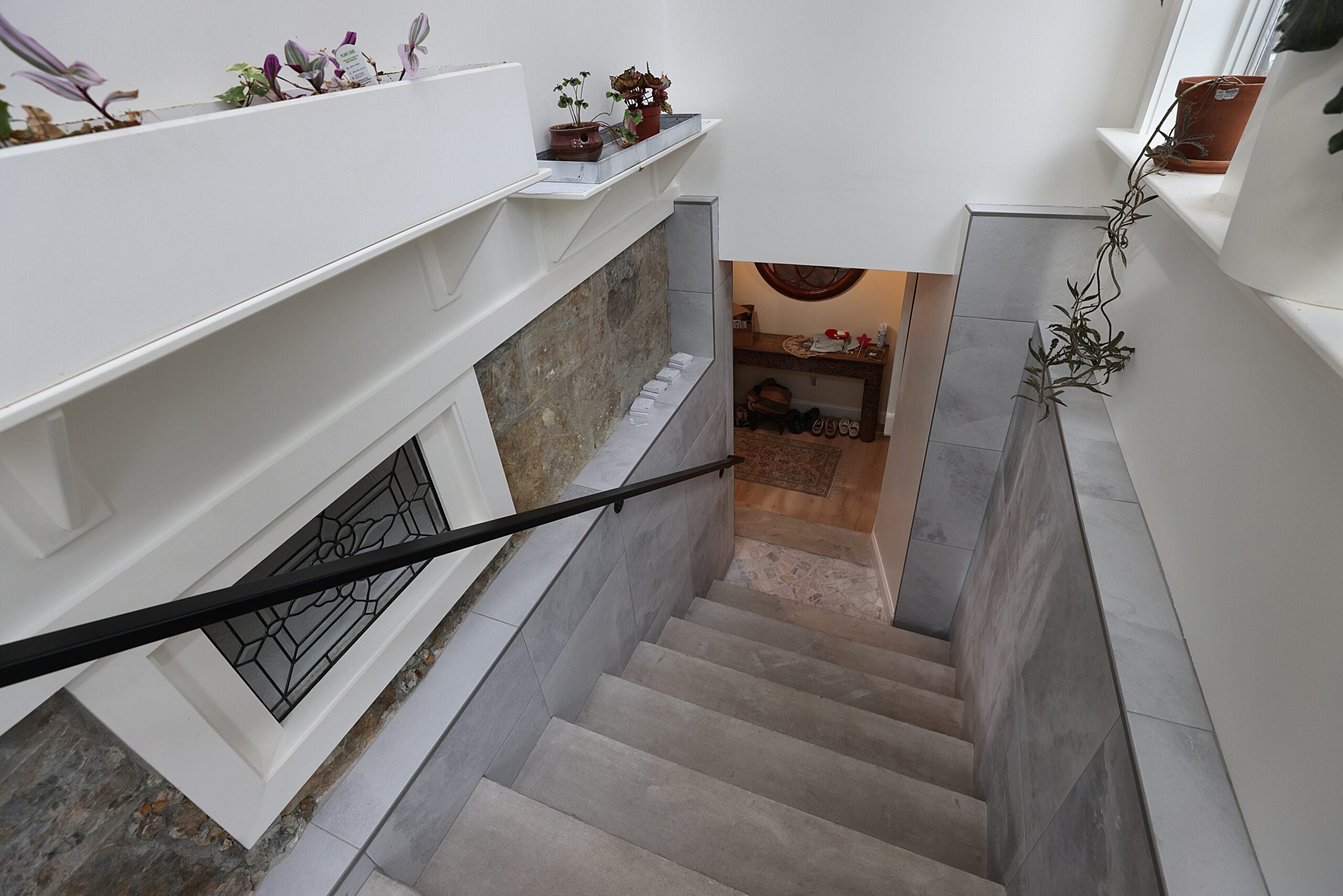
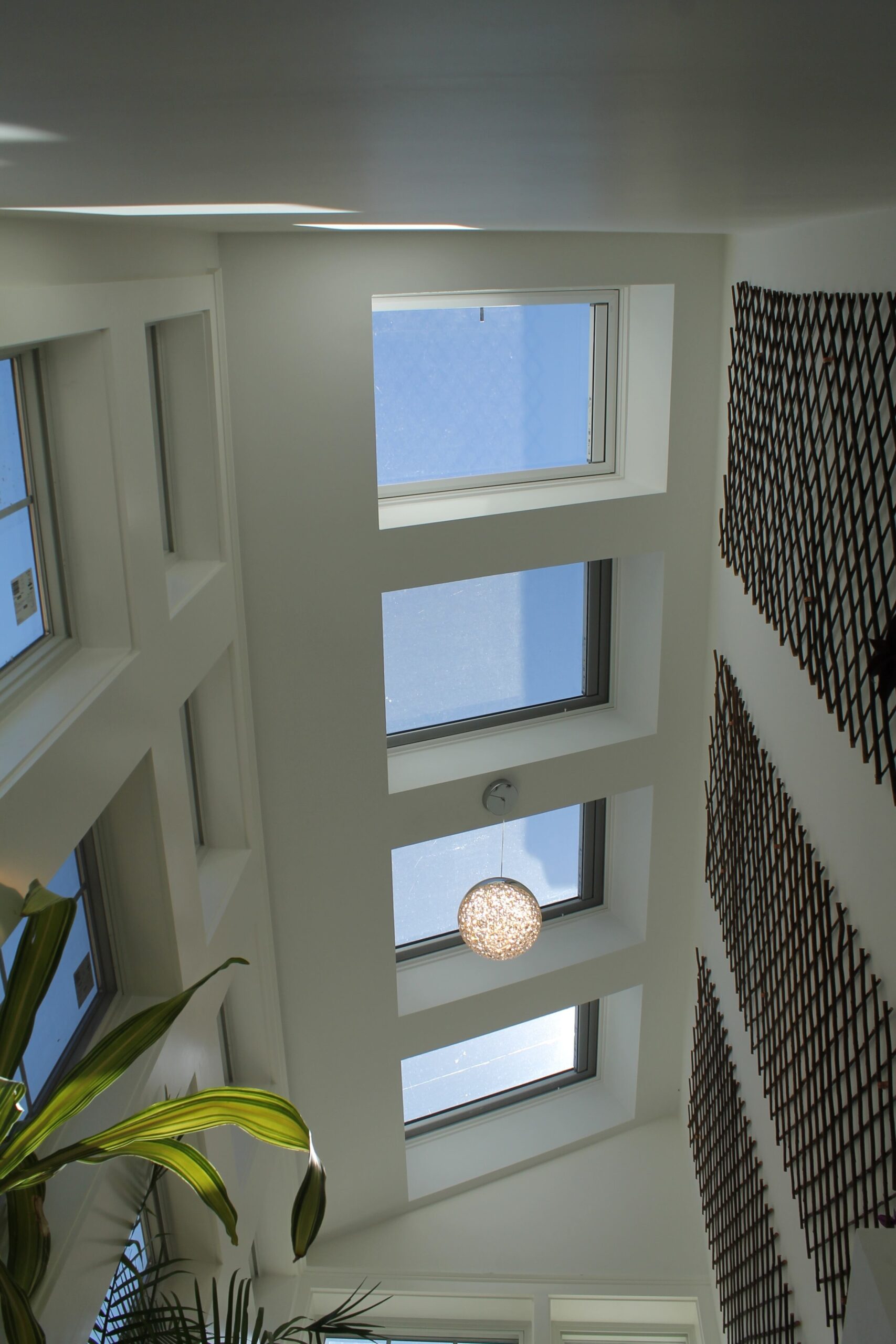
Kim’s team took an “every trick in the book” approach: windows wherever possible, dug-out “light wells” around two big windows, and restoration of a rotting wood-beamed sunroom for use as a glassy entrance. Most dramatic of all, the design called for digging out a roughly 60-square-foot section of the sideyard and installing five south-facing skylights to illuminate the living room.
Over the year-plus that this basement project took, I reaped plenty of non-financial benefits: the pleasure of watching experts successfully perform difficult work, the honor of doing right by this beautiful old house, and the comfort of setting up options for our family’s future.
The numbers
But did it really pay off? Here’s some tentative math.
All told, the renovation cost roughly $700,000. The median price per square foot for a Coolidge Corner condo is reported at $850, so our 1200-square-foot apartment could theoretically be worth just over a million — except that it’s below ground.
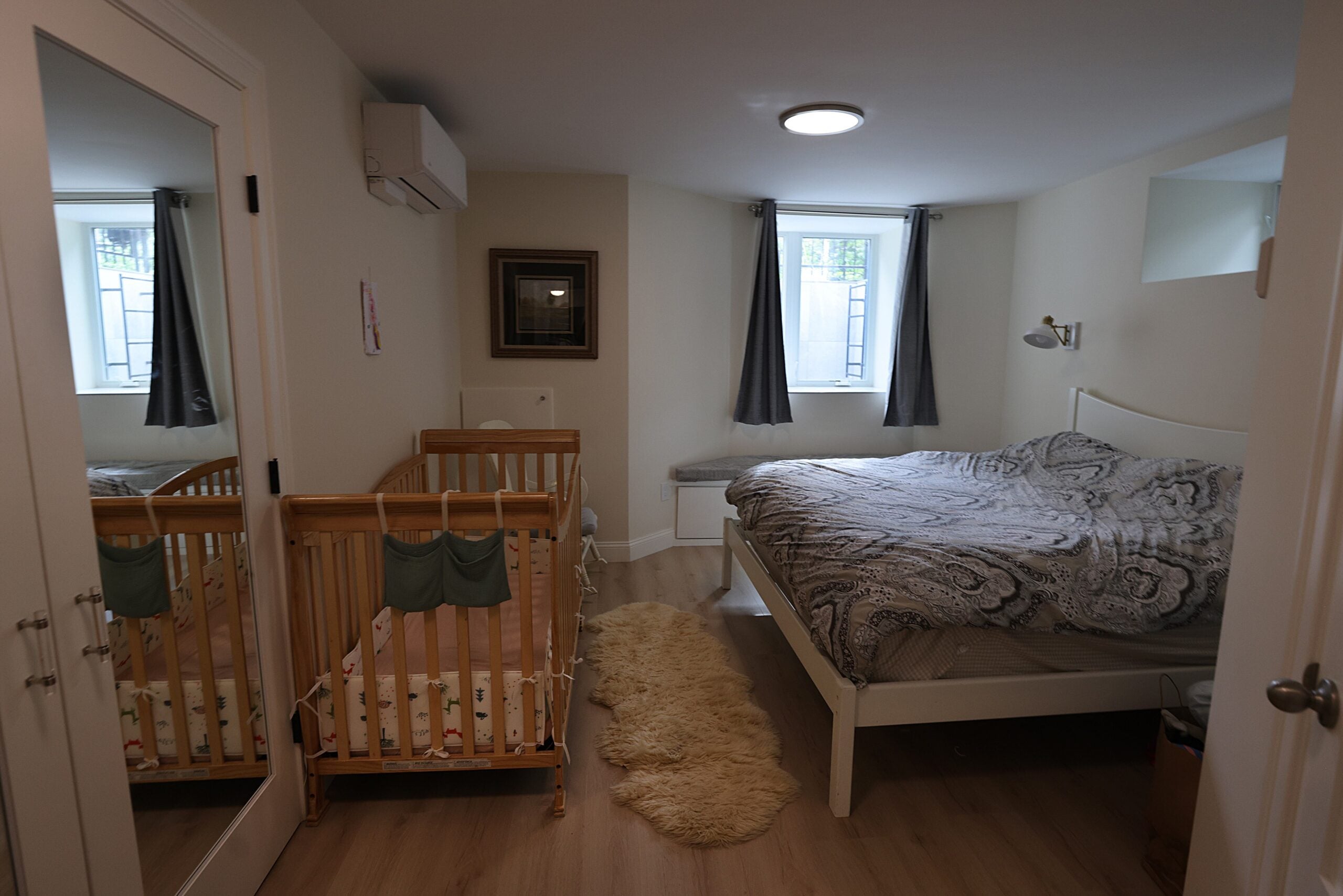
Wells, the broker, estimates that the price penalty for below-grade space is roughly 20 percent. For example, he figures that our $4,500-a-month apartment could fetch a thousand or two more per month if it were higher up.
So, this $700,000 investment likely yielded $800,000 or more in value. The broader lesson, Wells said, is that for the many homeowners who do not have as much to invest or as big a basement, spending much less could still yield an apartment nice enough to generate $2,000 or more in monthly rent.
At the very least, I tell myself, this big basement project isn’t looking like financial folly.
Here’s hoping the rental income will remain reliable. So far so good. A potential tenant came for a viewing the other day and paid the ultimate compliment: “It doesn’t feel like a basement at all!”
Project team
MK Architecture + Design, Brookline
Mega Construction Services, Framingham
Jeff Snow of Somerville Plumbing and Heating
Carey Goldberg, a contributing writer for Globe Ideas, is a former Boston bureau chief for The New York Times and Bloomberg News, and a former health and science reporter for the Globe and WBUR.
Address Newsletter
Our weekly digest on buying, selling, and design, with expert advice and insider neighborhood knowledge.
