In this article
Authentic brand activations have become the dividing line between sponsors that fans embrace and those they scroll past without a second thought. Walk into any major stadium today and you will see the evidence: supporters queuing for interactive brand experiences whilst barely glancing at the static perimeter boards that once defined sports marketing. The old playbook is dead.
The Perimeter Board Problem
For decades, sports sponsorship followed a simple formula. Purchase perimeter space, place your logo, count impressions. The UEFA Champions League pitch-side boards became prime real estate, Formula 1 circuits sold every available surface, and Premier League clubs stacked logos like Tetris blocks. Brands paid millions for visibility.
But visibility is not engagement. The challenge for sponsors is clear: fans are exposed to dozens of brand logos during any given match, yet struggle to recall more than a handful afterwards. The human brain filters out visual noise, and generic logo placement has become exactly that: noise.
This represents a fundamental shift in how supporters consume sports marketing.
What Authentic Brand Activations Actually Look Like
The brands winning fan loyalty today understand a fundamental truth: supporters do not attend matches to see advertisements. They come for the sport, the atmosphere, the tribal connection. Smart sponsors enhance that experience rather than interrupting it.
Consider the evolution of Formula 1 sponsorship. Rather than simply plastering logos around circuits, leading brands now create experiences that give fans access to elements of the sport previously reserved for insiders. The focus has shifted from interruption to integration.
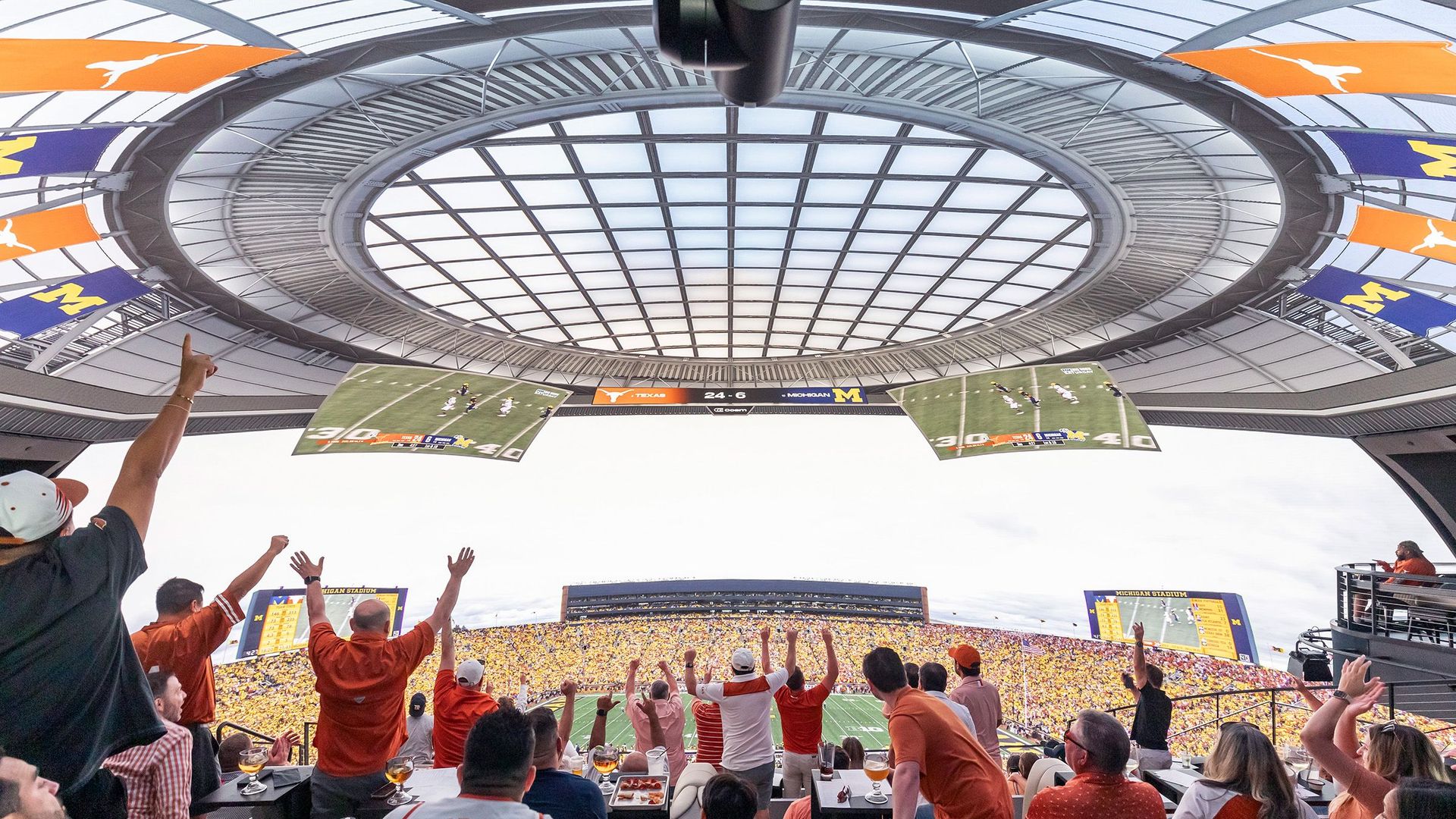
Major stadium partnerships have similarly evolved beyond shirt sponsorship to create comprehensive matchday ecosystems, integrating brands into the very fabric of supporter culture. These partnerships do not just buy visibility; they build belonging.
Source: Bluewater Technologies
The GCC market has become a testing ground for innovative sports sponsorship strategy precisely because audiences here expect premium experiences. The F1 Abu Dhabi Grand Prix sets the standard globally for integrated brand activations that feel like natural extensions of the event rather than commercial intrusions.
Leading airline partnerships with major football clubs demonstrate this evolution. Modern sponsorship agreements increasingly include:
- Integrated travel experiences that combine flights with matchday hospitality
- Behind-the-scenes content that connects brand identity with club culture
- Community partnerships that extend beyond the stadium
- Cross-market activations that bring international supporters to new destinations
This is not logo slapping. This is strategic integration that creates genuine value for supporters.
Matchday Fan Engagement Drives Commercial Returns
The business case for authentic activations is compelling. Sponsors are increasingly recognising that experiential marketing approaches may deliver different returns compared to passive exposure strategies.
For corporate decision-makers evaluating corporate hospitality and sponsorship investments, this represents a fundamental shift in how ROI should be measured. Impressions matter less than interactions. Visibility matters less than value.
The challenge for brands is to create activations that supporters genuinely want to engage with, rather than marketing messages they feel obliged to tolerate.
What Fans Actually Respect
Supporters have become sophisticated consumers of sports marketing. They recognise and reward brands that demonstrate genuine understanding of the sport and its culture. They punish those that treat sponsorship as a pure media buy.
Authentic brand activations share common characteristics:
- Cultural fluency: the brand understands the sport’s traditions and respects them
- Fan-first design: activations solve real supporter needs or enhance genuine moments
- Long-term commitment: partnerships that evolve over seasons, not campaigns
- Two-way value: fans receive tangible benefits, not just marketing messages
- Platform integration: experiences that work across physical and digital touchpoints
The Emirates Dubai 7s demonstrates this approach at scale, with sponsors creating festival-style activations that have become as integral to the event as the rugby itself.
For brands entering sports partnerships today, the strategic imperative is clear. Budget allocation must shift from buying space to creating experience. Marketing teams need to think like event producers, not media buyers.
This requires different expertise, different metrics and different relationships with rights holders. It also requires patience: authentic brand activations build equity over time rather than delivering immediate impression volume.
The commercial opportunity justifies the investment. In a landscape where fans hold unprecedented power to ignore, skip or block advertising, the brands that earn attention through value rather than demanding it through volume will define the next generation of sports marketing.
The death of logo slapping is not a loss. It is an opportunity for sponsors willing to do the harder, more creative work of genuinely connecting with the supporters who make sport matter. Those connections, built through authentic experiences and mutual respect, create commercial value that no perimeter board ever could.