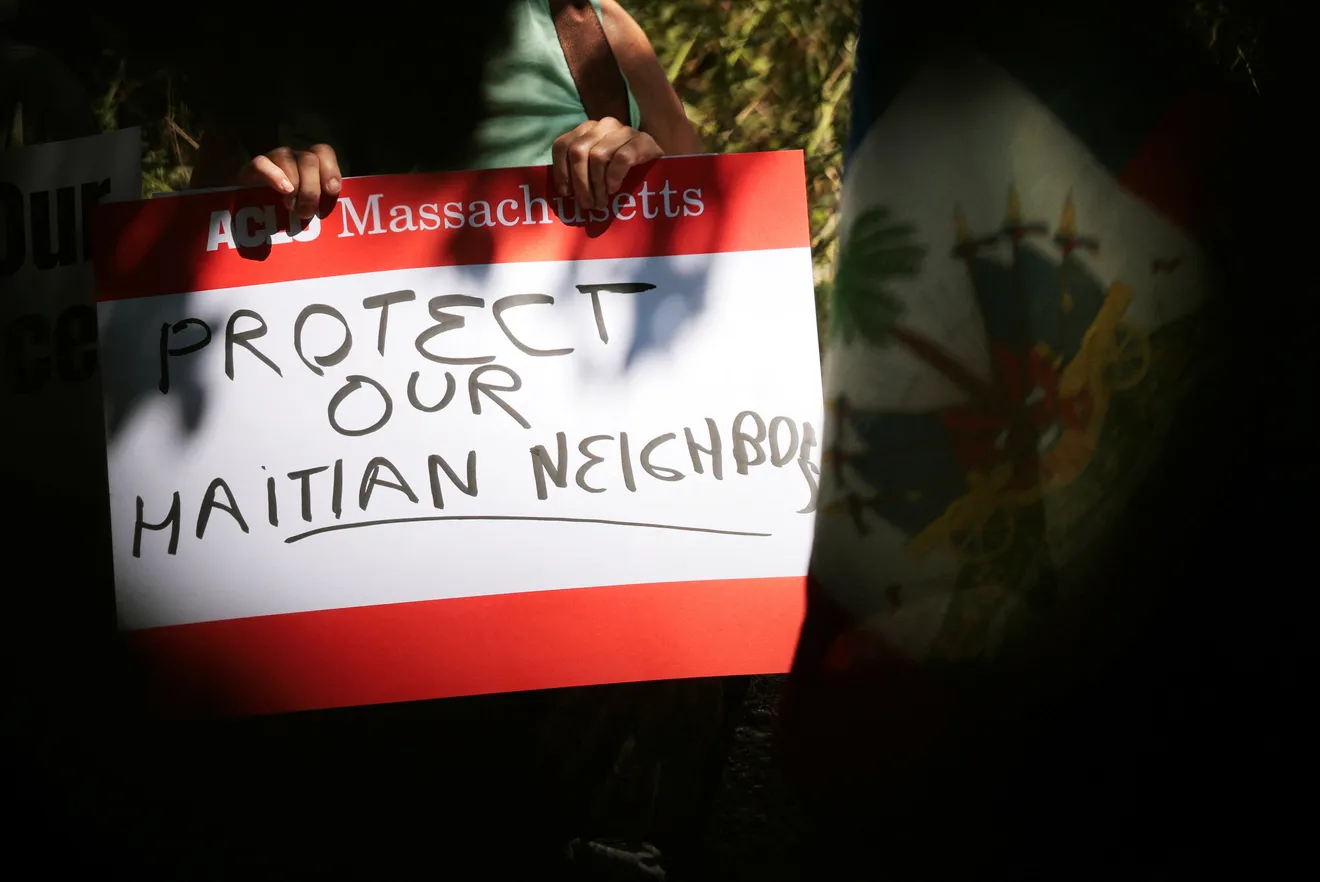
As the end of Temporary Protected Status (TPS) creates uncertainty for Haitians living in the United States, Canada is becoming another option for some people looking for a way forward.
Quebec, with its French-speaking communities, is drawing particular attention among Haitians considering Canada. But getting there and successfully seeking protection is far from simple.
Canada’s asylum system has already seen a significant increase in Haitian claims. According to Canada’s Immigration and Refugee Board, 29,400 Haitian asylum claims were pending as of December 31, 2025, making Haiti the second-largest source country in Canada’s asylum inventory. Haiti also had a 71% acceptance rate among claims decided by Canada’s Refugee Protection Division during the 2025–26 fiscal year through the third quarter.
But people considering crossing from the United States need to understand Canada’s border rules.
Under the Canada–U.S. Safe Third Country Agreement, people generally cannot enter Canada from the U.S. at a land border and immediately make a refugee claim unless they qualify for an exception or exemption. The agreement also applies to people who cross between official ports of entry and make a claim within 14 days. Those who don’t qualify for an exception can be returned to the United States.
Canada introduced additional asylum restrictions in 2025. A person who enters Canada irregularly from the U.S. and waits 14 days or more before making a claim may also have that claim found ineligible for referral to the Immigration and Refugee Board, although certain safeguards and exceptions remain.
That means crossing the border without understanding the rules could have serious consequences.
For Haitians who are considering Canada, immigration lawyers and advocates continue to stress the importance of understanding legal pathways and eligibility requirements before making a move.
For many Haitian families, the decision is becoming increasingly difficult: stay in the United States while dealing with the loss of TPS, return to a country they may fear is unsafe, or explore another country where the immigration process is also uncertain.
Canada may look like another door, but getting through that door legally is a very different story.