Image courtesy of FunTimes Magazine
Every year on July 26, Liberia comes alive with the colors red, white, and blue.
Children wave flags, families gather for celebrations, and communities reflect on a remarkable chapter in African history. While many nations across the continent commemorate independence in the 1950s and 1960s, Liberia’s story reaches much further back.
In 1847, the country declared itself an independent republic, becoming Africa’s first modern independent republic, more than a century before many African nations gained their freedom from colonial rule. That distinction makes Liberia’s Independence Day a celebration of resilience, identity, and a unique journey that continues to shape the country’s place in African history.
The country was founded by formerly enslaved and free Black people from the United States who returned to West Africa with the hope of building a society where they could live freely and govern themselves. On July 26, 1847, that vision became reality when Liberia officially declared its independence. The young republic immediately needed symbols that reflected its new identity, and few have endured as powerfully as the national flag.
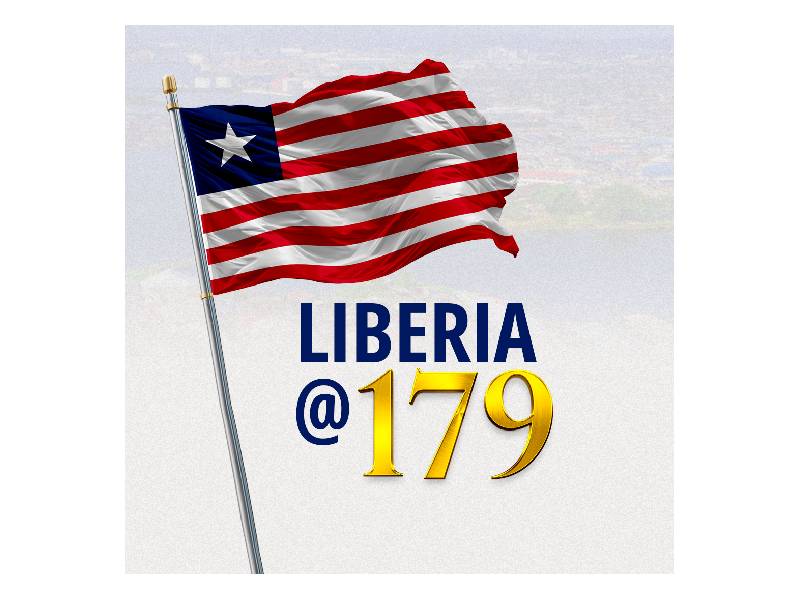
A month after independence, a committee of women led by Susannah Lewis designed the country’s flag. Their work was officially adopted on August 24, 1847, creating one of Africa’s most recognizable national symbols.
At first glance, the Liberian flag resembles that of the United States. The similarity reflects the country’s historical connection to the formerly enslaved and free African Americans who helped establish Liberia. Yet the flag tells a story that is entirely Liberia’s own.
Its 11 alternating red and white stripes honor the eleven men who signed Liberia’s Declaration of Independence. The blue square represents Africa, while the single white star gives the flag its famous nickname, “The Lone Star.” That lone star symbolizes Liberia’s place as the first modern independent republic in Africa. It represents freedom, hope, and the country’s unique role on the continent.
Every year on August 24, Liberians celebrate Flag Day, honoring both the flag itself and the values it represents.
Liberia’s story is also told through its people and places. The country is divided into 15 counties, each contributing its own traditions, history, and cultural identity. Those counties are Bomi, Bong, Gbarpolu, Grand Bassa, Grand Cape Mount, Grand Gedeh, Grand Kru, Lofa, Margibi, Maryland, Montserrado, Nimba, River Cess, River Gee, and Sinoe.
Together, they are home to diverse ethnic communities whose customs, festivals, and ways of life have helped shape modern Liberia.
English serves as Liberia’s official language, but it is only part of the country’s rich linguistic landscape.
Source: Omiren Styles
Across Liberia, more than 20 indigenous languages are spoken, reflecting the nation’s remarkable cultural diversity. Among them are Kpelle, Bassa, Grebo, Gio (Dan), Mano, Kru, Lorma, Gola, Vai, and Kissi. Each language carries generations of oral history, traditions, songs, and customs that continue to strengthen Liberia’s cultural identity. Together, they remind visitors that Liberia is not defined by a single culture, but by many communities whose heritage continues to thrive.
One of the easiest ways to experience Liberia is through its food.
Rice remains the country’s staple and appears in countless meals across households. Popular dishes such as cassava leaves, potato greens, dumboy, and torborgee have become favorites for generations, combining locally grown ingredients with recipes passed down through families. Whether prepared for everyday meals or special celebrations, Liberian cuisine reflects the country’s agricultural traditions and the importance of sharing food with family and community.
For many Liberians celebrating Independence Day, these familiar dishes are just as much a part of the festivities as parades and ceremonies.
Here are some other interesting and memorable facts you should know about Liberia;
- Liberia’s capital, Monrovia, is named after James Monroe, the fifth president of the United States. Monroe supported the efforts that led to the establishment of Liberia as a settlement for formerly enslaved and free Black Americans.
- Liberia is home to the Vai people, creators of the Vai script, one of Africa’s oldest indigenous writing systems still in use today. Developed in the 19th century, it remains a powerful symbol of African literacy and cultural heritage.
- Beyond its history, Liberia is also known for its remarkable natural beauty. Sapo National Park protects one of the largest remaining stretches of primary tropical rainforest in West Africa and provides habitat for endangered wildlife, including the elusive pygmy hippopotamus, chimpanzees and forest elephants.
- Liberia continued making history in 2005 when Ellen Johnson Sirleaf became Africa’s first democratically elected female president. Her election marked another milestone in the country’s long tradition of political firsts.
Collage courtesy of FunTimes Magazine
- For decades, rubber has been one of Liberia’s most important exports. The country is home to one of the world’s largest rubber plantations, established by Firestone in 1926, making rubber production a major part of Liberia’s economy and global trade connections.
- Football occupies a special place in Liberian culture. The country produced one of Africa’s greatest footballers, George Weah, who became the only African to win the FIFA World Player of the Year and the Ballon d’Or before later serving as Liberia’s president.
- FunTimes Magazine also traces its roots back to Monrovia, Liberia, where it was established in 1992.
Beyond remembering a historic declaration signed in 1847, Liberia’s Independence Day is an opportunity to reflect on a nation that carved out its own path long before independence movements swept across Africa. It is also an opportunity to celebrate the people who continue to preserve Liberia’s traditions, languages, cuisine, and cultural heritage.
As the nation marks another year of independence, its history continues to inspire not only Liberians but people across the African diaspora who see in Liberia a powerful reminder of freedom, determination, and self-governance.
Victoria Ezechukwu-Nwagwu is an Associate Editor at FunTimes Magazine with a strong background in media, strategic communications, and editorial leadership. She brings a thoughtful, detail-driven approach to storytelling, content development, and collaboration, ensuring high editorial standards.
She plays a key role in shaping impactful narratives and driving creative innovation across the publication.
Bridget Nzeribe • Content Creator
I’m Bridget Nzeribe, a talented content creator for Funtimes Magazine. I specialise in engaging stories that showcase African culture and traditions. I have a passion for exploring new ideas and connecting with people from all walks of life. I love watching football, listening to music and travelling as well.