How To
John Paul, AAA Northeast’s Car Doctor, hears from a reader who was told their car needs a recalibration after undergoing body work.
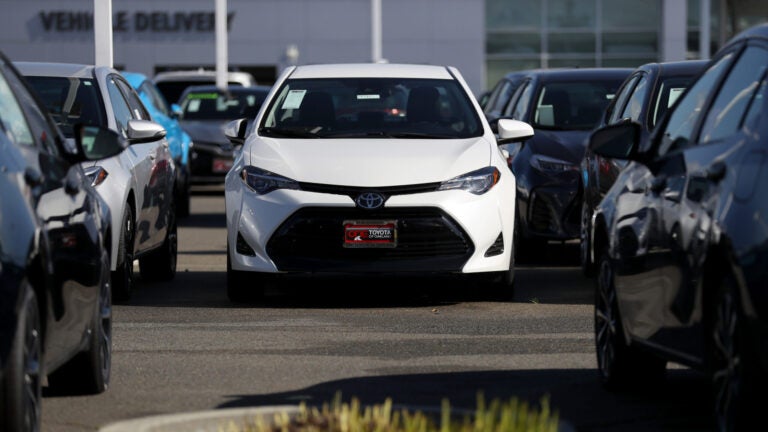
The Car Doctor hears from a reader who was told their car needs a recalibration after undergoing body work. Justin Sullivan/Getty Images
July 23, 2026 | 6:07 PM
4 minutes to read
Q. My car had some body damage which was repaired by a local shop. The body work came out fine, but they told me the car needs to be recalibrated. Is this a dealer-only job?
A. Today’s cars have several systems where calibration is required. This can be when sensors/cameras/radar are disturbed during body repairs. These are part of the advanced driver assistance systems. This includes lane departure, backup warning, and even cruise control settings. Most dealerships can perform the calibrations. Since so many vehicles have these systems, some body shops have invested in the equipment to perform the repairs; others have mobile technicians come in to perform the calibrations. If the repairs were insurance-related, this calibration should have been included in the estimate and not something you would be expected to pay for.
Q. My 2023 Honda CR-V Hybrid Sport is near the end of the factory warranty. With that, is there any way I can get the dealer to see if everything is up to par and that there is no need for any parts or repairs? Other than oil changes and tire rotations, the vehicle has not been back to the dealer. I would be open to spending a few bucks to confirm the car is running well.
A. You could ask the dealer, or any good mechanic, to do a “pre-purchase used car inspection.” Basically, they would take a good, solid look at the car, noting any possible leaks, performing a computer scan, and giving it an overall inspection for wear and tear. Expect to spend about an hour of labor time to have the inspection performed. At the same time, check for any open recalls. Also download the NHTSA app—this way, you can stay informed if there are future recalls. The Honda CR-V has been proven to be a very dependable car.
Q. I heard you on your podcast talking about the Hyundai Santa Cruz. I have never owned a truck, but there are times I would have liked one. Is the Santa Cruz a good vehicle?
A. The Hyundai Santa Cruz is for people who didn’t know they needed a truck until they purchased one. The interior and seating feel like you are in a compact SUV. The cargo bed is small, but ideal for trips to the home improvement store, transporting muddy bikes, and carrying garden supplies. Also nice is that under the bed there is a lockable, watertight storage box. Like all Hyundai products, the warranty is one of the best offered. So yes, the Santa Cruz is a good vehicle.
Q. I have a 2004 Ford Ranger with a starting problem. This starting problem happens only two or three times a year and began about three years ago. After driving the truck – whether a short distance of a couple of miles or longer distances of 25 miles or so – the truck will fail to start after sitting for 30 to 45 minutes. The engine will start but will sputter for a couple of seconds, will not take gas, and then stall. Trying to start the engine again produces the same results. After waiting an hour or two, the engine will start normally, idle normally, and run perfectly. There is no check-engine light, and the weather does not seem to be a factor. My repair shop does not want to just throw parts at the problem, hoping to find the cause. When I had the truck towed to the repair shop, it started up just fine. This truck has the 3.0-liter V6 engine, automatic transmission, and two-wheel drive. The mileage is 61,500, and it is driven only about 1,000 miles a year. The truck is maintained and garaged. Your thoughts will be greatly appreciated.
A. Since this only happens a couple of times a year, this is going to be a hard issue to properly diagnose. That being said, it sounds like you have a good shop working on it. The issue could be a failing fuel pump, sticking idle air control (IAC) valve, a weak ignition component, or a crankshaft/camshaft position sensor. Given that the engine starts and then stalls shortly after, I would also consider the IAC valve, which helps control idle during startup. I would begin by testing fuel pressure and volume during the hot restart condition. It would also be important to check for any heat-related electrical issues, such as a failing relay or sensor that acts up when warm. If I were making an educated guess based on what I have seen, the crankshaft position sensor or IAC valve would be high on the list of possible repairs.
Q. I needed to stop for gas and noticed the pump said E15 with up to 15 percent ethanol. I was a little nervous to use it but I was near empty. Could continued use of this gas hurt my car?
A. Most cars manufactured since 2001 (check your car’s owner’s manual) can use gasoline blended with 15 percent ethanol. Ethanol is also an octane booster, so from what I have seen, the octane rating is 88 rather than 87, which is typical of regular grade. If you are very fastidious about watching your car’s mileage, you may notice a slight – less than two percent – drop in miles per gallon. As an example, if your car gets 25 miles per gallon on traditional 87 octane regular, using E15 would result in about 24.5 miles per gallon.
John Paul is AAA Northeast’s Car Doctor. He has over 40 years of experience in the automotive business and is an ASE-certified master technician. E-mail your Car Doctor question to [email protected]. Listen to the Car Doctor Podcast on Apple Podcasts or other popular podcast sites.
Sign up for the Today newsletter
Get everything you need to know to start your day, delivered right to your inbox every morning.