3 min readUpdated: Jul 21, 2026 05:46 PM IST
The Mumbai Police on Tuesday issued prohibitory orders, restricting movement and unlawful assembly of five or more persons in view of the recent gatherings and protests in parts of the city in support of the Cockroach Janta Party (CJP) movement in Jantar Mantar of New Delhi.
The Mumbai Police filed eight FIRs, booking as many as 900 persons, for demonstrations in solidarity with the Cockroach Janta Party (CJP) campaign over the NEET paper leak.
The restrictions will remain in place across Mumbai from Thursday, July 23, to August 6.
The Mumbai Police order states that based on information received from various sources, it is apprehended that there is “likelihood of breach of peace and disturbance of public tranquility” and “grave danger to human lives and loss of properties”.
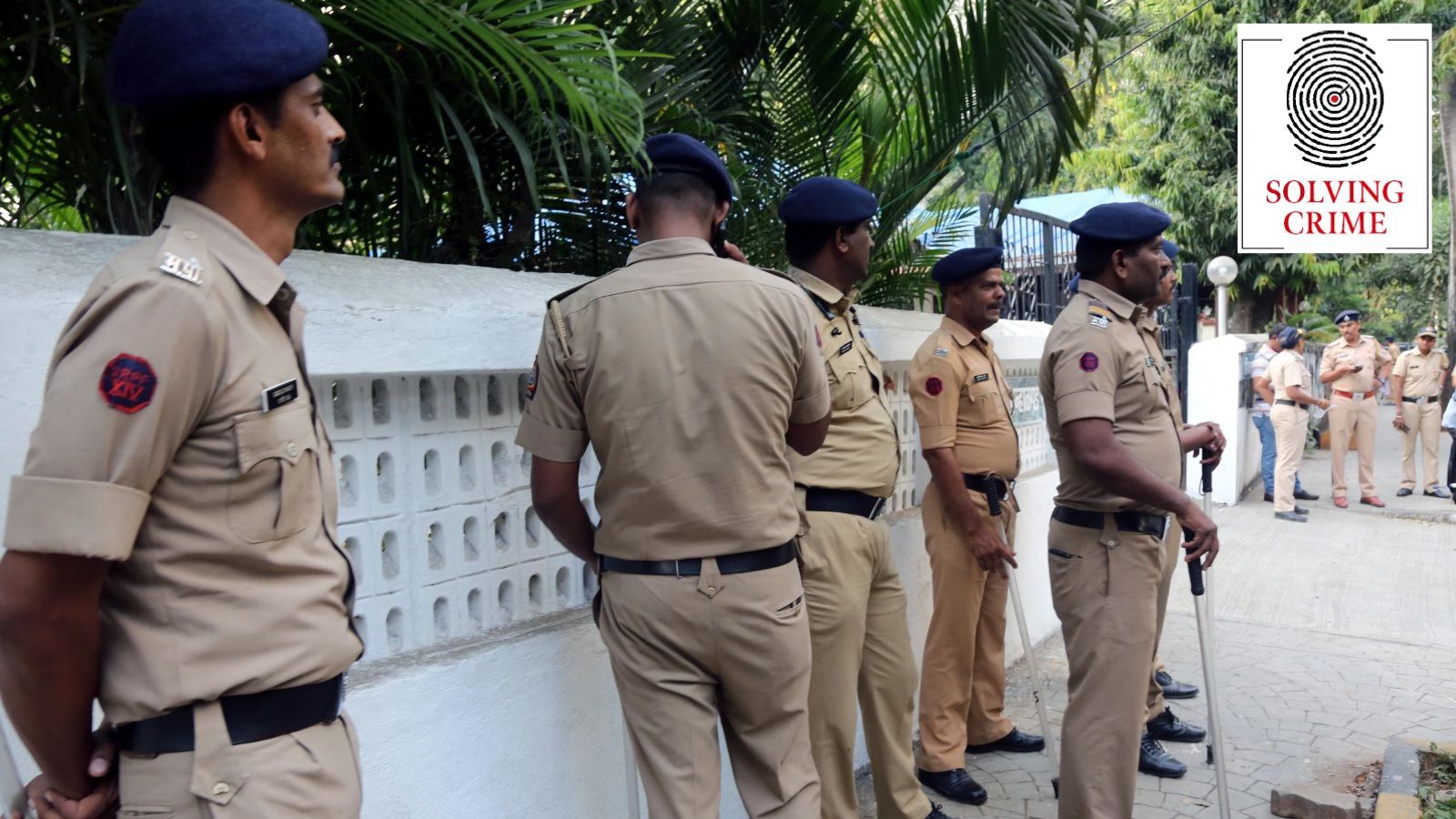
The police presence has also been stepped up across Mumbai to prevent any gatherings and protests.
What Mumbaikars aren’t allowed to do?
From Thursday, after the order comes into effect, these activities won’t be allowed in Mumbai:
- assembly of five or more persons
- use of loudspeakers, amplifying instruments, musical band
- bursting of crackers in any procession
The order was issued under Section 37 of the Maharashtra Police Act, 1951 which gives power to prohibit certain acts to prevent disorder.
Story continues below this ad
Under this, carrying of arms, or any explosives, exhibition of persons, corpses, effigies is banned. It also bars public utterance of cries, singing of songs, playing of music’ and ‘delivery of harangues’ or loud speeches, and ‘the use of gestures of mimetic representations, and the preparation, exhibition or dissemination of pictures, symbols, placards or any other object or thing which may in the opinion of such authority offend against decency or morality or undermine the security of or tend to over-throw the State’
What’s exempted?
It exempts assemblies for the purpose of wedding ceremonies, matrimonial functions, funerals, statutory meetings of clubs, companies, cooperative societies, and cinema halls.
Police permits assemblies around courts, government offices for discharge of duties; schools, colleges for academic activities.
Police powers in case of protests during prohibitory orders
If a protest is held without permission, the police can cite ‘disobedience’ of orders and file an FIR against the protestors under Section 223 of the Bharatiya Nyaya Sanhita (BNS), or 135 of the Maharashtra Police Act, on disobedience of a lawful order, Sections 189 and 190 BNS, on unlawful assembly.
Story continues below this ad
What have courts said about prohibitory orders?
The prohibitory orders have come even as courts have questioned the misuse of such orders as a permanent mechanism to prohibit protests.
While the right to peaceful protest is established as a fundamental right under Article 19 (1), other provisions of the Article permit the state to put reasonable restrictions.
The issuance of prohibitory orders without any emergency came up before the Supreme Court in Mazdoor Kisan Shakti Sanghatan vs Union of Indian, after Central Delhi was put under continuous prohibitory orders.
The court had said that a blanket ban through Section 144 CrPC ‘has the effect of a permanent injunction on the right to hold peaceful protests’.
Expand
Stay updated with the latest – Click here to follow us on Instagram