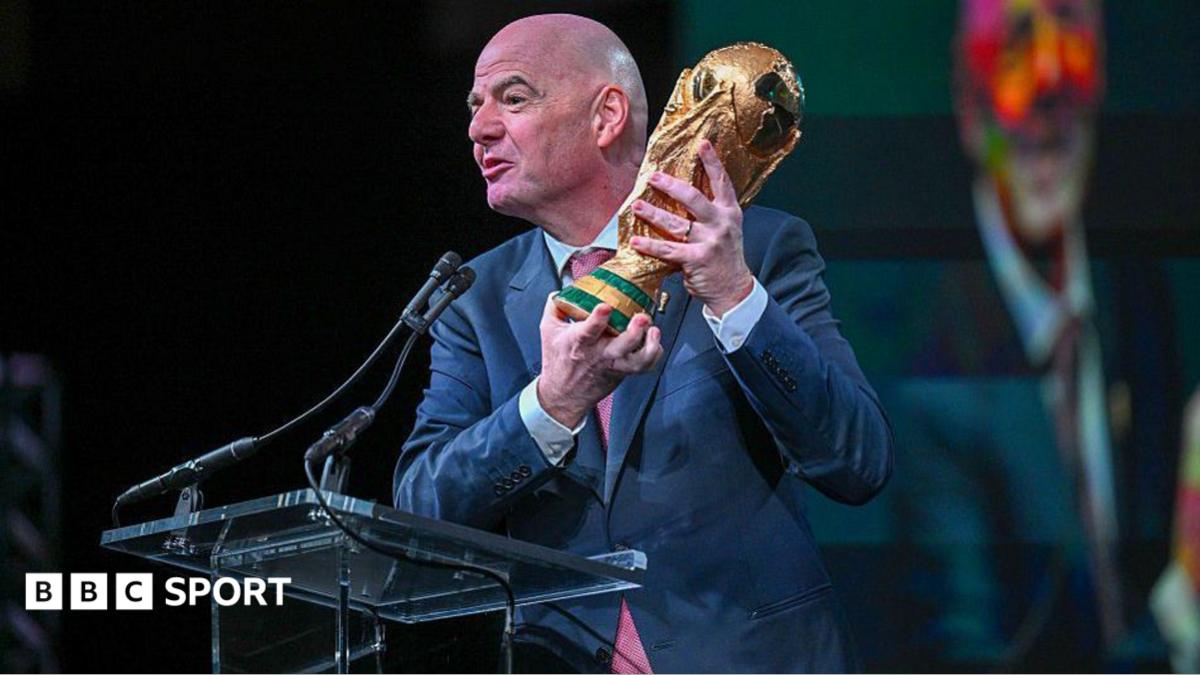
Source: TTYBrand Africa
How World Cup Performances Position African Music as a Global Force
In 2010, the world’s attention turned to South Africa when the FIFA World Cup was staged on the African continent for the first time. Africa rose to the occasion and helped deliver one of the most memorable World Cup anthems in history with “Waka Waka (This Time for Africa),” performed by Colombian singer Shakira and featuring the South African band Freshlyground. The song united fans from across the world while celebrating Africa’s first World Cup.
Although many questioned FIFA’s decision to select Shakira as the song’s lead performer, the tournament’s opening and closing celebrations featured several African artists. Femi Kuti, Yvonne Chaka Chaka, Khaled, 2Face Idibia, Samini, Osibisa and the Soweto Gospel Choir were among the acts that helped bring the ceremonies to life.
Their appearances did more than entertain football fans. They introduced global audiences to the energy, diversity and cultural power of African music while reinforcing the continent’s growing influence within the international entertainment industry.
Twelve years later, in 2022, Davido was featured on the official FIFA World Cup soundtrack in Qatar, joining Trinidad Cardona and Aisha for “Hayya Hayya,” and this year, 2026, African music returned to the center of the World Cup conversation in an even more prominent way. Nigerian superstar Burna Boy joined Shakira on “Dai Dai,” the tournament’s official song. Released in May 2026, the record brought Shakira’s global pop presence together with Burna Boy’s distinctive Afro-fusion sound in a celebration of football, culture and unity. Royalties from the song were also directed toward the FIFA Global Citizen Education Fund, which supports access to education and football opportunities for children.
Burna Boy’s inclusion was significant. An African artist was not merely invited to perform alongside the tournament. He was one of the principal voices behind its official soundtrack. The song quickly demonstrated the commercial power of that partnership. By June 19, FIFA reported that “Dai Dai” had reached No. 10 on Spotify’s global Top 50 chart. The official 2026 World Cup anthem had also generated hundreds of millions of streams, showing how quickly music connected to the tournament could reach listeners across borders.
Source: Instagram/iheartradioca
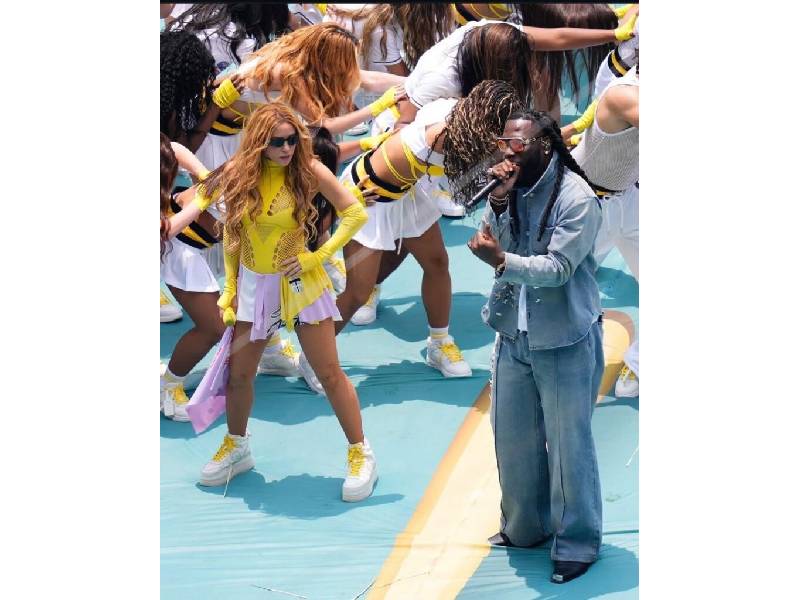
Africa’s presence became even more visible during the World Cup final on July 19.
Burna Boy and Shakira were joined by Uganda’s Triplets Ghetto Kids, whose energetic choreography brought another distinctly African element to the global stage. The young dancers appeared before an enormous international audience alongside some of the world’s most recognizable entertainers.
For the Ghetto Kids, the performance represented more than a major entertainment booking. It showed how African creativity can travel from local communities to the world’s most prominent stages. They first gained international attention through joyful and highly expressive performances that circulated online. Their World Cup appearance demonstrated the expanding power of digital platforms to connect African talent with audiences and opportunities that once seemed unreachable.
Together, Burna Boy and the Ghetto Kids reflected two sides of Africa’s creative rise. One represented the global success of an established African music industry. The other represented the next generation of talent emerging through community, dance and digital culture.
Today, no World Cup experience feels complete without a memorable soundtrack. The appearance of African artists on football’s biggest stage has evolved from a pleasant surprise into an expected and celebrated part of the global spectacle. Each tournament introduces millions of listeners to new artists and sounds, proving that football and music have become two of Africa’s most powerful cultural ambassadors.
What Comes Next
African music appears poised to play an even greater role in future World Cups and other major sporting competitions.
Afrobeats continues to command international attention, while Amapiano has expanded from South African townships into clubs, festivals and popular music across the world. Emerging sounds from East, Central and North Africa are also attracting new audiences.
Future tournaments are likely to feature more African artists during opening ceremonies, halftime entertainment, fan festivals and promotional campaigns. They may also create greater opportunities for dancers, producers, instrumentalists and other professionals within Africa’s creative economy.
The 2026 World Cup offered a powerful indication of what that future could look like.
Okechukwu Nzeribe works with the Onitsha Chamber of Commerce, in Anambra State, Nigeria, and loves unveiling the richness of African cultures. okechukwu.onicima@gmail.com