The nurses who start the IVs, catch a patient slipping before the monitors do, and sit with someone frightened at three in the morning are, by their own account, stretched thin. Incredible Health’s newly released seventh annual State of Nursing report puts hard numbers to a strain most patients never glimpse from a hospital bed. Yet the same survey of 2,240 nurses and technicians carries a second story alongside the first, one about a workforce that is not waiting to be rescued and is already reshaping the job on its own.
The strain is real, and it deserves to be named.
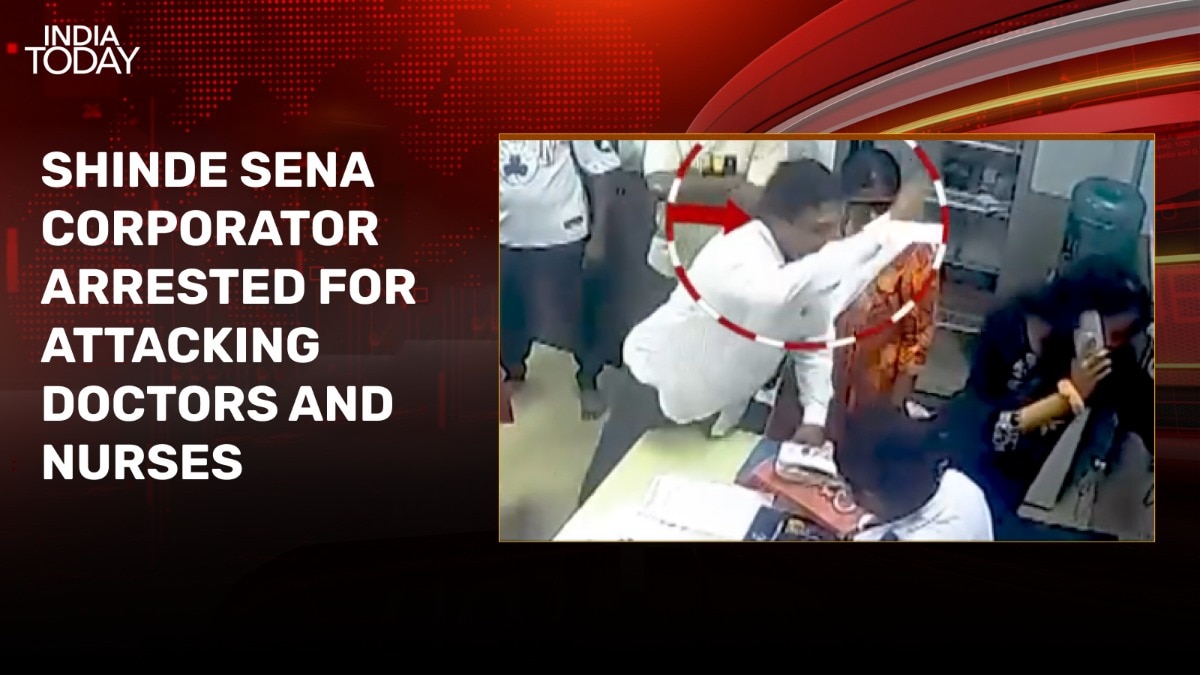
Seventy percent of the nurses surveyed described themselves as physically and emotionally spent, and 43% said their hardest days go past ordinary burnout into moral injury, the particular weight of being asked to deliver care that falls short of the standard they believe is right. For many, the work carries physical risk as well. Just over half, 52%, reported some form of workplace violence in the past year, and most of it never reached an official record, with 70% saying they did not report every incident and 39% reporting none at all.
Under that kind of pressure, it is no surprise that a lot of nurses are looking around. At almost any given moment, three in four are either job-hunting or seriously weighing it, and only 24% of those who stay say they do so out of genuine satisfaction rather than financial necessity or a shortage of options. Only 41% expect to still be at the bedside in five years. What the numbers do not show, though, is a profession heading for the exits. Most nurses who imagine leaving the bedside still want to stay in healthcare, hoping to move into other clinical or administrative roles, and just 11% would leave the field altogether. The loyalty is intact, and what these nurses are after is a better version of the work they already chose.
That resolve comes through most clearly in how quickly nurses have taken to artificial intelligence. Their use of AI on the job has nearly tripled in a single year, climbing from 15% to 44%, and they did not wait for anyone to hand it to them. The verdict from users is warm, with 86% of nurses who use AI saying they are satisfied with it. Many have carried the technology into the job hunt as well, turning to familiar tools like ChatGPT to rebuild a resume, rehearse for an interview, or send out more applications in less time, and taking some of the friction out of a search that has long ground people down. That friction is real and it runs both ways, since 65% of nurses admit they have taken, or nearly taken, a job they had doubts about just to be done looking. The larger point, though, is a workforce building its own solutions instead of waiting for permission.
“AI is one of the most powerful technologies of our era. Software engineers at tech companies are seeing 10X productivity gains by using AI coding solutions. Yet in healthcare, almost half of workers using AI report almost zero ROI. No time saved whatsoever,” said Iman Abuzeid, MD, CEO and co-founder of Incredible Health. “There is a massive gap, and massive opportunity for organizations to lead their workforces into the future with coherent AI roadmaps and proper training. Until that happens, we’ll continue to see lower impact from AI, and workforce retention problems across the healthcare industry.”
None of this describes a healthcare workforce that has given up, and the report, taken as a whole, is less an indictment than a map. The nurses in it are exhausted and too often unsafe, yet they are adapting faster than the systems around them, and they are strikingly clear about what would make them stay: adequate staffing, schedules they can build a life around, room to grow, and leaders who actually listen. Those are solvable problems, not permanent conditions. The willingness to stay is already there, and what remains is for the hospitals that count on them to meet it.