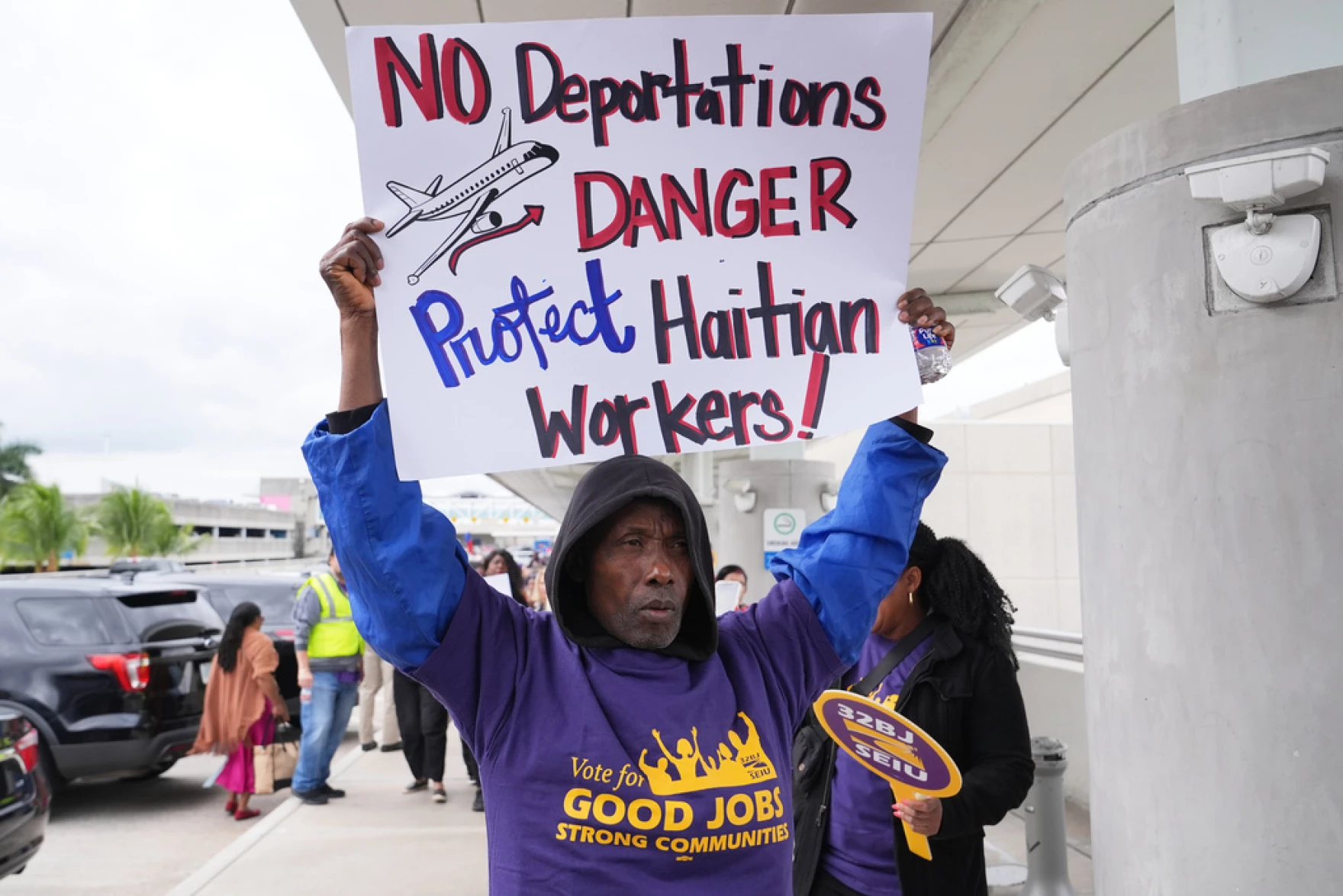
The end of Temporary Protected Status for Haitians could create a new crisis far beyond immigration courts and deportation proceedings. The impact could be felt inside nursing homes, assisted-living facilities and private homes across the United States, where thousands of Haitian workers care for older adults, people with disabilities and families already struggling to find reliable help.
Haitian TPS holders make up an important part of the country’s direct-care workforce, particularly in states with large Haitian communities.
According to figures cited in a recent PolitiFact review, approximately 13,000 Haitian TPS holders work as nursing assistants and help care for an estimated 65,000 patients each day. Another 8,000 Haitian caregivers are estimated to serve about 12,000 children and older adults.
Those numbers are raising serious concerns as the Trump administration moves to end TPS protections following a recent U.S. Supreme Court decision. Without TPS-based work authorization, many affected workers could lose their legal ability to remain employed unless they qualify for another immigration status or form of relief.
Healthcare experts warn that the consequences could be especially severe because the United States was already facing a caregiver shortage before the latest TPS developments.
Nursing homes, home-care agencies and assisted-living facilities have struggled for years to recruit and retain enough workers. Direct-care jobs are often physically and emotionally demanding, while many positions offer relatively low pay and limited benefits. At the same time, the country’s aging population is increasing demand for long-term care.
States including Florida, New York and Massachusetts could feel the impact especially strongly because of their large Haitian communities and the number of Haitian workers employed in healthcare and caregiving roles.
Florida faces a particularly difficult challenge. The state has one of the country’s largest populations of older adults, along with a large Haitian community concentrated in South Florida. Haitian workers serve in hospitals, nursing homes, assisted-living facilities, home-health agencies and private residences across the state.
The concern is not only about replacing employees. Caregiving often depends on trust, routine and personal relationships built over time. For an older adult living with dementia, a child with disabilities or a family relying on daily home care, suddenly losing a familiar caregiver can create major disruption.
Experts also warn that removing workers from an already strained system could place more pressure on the employees who remain, force families to take on additional caregiving responsibilities and make it harder for facilities to accept new patients.
The debate over Haitian TPS is often framed around immigration policy. But the possible impact reaches much further.
If thousands of Haitian caregivers lose their ability to work legally, the question will not only be what happens to them and their families.
It will also be: Who will care for the people depending on them?