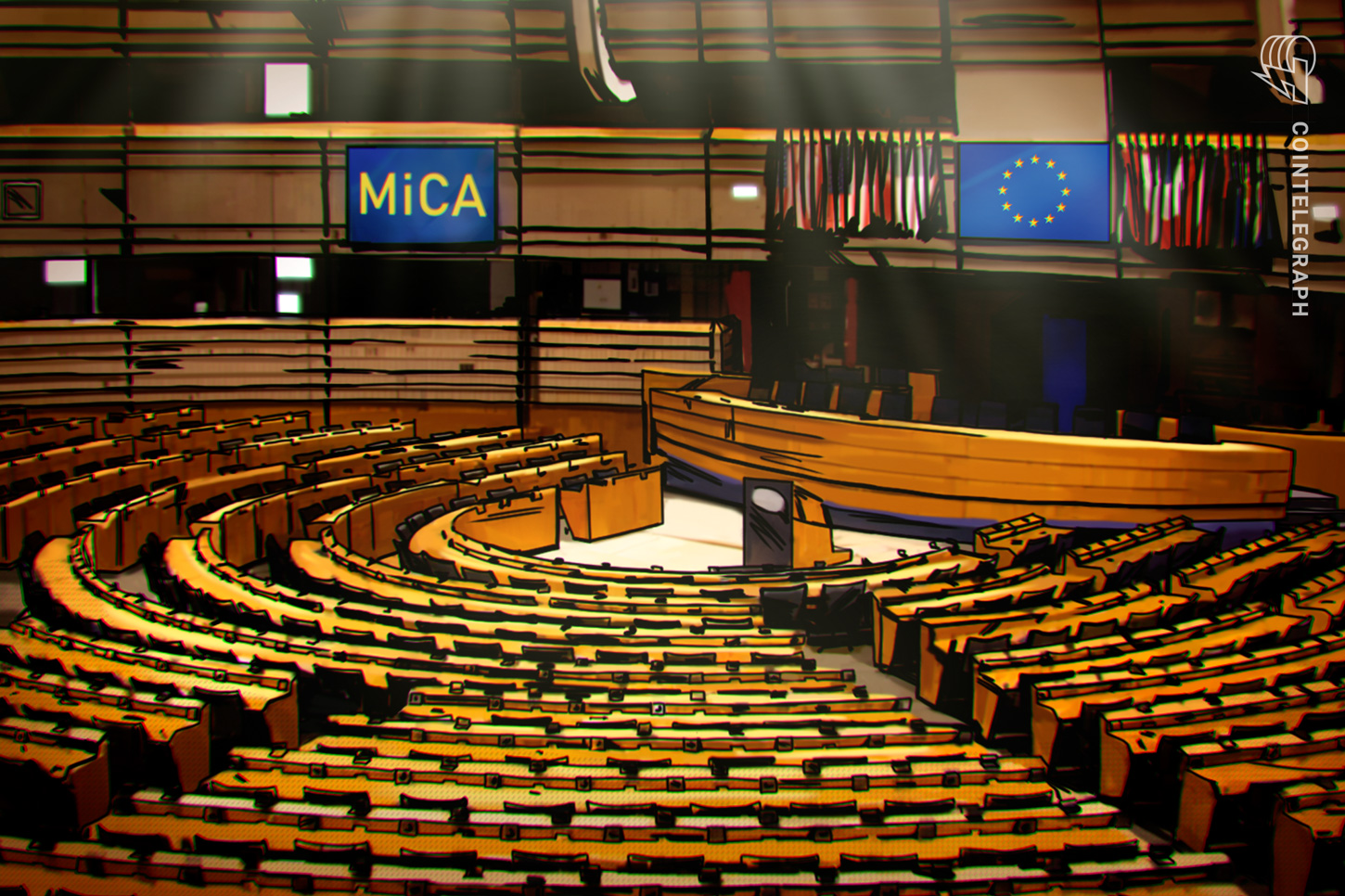
Europe’s stablecoin rulebook is becoming much more real. ESMA’s finalized MiCA guidelines add another layer of detail to how stablecoin issuers and service providers are expected to operate inside the bloc, especially where non-euro-denominated tokens are concerned.
That matters because stablecoins are no longer a side issue in crypto regulation. They are one of the main battlegrounds between market demand, monetary sovereignty, and financial supervision.
For more details, visit the official ESMA platform.
TL;DR
- ESMA published finalized MiCA guidance for stablecoin activity.
- The rules put sharper limits and obligations around non-euro-denominated stablecoins in Europe.
- The update shows the EU stablecoin regime is moving from theory into enforcement detail.
Why Non-Euro Stablecoins Are Sensitive
Dollar-linked stablecoins dominate crypto liquidity, but that dominance creates an obvious tension in Europe. Regulators want digital asset markets to develop without making euro-area users overly dependent on non-euro settlement units.
MiCA is the framework designed to manage that tension. ESMA’s guidance helps translate the law into operational expectations for issuers, exchanges, and other crypto asset service providers.
What This Means For Issuers
Stablecoin issuers now face a more demanding European environment. Licensing, disclosure, reserve management, transaction limits, and operational controls all become part of the conversation.
For major issuers, the message is clear: European access will increasingly depend on compliance infrastructure, not just market popularity. That could favour firms with local licensing strategies and hurt those relying on global scale alone.
A Market Structure Shift
For traders, the effect may show up gradually through exchange restrictions, product adjustments, and liquidity changes. The biggest stablecoins will not disappear overnight, but their European use could become more segmented.
The broader takeaway is that MiCA is no longer just a future deadline. It is starting to define how stablecoin liquidity can actually move through the European market.
The Story Beneath The Headline
The useful way to read this story is not as a standalone headline about ESMA, but as part of the wider pressure building around Stablecoins coverage this week. Markets have been jumping quickly from one catalyst to the next, so the cleaner value for readers is in separating the actual development from the instant reaction around it. In this case, the source material gives us a concrete event to work from, rather than a loose rumour or a recycled social-media talking point.
That distinction matters because crypto readers are being asked to process a lot at once: ETF flows, regulatory actions, exchange listings, protocol upgrades, wallet movements, and political signals. A story like this is most useful when it helps them understand where MiCA fits into that broader map. It does not need to be inflated into a guaranteed price call to be worth covering. It simply needs to explain what changed, who is affected, and why the market is paying attention today.
The caveat is also important. Even clean source-backed developments can be overinterpreted when traders are hunting for a fast narrative. A listing does not automatically create lasting demand, a regulatory update does not immediately settle every legal question, and an on-chain movement does not always translate into a finished sale. The better read is to treat the development as a fresh data point and then watch whether follow-up activity confirms the direction of travel.
For NewsBTC readers, that means keeping the focus on what can actually be verified from the source and avoiding the temptation to turn every update into a sweeping market verdict. The story is strong enough on its own terms: it gives investors and traders another piece of context around Stablecoins, while leaving room for the next filing, dashboard update, wallet movement, governance vote, or exchange notice to decide whether the angle grows into something bigger.
This report is based on information from ESMA.
This article was written by the News Desk and edited by Samuel Rae.