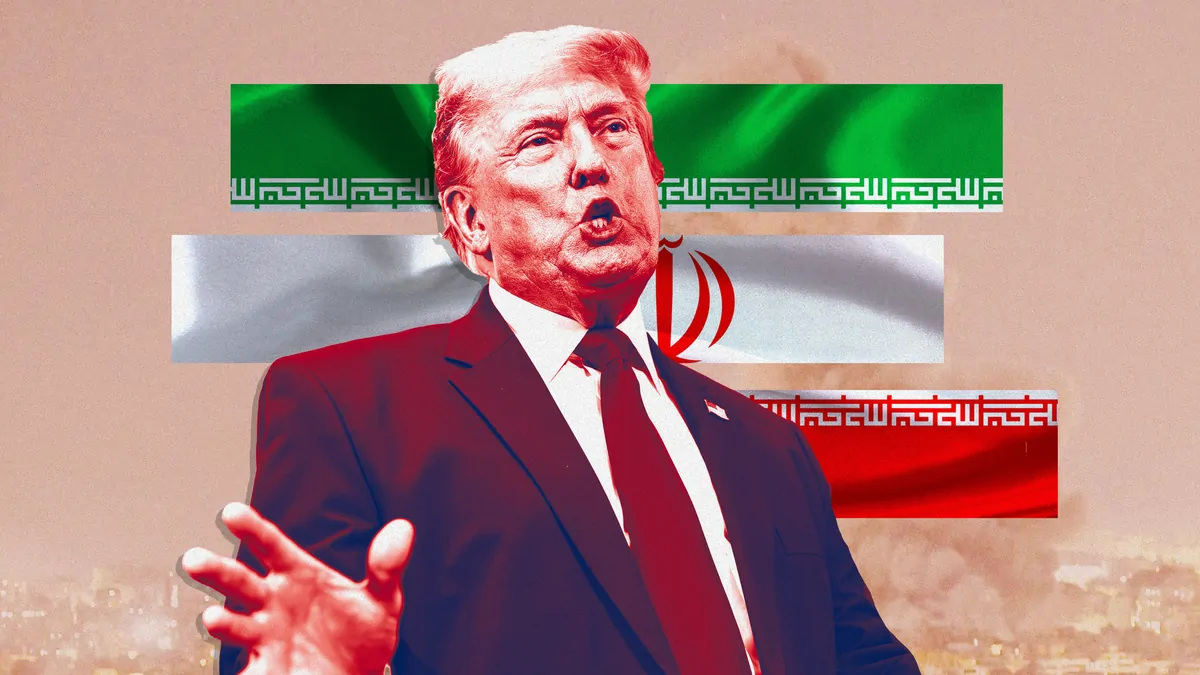
President Donald Trump, flanked by U.S. Defense Secretary Pete Hegseth and U.S. Secretary of State Marco Rubio, speaks at the NATO summit in Turkey on July 8, 2026. That same day, he threatened war crimes against Iran—again.Emrah Gurel/AP
Get your news from a source that’s not owned and controlled by oligarchs. Sign up for the free Mother Jones Daily.
President Donald Trump said on Wednesday that the US would continue strikes on Iran for a second night, and—if it had to—seize much of the country’s oil and target electric and desalination plants.
The desalination plants are part of Iran’s vital civilian infrastructure, and, as I wrote in April, international law experts consider hitting these facilities to be war crimes because of the disproportionate harm targeting them would cause to civilians.
On Wednesday, Trump also said that the US-Iran ceasefire agreement was over and that he would allow US officials to continue current negotiations to end the war, but they would be “wasting their time.”
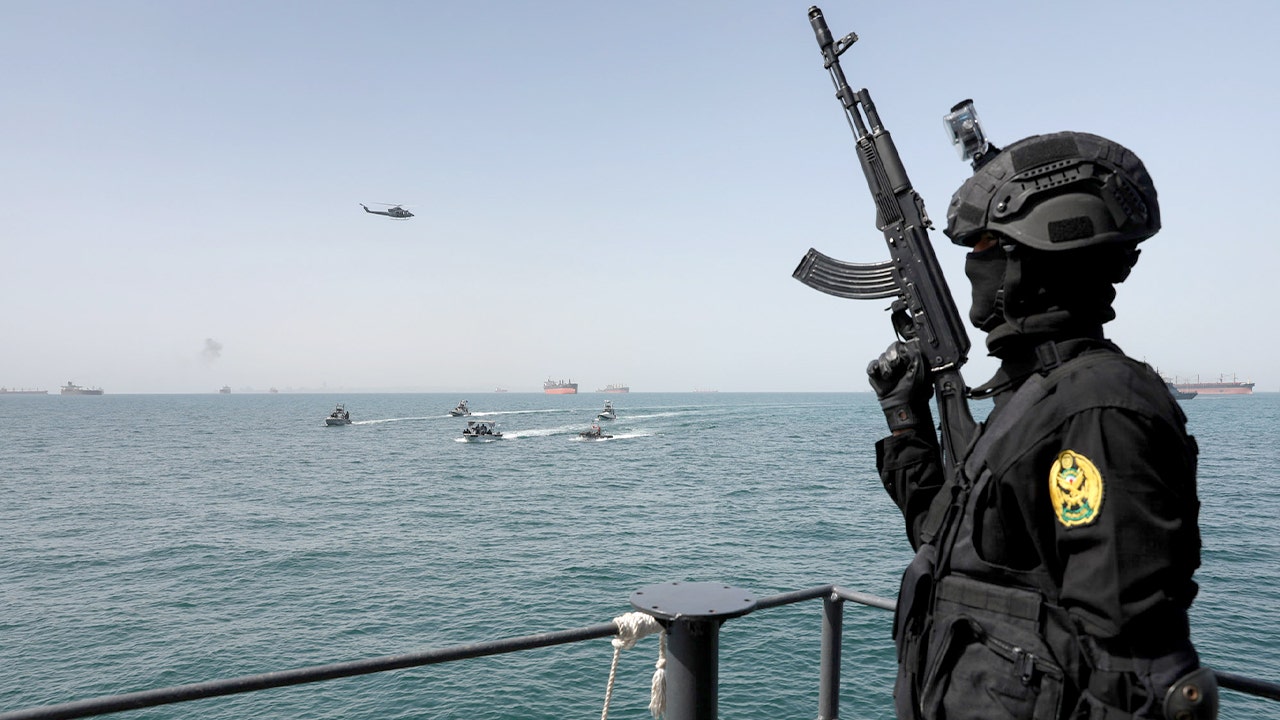
Trump’s threats come amid multiple American strikes against Iran since it signed an interim deal with Iran on June 17. The US strikes came in response to Iranian attacks on ships in the Strait of Hormuz, a passageway that carried about 20 percent of the world’s crude oil and natural gas before the 2026 war began.
In late June, during the first major US strikes on Iran since the interim deal, Trump posted on Truth Social that if Iran continued its strikes, “we will be forced to military complete the job…if that happens, the Islamic Republic of Iran will no longer exist!”
As part of the US and Iran’s June agreement, Iran would allow ships to pass through without paying tolls for 60 days. But the country’s leadership has stated that oil tankers passing through the strait must use approved routes. According to a Wednesday report by the Associated Press, the ships Iran struck on Tuesday appeared to deviate from the designated route.
These recent maneuvers put more lives at risk. As of June 10, multiple Iranian government ministries reported that about 3,500 people have been killed in Iran since the war began in February.
Nate Swanson, President Joe Biden’s director for Iran at the National Security Council, told me two weeks ago what he considered the strategy at play here. The US doesn’t seem to be interested in making complex concessions to Iran, Swanson said, and Iran may be unwilling to agree to a deal with Trump specifically, given his support of the Gaza war and his strikes on the country in June 2025.
On Wednesday, Trump told reporters that Iran’s leaders were “scum” and “sick people.” “Based on their actions over the last week or two, they’re not doing a service to the people,” he said. “I’m not sure I want to make a deal with them.”
The Trump administration’s efforts to end the war appear to be going backward. Republican lawmakers criticized the June ceasefire deal with Iran as “the worst foreign policy blunder in decades.” While many publicly blamed JD Vance, whom Trump said was responsible for Iran negotiations, the war is extremely unpopular with his base, which could hurt the GOP’s chances in the upcoming midterms.