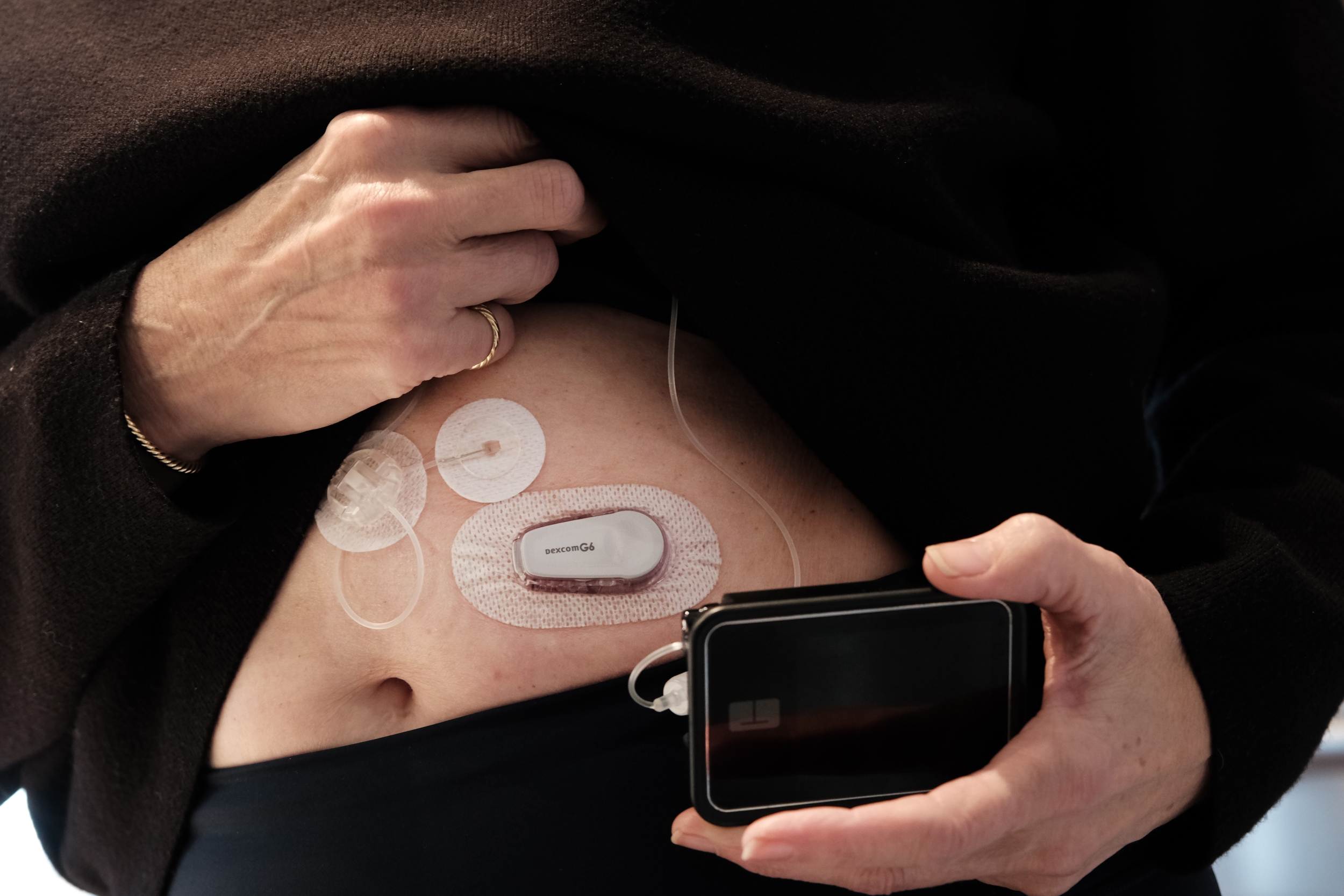
On June 12, 2026, the U.S. Food and Drug Administration cleared the first over-the-counter continuous glucose monitor (CGM) for children, the Dexcom Inc. Stelo Glucose Biosensor System, an integrated CGM indicated for people two years of age and older who do not use insulin. This is the first time in the history of pediatric diabetes care that a glucose monitoring technology for children does not require a physician’s prescription.
The practical consequence is significant: parents can now purchase a wearable blood sugar monitoring device for their child directly from a pharmacy, grocery store, or online retailer, without scheduling a clinic appointment, waiting for a prescription renewal, or obtaining prior authorization from an insurance plan.
Why This Matters
A CDC report found an estimated 8.4 million adolescents aged 12 to 17 years — approximately 32.7% — have glucose levels in the prediabetes range. Prediabetes in children, if unaddressed, significantly raises the risk of progression to Type 2 diabetes, cardiovascular disease, and metabolic complications that compound over a lifetime.
For the growing population of children managing Type 2 diabetes with oral medication, real-time glucose data provides information that can directly improve daily management decisions. Until now, all CGM devices for children required a prescription, creating a cascading access barrier: no prescription without a clinic visit, no clinic visit without insurance or transportation, no prior authorization without administrative follow-through. The OTC clearance removes the first link in that chain.
What We Know So Far
The FDA previously cleared the Stelo Glucose Biosensor System over-the-counter for individuals 18 years and older in March 2024. The June 12, 2026, clearance extends the indication to children ages 2 and older who do not use insulin.
The technology consists of a wearable glucose sensor paired with a smartphone application that displays glucose values and trends every 15 minutes. Sensors last up to 15 days, though the Pharmacy Times notes that sensors may not last the full 15 days in some younger children. Dexcom currently sells Stelo sensors in packages of 2 for approximately $89 to $99 per month.
The FDA incorporated real-world evidence and prior clinical study data from both pediatric and adult users to support performance expectations, enabling clearance without a dedicated pediatric trial.
The product is indicated for children, including those with diabetes who receive oral medication to manage their condition, and children who want to understand how diet, exercise, and other lifestyle changes affect their glucose levels.
The FDA emphasized that the Stelo system is not designed for children who use insulin, those who experience problematic hypoglycemia, or patients on dialysis. For insulin-dependent children, prescription CGMs with hypoglycemia alerts remain the appropriate clinical tool.
Who Benefits Most — and Who Does Not
The OTC Stelo CGM is specifically designed for children who:
- Have been diagnosed with prediabetes
- Are managing Type 2 diabetes with oral medication (not insulin)
- Do not have a history of severe low blood sugar events
- Or whose parents simply want to understand how food, activity, and daily habits affect their child’s blood sugar
The device is not appropriate for:
- Children with Type 1 diabetes (who require insulin and alerts for hypoglycemia)
- Children on insulin of any kind
- Children on dialysis
- Children with a history of problematic low blood sugar events
Parents should consult a pediatrician or pediatric endocrinologist before using a CGM in any child with a confirmed diabetes diagnosis, especially if the management plan includes medications.
What Doctors and Experts Say
“Children deserve access to the best tools available to manage their health,” said Michelle Tarver, M.D., Ph.D., Director of the FDA’s Center for Devices and Radiological Health. “Today’s clearance reflects the FDA’s commitment to fostering innovation for pediatric patients and supporting the safe and effective use of medical devices where children live, learn, and play.”
The American Pharmacists Association has introduced a CGM certificate training program to help pharmacists counsel patients at the point of sale, making community pharmacists a critical point of education for families purchasing the device without a clinical visit.
What the Evidence Shows — and What It Does Not
MedicalDaily Evidence Check
- Device type: Integrated Continuous Glucose Monitor (iCGM)
- Regulatory pathway: 510(k) clearance (expansion of existing adult device indication)
- Data used: Real-world evidence combined with prior clinical study data from adult and pediatric users
- What it found: Device performs reliably across the sensor wear period in both adult and pediatric populations
- What it does not prove: The device does not detect or alert for hypoglycemia — it is not a therapeutic device and does not replace clinical judgment for insulin-using patients
- Reported side effects: Mild skin irritation, localized infection, pain or discomfort at the sensor site
- What readers should know: This device is a monitoring tool — not a treatment
Symptoms and Patterns to Watch For
Parents using the OTC Stelo CGM may see glucose patterns that prompt follow-up care. Patterns that warrant a conversation with a pediatrician include:
- Consistently high glucose levels after meals (above 140 mg/dL two hours after eating)
- Persistent elevated fasting glucose levels (above 100 mg/dL)
- Wide swings in glucose across the day
- Low glucose levels in a child who does not use insulin
None of these patterns are an emergency on their own, but they are signals to bring to a clinician. Do not adjust any child’s diet, exercise, or medications based solely on CGM data without medical guidance.
What You Can Do Now
- Ask your pediatrician whether this device is appropriate for your child. The OTC CGM is not the right tool for every child. A clinician can help assess whether your child’s glucose management plan warrants real-time monitoring.
- Check the indication carefully. Confirm your child does not use insulin before purchasing the OTC Stelo device. Insulin-using children need a prescription CGM.
- Purchase through licensed pharmacies. The Stelo Glucose Biosensor System is available at major pharmacy chains and through authorized online retailers.
- Download the companion app before the sensor goes on. The device requires a smartphone to display data. Ensure the app is set up and connected before activating the sensor.
- Bring CGM data to clinic visits. Share glucose trend data with your child’s care team to put readings in clinical context.
Cost and Access: What Families Should Know
Dexcom sells Stelo sensors in packages of 2 at approximately $89 to $99 per month. As an OTC product, it may not be covered by insurance under the same terms as a prescribed device, though families may be able to submit for reimbursement under a flexible spending account (FSA) or health savings account (HSA). Medicaid coverage for OTC medical devices varies by state. Dexcom has a patient assistance program; families can inquire at dexcom.com.
The Bottom Line
The FDA’s OTC clearance of the Dexcom Stelo CGM for children as young as 2 years represents a meaningful expansion of access to glucose monitoring technology — particularly for families managing prediabetes or non-insulin-treated Type 2 diabetes without consistent specialist access. The device is a monitoring tool, not a treatment, and it is not appropriate for insulin-using children.