In this article
Alex Eala’s historic Wimbledon run began not on the manicured lawns of SW19, but on repurposed basketball courts in Manila where lines were painted over concrete and nets sagged in the tropical heat. That journey from makeshift facilities to the most prestigious tournament in tennis tells you everything about the 19-year-old’s determination — and the untapped potential across Southeast Asian sport.
The Breakthrough at SW19
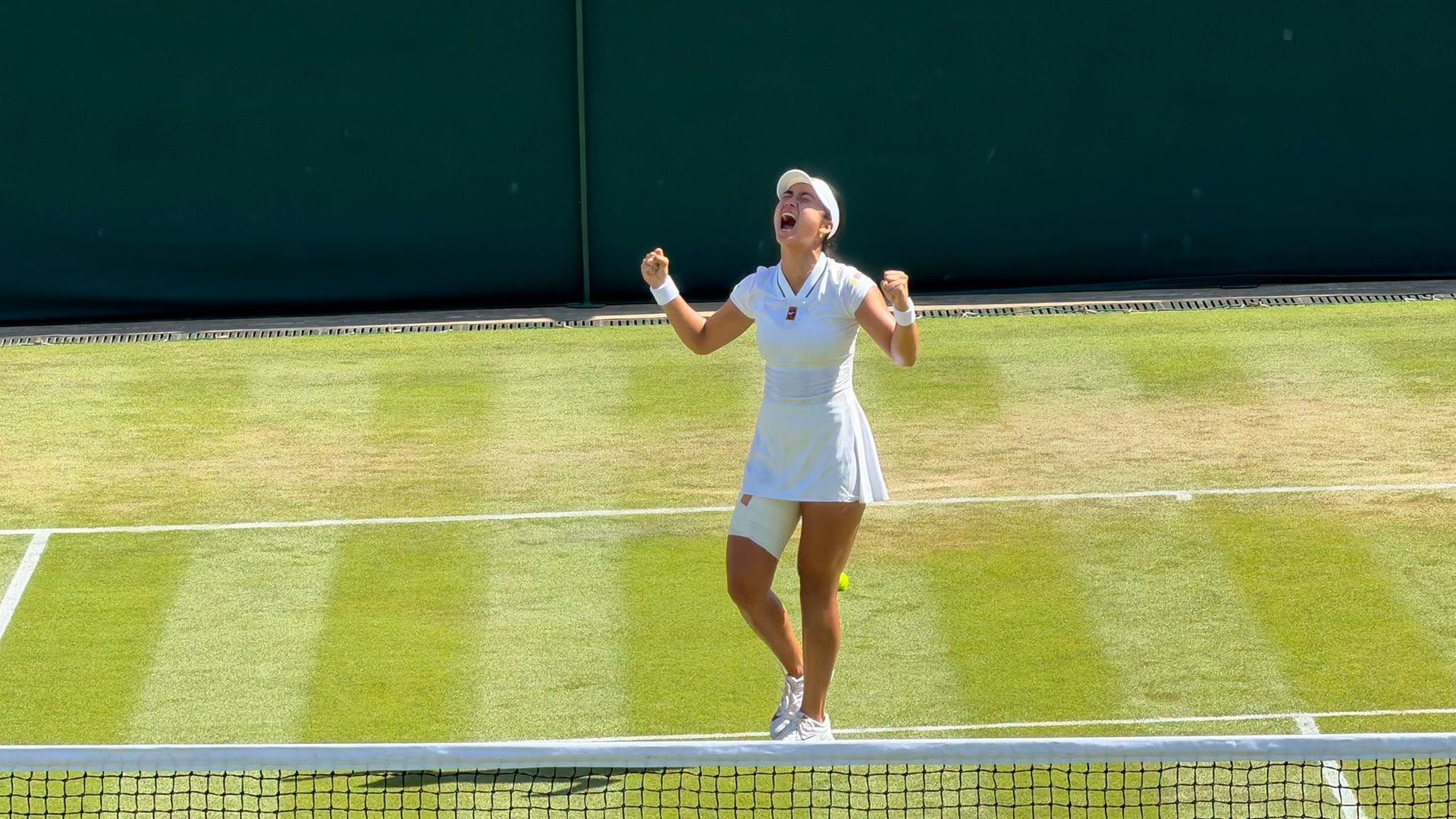
Eala’s passage through Wimbledon qualifying in 2024 marked a watershed moment for Philippine tennis. She became only the second Filipino to compete in the main draw at Wimbledon in the Open Era, following Felix Barrientos in 1985. The gap between those two names — nearly four decades — underscores just how rare this achievement is.
Her Wimbledon qualifying success came through three gruelling rounds against higher-ranked opponents, each match a test of grass-court adaptation for a player more accustomed to hard courts. The transition to grass demands adjustments most Asian players rarely get to practise: lower bounces, faster points, split-second decision-making on an unpredictable surface.
From Rafael Nadal Academy to Centre Court Ambitions
Eala’s development path took her from Manila to Spain’s Rafa Nadal Academy at age 12 — a move that required her family to make significant sacrifices. Training alongside Europe’s best juniors gave her the tactical sophistication and mental resilience that makeshift courts in the Philippines, however passionate the coaching, simply couldn’t provide at scale.
She won the 2022 US Open girls’ singles title, becoming the first Filipino to claim a junior Grand Slam singles championship. That victory validated the investment and signalled her readiness for the professional circuit’s demands.
Source: Rafa Nadal Academy
The Infrastructure Challenge
The Philippine tennis breakthrough Eala represents throws into sharp relief the challenges facing emerging tennis nations. Consider the contrast:
- Grass-court access: The Philippines has virtually no grass courts for year-round training, whilst British players grow up with regular access to the surface.
- Funding structures: Elite development in tennis-rich nations benefits from tiered sponsorship and federation support that many Asian athletes must source independently.
- Competition density: European juniors can drive two hours to a Futures tournament; Southeast Asian players often face flights and visa complications for equivalent competition.
These aren’t excuses. They’re the reality that makes Eala’s achievement all the more remarkable.
What This Means for Asian Tennis
Eala joins a small but growing cohort of Asian women reshaping the sport’s geography. Japan’s Naomi Osaka won four Grand Slams. China’s Zheng Qinwen reached the Australian Open final in 2024. Now Eala carries the torch for the Philippines and, by extension, Southeast Asia.
Her visibility matters beyond rankings points. Young players across Manila, Jakarta and Bangkok now have a reference point — proof that the journey from inadequate facilities to Grand Slam courts is possible with the right combination of talent, support and relentless work ethic.
The Commercial Opportunity
For brands and rights-holders across the UAE and GCC markets, stories like Eala’s underscore tennis’s growing appeal in Asia-Pacific. The region represents the sport’s next major growth frontier, with rising disposable incomes and a hunger for international sporting success driving viewership and participation.
Tennis hospitality programmes at Wimbledon, the Australian Open and other marquee tournaments increasingly attract corporate clients from the Gulf seeking to engage Asian markets. Aligning with breakthrough athletes from the region — whether through sponsorship, ambassador roles or experiential partnerships — offers authentic entry points to these audiences.
Beyond the Baseline
Alex Eala’s historic Wimbledon run won’t be a one-off. She’s ranked inside the top 200 and climbing. More importantly, she’s laid a template for the generation behind her — one that starts on basketball courts but refuses to be limited by them.
The makeshift facilities that shaped her early years weren’t obstacles. They were the foundation. And now, every time she steps onto grass at SW19 or hard courts at Flushing Meadows, she carries the ambitions of millions who see their own potential reflected in her forehand.
That’s the power of sport. Not just the winning, but the pathway it illuminates for everyone watching from the baseline.