The Bear
Streaming now on Disney Plus
Ever eaten a meal so good, years later you’re STILL thinking about it?
Sign up to The Nightly’s newsletters.
Get the first look at the digital newspaper, curated daily stories and breaking headlines delivered to your inbox.
By continuing you agree to our Terms and Privacy Policy.
I have. It was 2004, and I was gifted a degustation dinner at Sydney’s famed Rockpool restaurant. It was when the establishment, under the direction of award-winning chef Neil Perry, was at maximum chef’s hat rating — I enjoyed 10 courses, plus wine, plus a tour of the kitchen, and it remains the single best culinary moment of my life.
Everything — and I mean EVERYTHING — was absolute perfection. I’m not sure anything will come close again.
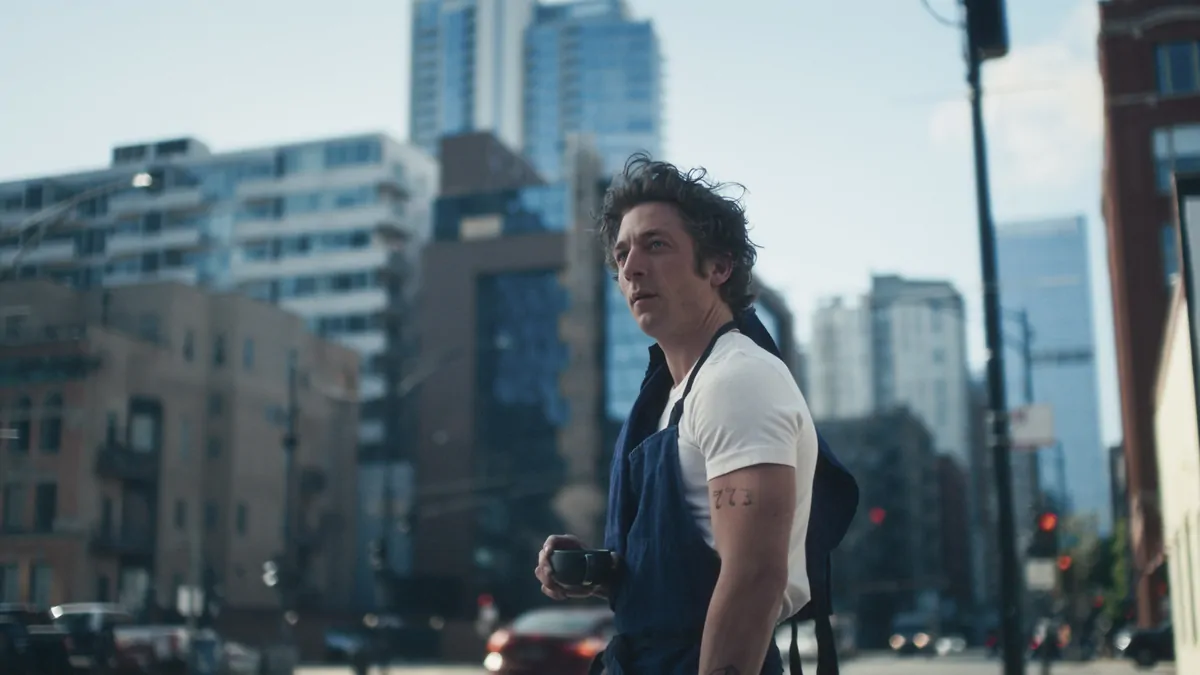
Fast forward two decades, and I got that same feeling watching the final season of the award-winning culinary drama The Bear.
Like that dinner, the feeling this gave me has stayed with me, leaving me thinking I might have just watched the single best piece of television I am ever likely to see in my life.
If you know anything about me, you’ll know I’ve been writing about, and reviewing, TV for the better part of 25 years — so yeah, this is an enormous call.
But one I am prepared to stand by.
Right from the first episode, which picks up immediately on from last year’s season finale, I knew we were in for something special.
This final fifth season plays out a little like The Pitt (another top-tier, chef’s-kiss of a show), in that each episode covers part of one day — perhaps the final day — of The Bear’s existence.
Nothing, and I mean nothing, goes right, and over eight excruciating but exquisitely crafted hours, the tension culminates. Episode seven plays out like the show’s dramatic hour-long conclusion (the extra episode, not seen by critics, only dropped the day of release so at time of writing I’d not yet peeped it) — like the perfectly executed final dinner the chefs at The Bear are plating up.
The pulsating, anxiety-inducing soundtrack, the scripts and the performances are exceptional to a fault. Everything about this series’ send-off stands as a testament to a cast and crew at the very top of their game.
This final season is a culinary and televisionary (is that a word?) work of art, one which will leave you with a bittersweet aftertaste in the best possible way.
This is exceptional television. Do yourself a favour and gorge it in one exquisite sitting. Though a word of warning: you may need to take an antacid for the stress afterwards.
Bang My Box: The Robin Byrd Story
Wednesday, streaming on HBO Max
Bang My Box: The Robin Byrd Story is coming to HBO Max. Credit: Supplied
I’d never heard of Eighties public broadcast TV star Robin Byrd before this great doco — now I’m obsessed with her awesomeness.
Clad only in her signature black crochet bikini, from 1977 to 1998 Robin created, produced and hosted a late-night call-in show on public access television in New York. It was part performance, part adult entertainment, part lonely-hearts late-night club — and wholly original.
Now in her 70s, Robin looks back at her sex-positive impact on popular culture, and it’s a delight to spend time with her and devoted hubbie Shelly.
Life, Larry And The Pursuit Of Unhappiness
Streaming on HBO Max
Larry David plays a variety of different historical figures. Credit: Supplied
This is the most Larry David show to ever exist, so if you’re not a fan of the deadpan septuagenarian comedian, maybe give this a wide berth. Think Drunk History, with Larry inserted into every historical period in American history. Not sure this needed to exist, but it’s ridiculous silly fun and I’m glad it does.
Ms X
Tuesday, streaming on Binge
Melissa George stars in Ms X, coming to Binge. Credit: Supplied
Melissa George stars in this darkly funny Kiwi drama, all about an everyday suburban school mum who gets pulled into the world of “organised crime, identity theft and PTA politics”. Intrigued? I was, and I LOVED the first episode — can’t wait to see more.
Elle
Wednesday, streaming on Prime Video
Elle is coming to Prime Video. Credit: Supplied
The TV spin-off of Reese Witherspoon’s comedy is finally hitting screens. This stars Lexi Minetree as Elle in her high school years. Her parents have forced her to move to Seattle and she’s struggling to fit in. A bit of fluffy fun.