3 min readThiruvananthapuramUpdated: Jun 6, 2026 03:17 PM IST
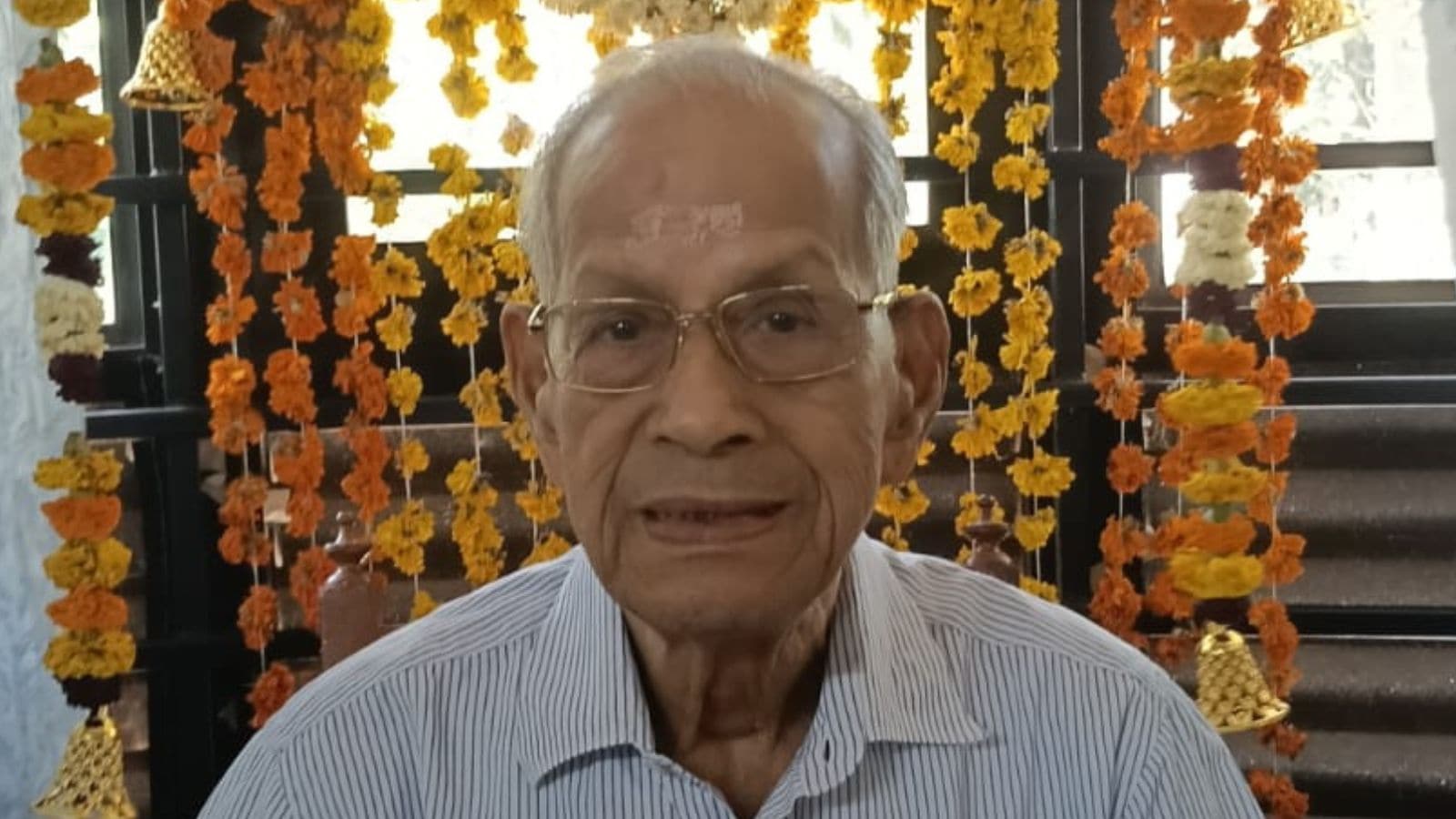
Taking forward metro man E Sreedharan’s proposal for a high-speed rail corridor, the Congress government in Kerala has constituted an expert committee to study the project’s technical and financial feasibility, environmental impact, socio-economic benefits and implementation challenges.
Last week, Sreedharan submitted the DMRC’s interim report for the Kerala high-speed rail corridor between the state capital Thiruvananthapuram and Kannur in north Kerala.
The state government has decided to take forward the DMRC proposal after winding up all steps related to the SilverLine, or K-Rail, project of the previous CPI(M) regime. K-Rail had been fiercely opposed by the Congress when it was in the opposition.
In February this year, Sreedharan opened an office for the project in his hometown Ponnani in Malappuram district, towards which the previous CPI(M) regime had remained tepid.
The order issued by the transport department said the DMRC interim report would be examined by an expert committee comprising Transport Secretary, J Vinayan (railways), Dr C Veeramani (finance) and Sreedhar Radhakrishnan (environment). The order, issued on Friday, said the committee should submit its recommendations and remarks within three weeks.
The proposed Kerala High-Speed Rail (KHSR) is a 473.20-km double line from Thiruvananthapuram City (Poojapura) to Kannur (Mundayad) with 23 stations. The line will be fully elevated except for a 6.5-km tunnel stretch in Thiruvananthapuram city. It will connect all Kerala airports except Kannur, which will be linked through an exclusive 10-km road. The proposed travel time from Thiruvananthapuram to Kannur is 3 hours and 30 minutes.
The report said the system’s energy requirements would be met through a captive solar network, which would also sell surplus power to the Kerala State Electricity Board (KSEB). If implemented, it would become the world’s first green rail corridor, the report said.
Story continues below this ad
The project cost is estimated at Rs 60,000 crore, of which Rs 36,000 crore will be met through equity contributions by the Centre and the state in a 51:49 ratio. The remaining Rs 24,000 crore is proposed to be raised through crowdfunding.
The report said the HSR line has been proposed on standard gauge because axle load can be reduced to 15 tonnes against 25 tonnes on broad gauge, substantially lowering investment and operational costs. It added that all advanced countries use standard gauge for high-speed operations, making future upgrades and innovations easier to adopt and helping India keep pace with global trends and move towards self-sufficiency.
The interim report said the trains would have a maximum design speed of 200 kmph, maximum operational speed of 180 kmph and average commercial speed of 140 kmph.
Expand
Stay updated with the latest – Click here to follow us on Instagram