Politics
The Democratic Party filed formal objections Wednesday to the candidates’ campaigns and called for them both to withdraw.
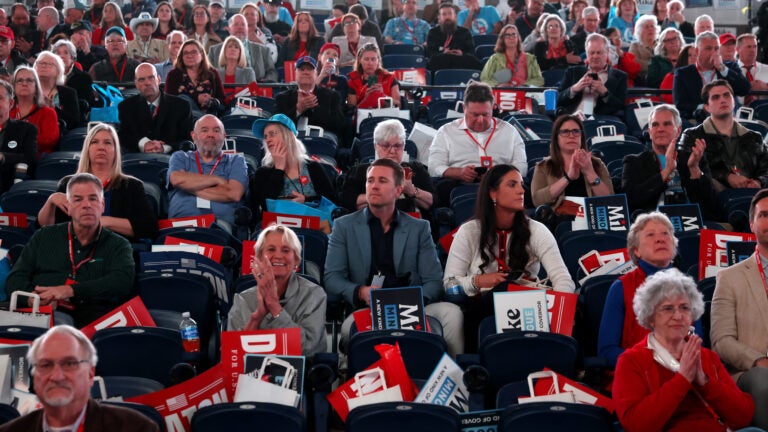
Delegates at the Massachusetts GOP Convention in Worcester on April 25. Jonathan Wiggs/The Boston Globe
State Democrats have accused two Massachusetts Republican Party candidates of submitting fraudulent signatures to get on the September primary ballot.
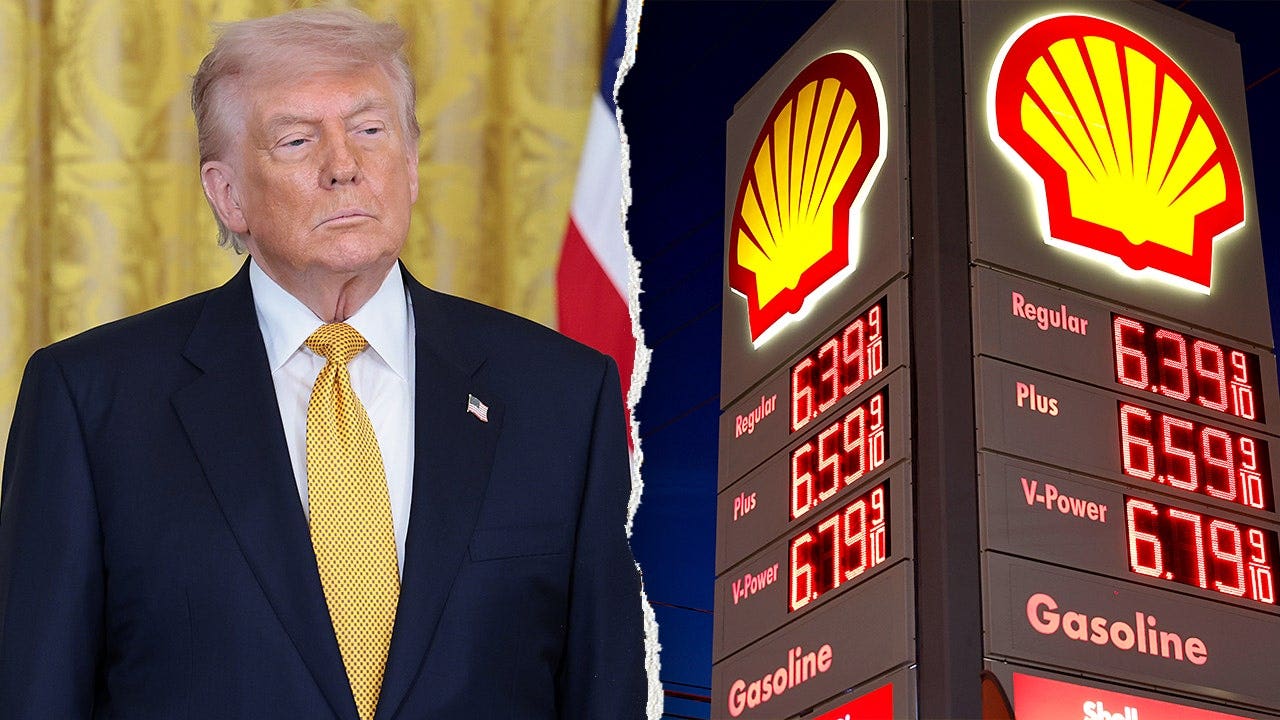
“For years, Donald Trump and Republican leaders have made voter fraud and election integrity central to their political message, often alleging widespread misconduct in our elections,” Massachusetts Democratic Party (MassDems) Chair Stephen Kerrigan said in a press release Wednesday. “We now see what attempted fraud actually looks like by Republicans here in Massachusetts.”
Mike Walsh, candidate for attorney general, and Anne Manning-Martin, candidate for lieutenant governor, allegedly both submitted the fake signatures “knowingly and willingly,” MassDems said. Adam Roof, executive director of MassDems, placed formal objections to Walsh and Manning-Martin’s campaigns Wednesday with the State Ballot Law Commission.
Kerrigan called on Walsh and Manning-Martin to withdraw from their races before Friday’s deadline to do so, and said to remain in the race would be to “fully abdicate” Republican advocacy for fair elections. Kerrigan also urged the MassGOP and Republican governor candidates Mike Minogue and Brian Shortsleeve to “condemn these illegal actions.”
Roof challenged Walsh and Manning-Martin’s submissions because they both allegedly include numerous signatures that were either “written by the same hand,” not signed in person, signed by people who are not registered voters, signed by voters who are not eligible to be registered, or signed by people who requested that their names be removed. Other signatures are allegedly fake, signed twice, or fraudulently obtained, according to Roof’s objection.
Striking the alleged fraudulent signatures would put Walsh and Manning-Martin below the minimum 10,000 signatures required to get them on the primary ballot, the objection states. Unless the candidates withdraw, the State Ballot Law Commission, which is run by the Secretary of the Commonwealth, should hold hearings to determine whether they have enough signatures, Roof urged in the objection.
If the signatures are proven false and place Walsh and Manning-Martin below their required thresholds, Secretary of the Commonwealth William Galvin must remove their names from the Republican ballot for the Sept. 1 primary, Roof wrote.
“The signature process exists to demonstrate genuine public support, and any effort to circumvent those requirements undermines confidence in our democratic system and is also a violation of the rights of the voters whose names were unknowingly used to perpetrate this fraud,” Kerrigan said in the release. “Voters deserve leaders who respect the democratic process, not candidates who benefit from efforts to undermine it.”
In a statement responding to the allegations, Walsh’s campaign called Kerrigan “Andrea Campbell’s attack dog” and accused Democrats of playing “political games” to distract voters and avoid a competitive race for attorney general.
“Michael Walsh stands behind the rule of law and respects the legal processes established
under Massachusetts election law. … More than 10,000 Massachusetts voters signed nomination papers supporting Walsh’s candidacy because they want a real choice on the ballot and a serious discussion about public safety, accountability, and restoring trust in government,” Walsh’s campaign wrote.
Manning-Martin’s campaign and did not respond to requests for comment Wednesday night.
Other GOP candidate faces setback over invalid signatures
In May, Anne Brensley, the MassGOP-endorsed candidate for lieutenant governor, failed to collect her required 10,000 signatures to appear on the primary ballot. Brensley blamed a paid signature gathering campaign run by Weymouth Republican Town Committee Chair Joe Bronske.
Bronske’s company was paid $15,000 to collect 6,500 signatures and ultimately collected 6,203, Brensley’s campaign said previously. However, “entire batches” of these signatures were later rejected after clerks from three cities and towns reached out with concerns that the signatures may have been fraudulent, her campaign said.
Brensley’s campaign said in May that Walsh and Manning-Martin had also both worked with Bronske and faced “difficult ballot access issues.” Roof’s objection does not clarify whether the alleged fraudulent signatures from their campaigns were obtained by Bronske’s company.
However, a spokesperson for Walsh previously told Boston.com that clerks had reported receiving more than enough certified signatures to get him on the ballot. At the time, the clerks still had nearly two weeks to finish counting the signatures.
This story has been updated to include a comment from the Walsh campaign.
Sign up for the Today newsletter
Get everything you need to know to start your day, delivered right to your inbox every morning.