Mother Jones illustration; Getty
Get your news from a source that’s not owned and controlled by oligarchs. Sign up for the free Mother Jones Daily.
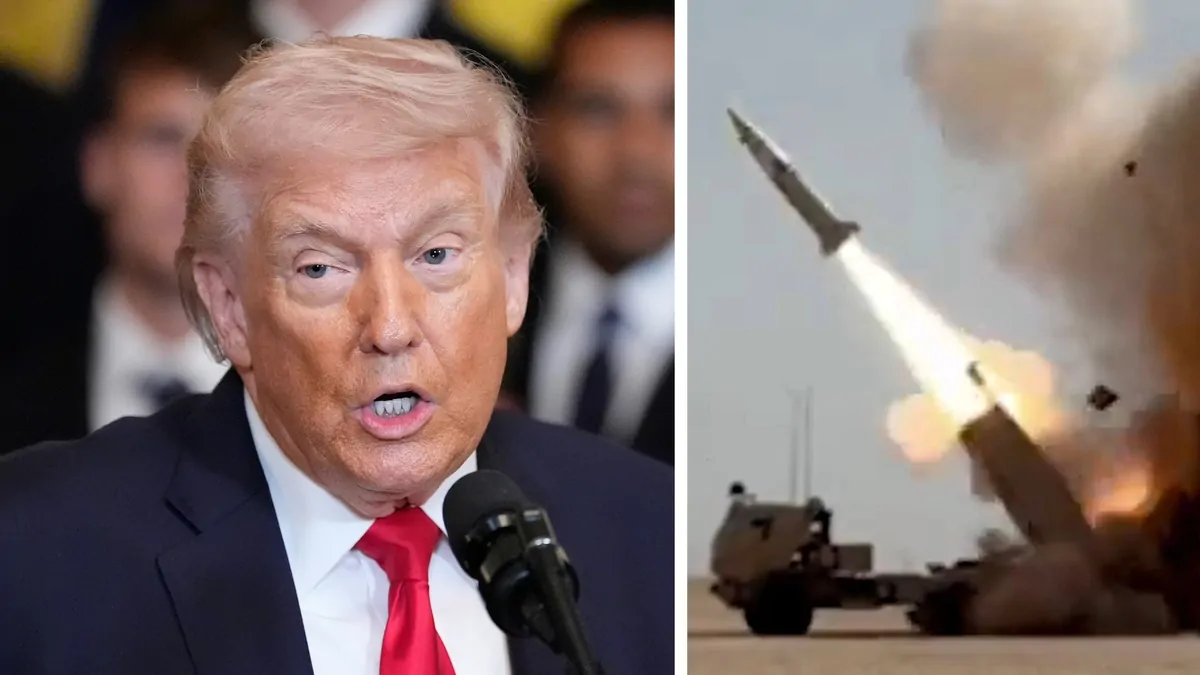
The Pentagon estimates that it has spent upwards of $29 billion on weaponry to bomb Iran since February 28, in a war of choice that has killed at least 3,400 people in Iran and thousands more across the region.
Americans, far away from the bombs, are relatively insulated from the immediate, human costs of warmaking. But the war is hitting Americans in their pocketbooks—and a new tracker shows how much individual American consumers have spent on higher-priced fuel since the war began and gas prices soared to a national average of $4.50 per gallon.
The Climate Solutions Lab and Costs of War Project at Brown University released a research brief May 18 showing that Americans have spent an additional $42 billion on gasoline and diesel over the past ten weeks. “On average, each U.S. household has paid over $300 more for gasoline and diesel since February 28, 2026, than it would have without the war,” the researchers wrote.
“This is where Americans who aren’t service members or who don’t have service members in their families are feeling this war in Iran the most,” said Stephanie Savell, a researcher with the Costs of War Project. “It’s a reminder, every time you go to the gas pump, that this country is at war.”
A 2025 report on US consumers showed that most Americans could not afford a $1000 emergency, and federal reserve data that same year revealed that only 60 percent of American households could withstand even a $400 unexpected expense. A surprise $300 surcharge at the gas pump, then, could be disastrous.
“People are already having to make choices between gas and other basic living expenses, and that is just going to continue,” Savell said. “This is a war cost that affects people on the lower end of the income ladder more.”
The Pentagon still has not provided Congress with an itemized cost of this war—the best numbers we have come from Pete Hegseth’s congressional testimony earlier this month, and then from a Pentagon official who corrected him the next day, saying he had estimated a bit too low. Some researchers say that the costs are likely far higher—somewhere more in the region of $1 trillion. And many of those costs are being kicked down the road to future generations, Savell said: “When the US is engaged in a conflict, a lot of times the spending is credit card spending. So we’re basically deferring payment for the war to future generations.” War borrowing, Savell explained, is “basically taking money from the budget for any sort of social safety net,” and then passing that money along to creditors.
“This data shows that energy price shocks function as an economy-wide, unacknowledged tax on households, with costs comparable to large federal programs and policies,” the Costs of War Project and Climate Solutions Lab researchers wrote in their brief. As the Strait of Hormuz remains closed, that “unacknowledged tax” will keep showing up at the gas pump.
Donald Trump, meanwhile, told reporters today that high gas prices are not a concern of his. “This is peanuts,” he said. “I appreciate everybody putting up with it for a little while. But I don’t even think about it.”