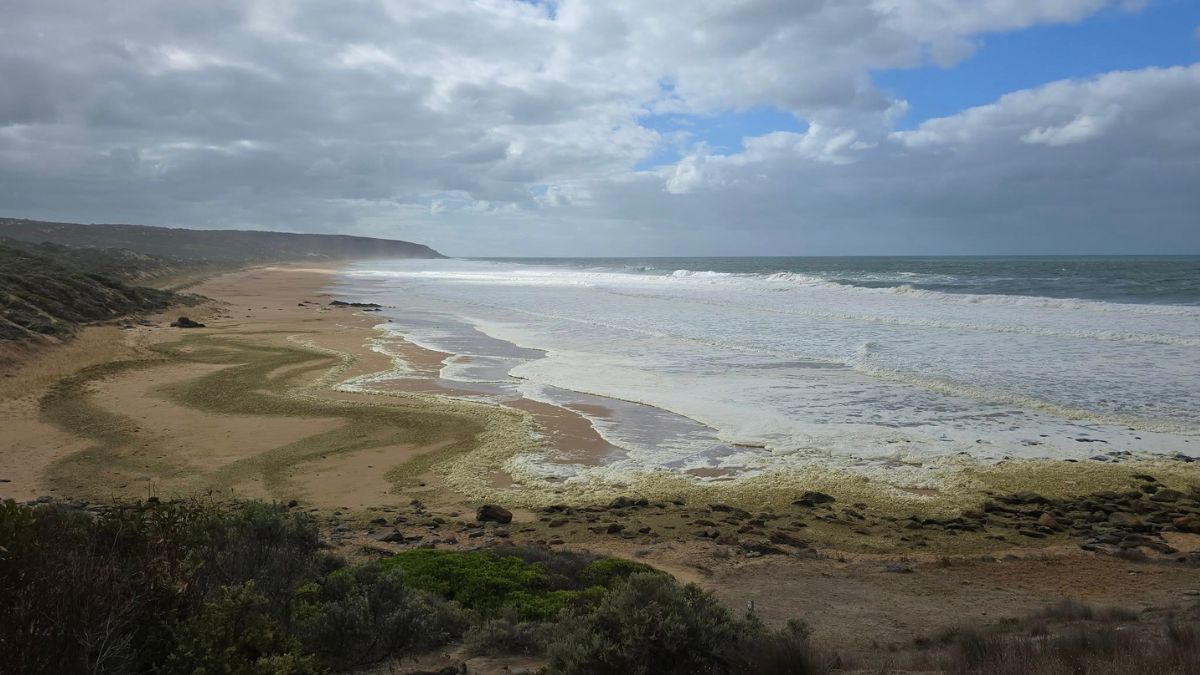
Two new underwater reef systems are set to be installed in Gulf St Vincent this month, as South Australia moves into the next stage of recovery following the harmful algal bloom that affected key parts of the state’s coastline.
The purpose-built artificial reefs will be established off Wirrina on the Fleurieu Peninsula and in Kangaroo Island’s Nepean Bay, creating new habitat designed to support fish stocks, marine biodiversity and the long-term recovery of popular recreational fishing areas.
The modular concrete structures have been designed to mimic coral-like formations, adding hard surfaces and shelter to sections of seafloor where marine life can settle, breed, feed and hide. Over time, the reefs are expected to support species including kingfish, mulloway, snapper, squid and octopus, while also providing hard substrate for oyster settlement.
The SA Government has invested $600,000 to support RecFish SA to plan, manufacture and deliver the reefs, as part of the broader $162.5 million algal bloom response from the state and federal governments.
While the reefs are expected to become future drawcards for recreational fishers and coastal visitors, fishing will not be allowed at the sites for at least 12 months after installation. The closure period is designed to give fish stocks and other marine life time to establish themselves in the new underwater habitats.
RecFish SA Executive Officer Asher Dezsery said, “This project represents a landmark moment for recreational fishing and marine habitat restoration in South Australia, delivering the state’s first purely modular artificial reef systems designed specifically to support long-term ecosystem recovery.”
“These innovative reef systems are about far more than fishing — they are about creating new underwater habitat that supports biodiversity, strengthens ecosystem resilience and helps native marine species recover from poor environmental conditions.”
“By creating complex fish-friendly architecture on the seafloor, these reefs will provide shelter, feeding opportunities and breeding habitat for important South Australian species including snapper, kingfish, mulloway, squid and octopus.”
Minister for Primary Industries and Regional Development Clare Scriven said, “While the algal bloom is largely dissipated from South Australian waters and absent from the Fleurieu and Kangaroo Island coastlines, work remains ongoing to ensure fish stocks rebuild and our recreational and commercial fishers can return to sustainable and successful operations over the long-term.”
“I am sure that, once the artificial reefs are established, they will become cherished features of the ocean floor for both the marine life they sustain and the coastal communities and recreational fishers who will benefit.”
Minister for Climate, Environment and Water and Minister for Tourism Emily Bourke said, “These reefs will help support the recovery of our marine ecosystems by creating new habitats for a wide variety of marine life, where they can find sites to breed, shelter and hide.”
“The locations have been chosen based on a range of factors, including the lack of existing reef structure and seagrass and proximity to other reefs to help improve habitat connectivity for resident reef species.”
“Underwater camera monitoring has also been used to assess seabed suitability and environmental conditions.”
Both sites will be monitored as they develop, with the research expected to help inform future artificial reef projects across South Australia.