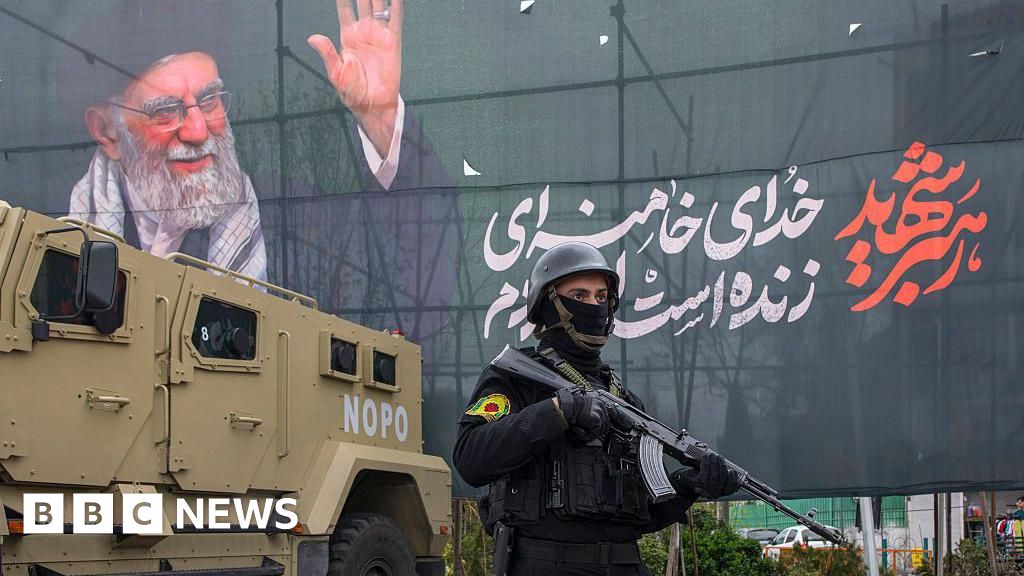
Iran has sent its response to a United States proposal to begin peace talks to end the war, the IRNA news agency reports, as two carriers were allowed to pass through the blockaded Strait of Hormuz.
The IRNA report said the response to a US proposal to end fighting before starting talks on more contentious issues, including Iran’s nuclear program, had been sent to Pakistan, which is mediating.
State TV said Iran was seeking to end the war on all fronts, including in Lebanon, and ensure the security of shipping.
Sign up to The Nightly’s newsletters.
Get the first look at the digital newspaper, curated daily stories and breaking headlines delivered to your inbox.
By continuing you agree to our Terms and Privacy Policy.
But no details were immediately available.
Pakistan received Iran’s response and it had been sent to the US, a Pakistani government official involved in the talks said on Sunday.
Iranian President Masoud Pezeshkian said in a social media post that Iran would “never bow down to the enemy” and would “defend national interests with strength”.
After 48 hours of relative calm following sporadic clashes last week, hostile drones were detected over several Gulf countries on Sunday, underlining the threat still facing the region despite a month-old ceasefire.
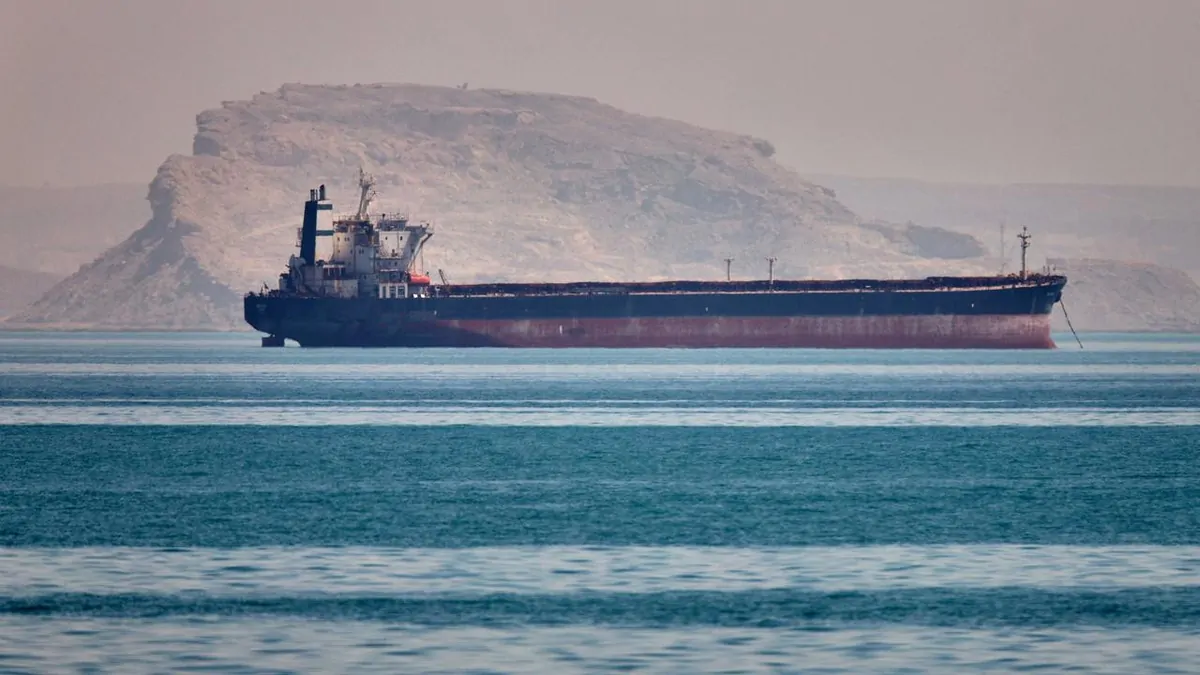
Still, the QatarEnergy-operated carrier al-Kharaitiyat passed safely through the strait and was heading for Pakistan’s Port Qasim, according to data from shipping analytics firm Kpler, the first Qatari vessel carrying liquefied natural gas to cross the strait since the US and Israel started the war on February 28.
Sources said earlier the transfer, which offered a modicum of relief to Pakistan after a wave of power blackouts caused by a halt to vital gas imports, had been approved by Iran to build confidence with Qatar and Pakistan, both mediators in the war.
In addition, a Panama-flagged bulk carrier bound for Brazil that had previously attempted to transit the strait on May 4, passed through, using a route designated by Iran’s armed forces, the Tasnim news agency reported on Sunday.
With US President Donald Trump due to visit China this week, there has been mounting pressure to draw a line under the war which has ignited a global energy crisis and poses a growing threat to the world economy.
But, despite diplomatic efforts to break a deadlock between the two sides and the passage of the Qatari gas tanker, the threat to shipping lanes and the economies of the region remained high.
On Sunday, the United Arab Emirates said it intercepted two drones coming from Iran while Qatar condemned a drone attack that hit a cargo ship coming from Abu Dhabi in its waters.
Kuwait said its air defences had dealt with hostile drones that entered its airspace.
Iran has largely blocked non-Iranian shipping through the Strait of Hormuz, which before the conflict carried one-fifth of the world’s oil supply and which has emerged as one of the central pressure points in the war.
Qatari Prime Minister Mohammed bin Abdulrahman al-Thani, who discussed Pakistan’s mediation efforts to end the war with US Secretary of State Marco Rubio in Miami on Saturday, told Iran’s Foreign Minister Abbas Araqchi that using the Strait of Hormuz as a “pressure tool” would only deepen the crisis.
He told Araqchi in a phone call that freedom of navigation should not be compromised, the Qatari foreign ministry said on Sunday, without specifying the exact date of the call.
Turkey’s foreign minister also spoke to Araqchi, an official in the Turkish foreign ministry said.