Synopsis: The global obesity drug boom is minting winners in unexpected places. As pharma giants race to supply GLP-1 therapies, two Indian manufacturers one making the device, another building the molecule could quietly capture a slice of a $100 billion market.
Most investors chasing the GLP-1 revolution are looking at Novo Nordisk and Eli Lilly. These are the companies whose drugs have redefined obesity treatment globally. But here is the thing about drug booms: the factories, the devices, and the supply chains behind the molecule often capture value just as durably and with far less discovery risk. India has two listed companies worth watching in this context. Neither is making the drug. Both could benefit meaningfully as the GLP-1 market scales toward $100 billion by 2030.
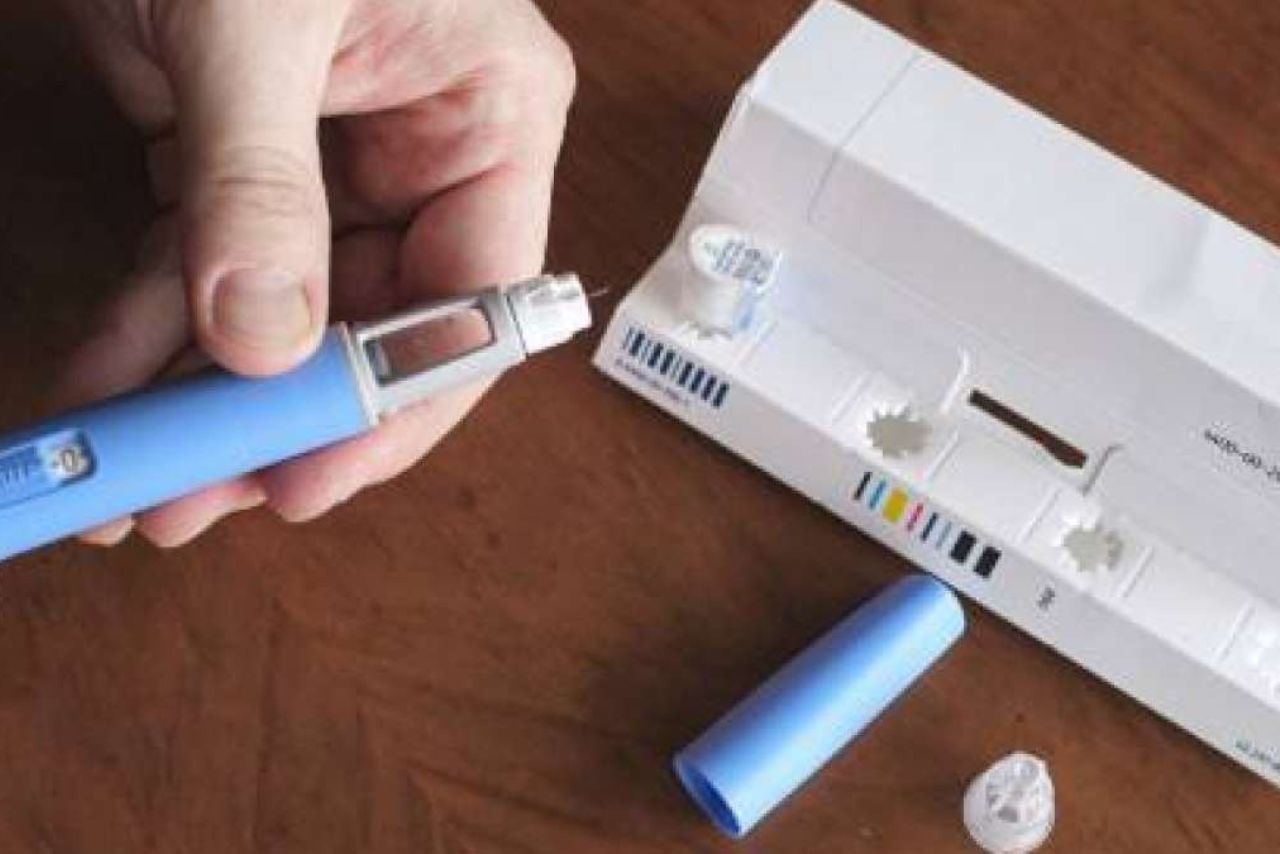
The first company is in precision engineering, not pharma. It manufactures pen injectors and auto-injectors, the delivery systems used in GLP-1 therapies for diabetes and obesity. No drug, no discovery risk. Just high-precision plastic components supplied to global healthcare companies. Shaily Engineering Plastics delivered returns of 21.83% over the last month and 65 percent in one year
This business has been transforming rapidly. In Q3 FY26, its healthcare segment grew 139% year-on-year, becoming the company’s largest growth engine. EBITDA margins expanded to 26.5% in Q3, and profit after tax for 9M FY26 more than doubled, up 101% to Rs 129.8 crore.
To meet that volume, the company is expanding aggressively. Current pen injector capacity stands at around 80 million units annually, with an additional 50 million units being added in India. A larger facility in Abu Dhabi, with a planned investment of Rs 300-350 crore and capacity of 75 million units, is expected by Q4 FY28. Importantly, 50-60% of the Abu Dhabi capacity is already backed by commitments reducing demand risk, though execution risk remains.
The stock trades at nearly 80x earnings, so the re-rating has already happened. What investors need to watch now is how far the growth story is, whether it has already factored in, and whether the earnings catch up to that valuation as capacity ramps up.
Key risks
Shaily’s biggest strength is also its biggest risk: nearly everything is now riding on one segment. The company’s strategy is increasingly concentrated on GLP-1 devices, making its revenue trajectory highly sensitive to this single market, creating substantial dependence on product cycles and evolving regulatory landscapes.
And if patients migrate from injections to pill-based GLP-1s over the next few years, the volume assumptions behind the Rs 300–350 crore Abu Dhabi facility could prove optimistic.
The second company is a different kind of play, a large-cap CDMO and API manufacturer with 25 years of custom synthesis experience. It does not make GLP-1 drugs either. But it has significant peptide chemistry capabilities, and peptide APIs are precisely what GLP-1 drugs are built from. Divi’s Laboratories delivered returns of 10.76% over the last month.
The company has highlighted its peptide API development and manufacturing capabilities, backed by investments in both solid and liquid phase synthesis platforms, the exact technologies required for complex molecules like semaglutide. As semaglutide patents expire in key markets, companies focused on active pharmaceutical ingredients stand to benefit from new outsourcing opportunities.
This is not a pure-play GLP-1 bet. It is a capabilities story. The company already earns a significant share of revenue from custom synthesis contracts with global innovators, multi-year, high-margin agreements. As GLP-1 innovators and biosimilar players scale supply chains globally, established Indian CDMOs with regulatory-clean facilities and peptide expertise become natural partners.
Key risks
For Divi’s, the core risk is simply that the GLP-1 story is still in the potential stage, not revenue. Management has not confirmed any named GLP-1 contracts, and new custom synthesis deals are unlikely to generate meaningful income before late 2026 or early 2027. There is also a key heart failure drug that contributes significantly to custom synthesis revenue, which faces patent expiry in 2026, meaning GLP-1 may end up replacing lost income rather than adding to it. The opportunity is genuine, but it remains on the horizon.
Market Insight
Both stocks offer real exposure to the GLP-1 wave, but the theme alone is not enough to make an investment case. For Shaily, the stock has already surged over 16% in a week the narrative is priced in, and execution on contracts, production line qualification, and Abu Dhabi timelines will drive the stock from here. For Divi’s, GLP-1 is one of several growth levers, not the whole story. In both cases, investors entering now are betting on execution, not discovery. Quarterly updates and contract disclosures matter more than the macro tailwind at this point.
Disclaimer: The views and investment tips expressed by investment experts/broking houses/rating agencies on tradebrains.in are their own, and not that of the website or its management. Investing in equities poses a risk of financial losses. Investors must therefore exercise due caution while investing or trading in stocks. Trade Brains Technologies Private Limited or the author are not liable for any losses caused as a result of the decision based on this article. Please consult your investment advisor before investing.