4 min readLucknowApr 28, 2026 08:38 PM IST
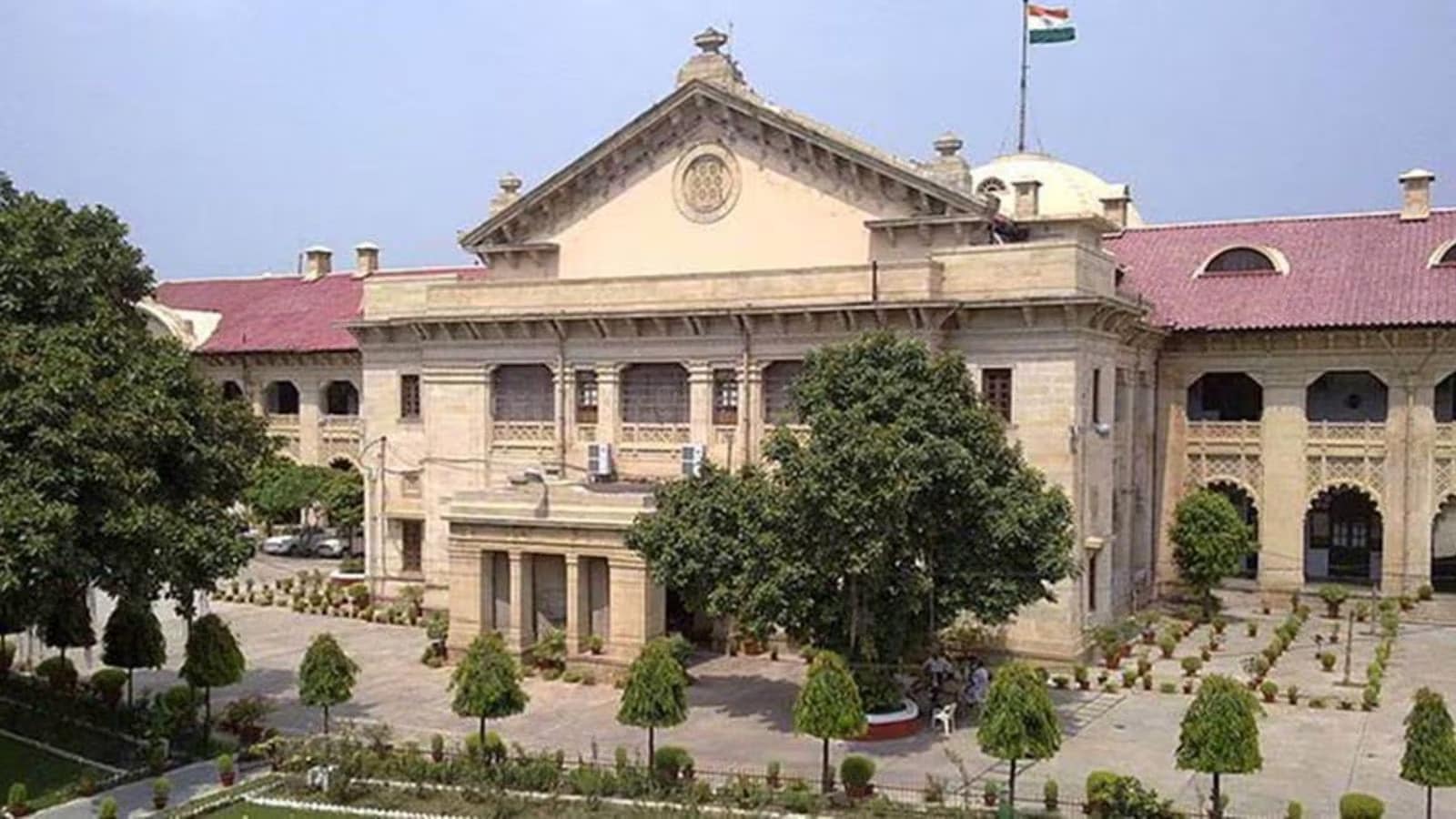
The Allahabad High Court has dismissed a petition of some members of the kinnar (transgender) community seeking directions to the Uttar Pradesh government for demarcation of a defined territory for collection of badhai (customary offerings) in order to stop confrontation with other groups.
A division bench of Justices Alok Mathur and Amitabh Kumar Rai, in an April 15 order, stated, “Extraction of money from any individual willfully or otherwise cannot be permitted and any citizen of this country can be directed to pay only such amounts of tax, cess or fee which can be legitimately extracted from such individuals in accordance with law.”
“In any view of the matter such extraction of money cannot be legitimized and the prayer made in the writ petition cannot be accepted. In case any indulgence is shown in the respect of the petitioner there may be several other persons / gangs which may be operating and making illegal extraction/extortion from individual and such illegal extraction has never been sanctioned by law in this country and such extraction is an offence under the Bharatiya Nyaya Sanhita,” the court observed.
Earlier, a kinnar group from Gonda district had filed a petition stating they have been following the traditional custom of collecting badhai (customary offerings/gifts the kinnars collect on auspicious occasions) in a defined territorial jurisdiction for a number of years.
Their counsel submitted that there are some kinnar groups in the district who encroach upon others’ territorial jurisdictions, causing confrontations and enmity. The counsel also cited incidents of “murderous assaults and fights causing grievous injuries to the members of the community”.
The petitioners called for the protection of fundamental rights under Article 14, 19 and 21 of the Constitution to carry on their task of collection of offerings without fear of violence, seeking direction to the government/Home Department to demarcate and declare their territorial jurisdictions in the Colonelganj area of Gonda.
After hearing the submission, the bench said the first issue that arises is whether the petitioners have any fundamental right to collect badhai and can such a right be protected by the courts. Secondly, the court said, whether giving such a permission to the petitioners will amount to granting legitimacy to collecting badhai.
Story continues below this ad
The petitioner’s counsel argued that they have been making such collections for a number of years and has become a “customary right” which ought to be protected.
The bench stated, “Needless to say there is no legitimate or legal backing permitting any person or individual from collecting/extracting any money, tax, fee or cess from any individual except in accordance with law. Such rights as sought by the petitioner are not recognized by law and accordingly the courts in its power under Article 226 of the Constitution of India cannot legitimize the acts of the petitioner without there being any backing of law.”
“We have noticed that even as per the provisions of the Transgender Persons (Protection of Rights) Act, 2019 no such right has been sought to be protected though in the said Act the transgender person was assigned to determine his/her gender. A new bill of 2026 is under consideration of Parliament of India which is a major departure from the Act of 2019 with regard to determination of gender of an individual. For the aforesaid reasons, the writ petition is devoid of merit and is accordingly dismissed,” the court added.
Expand
© The Indian Express Pvt Ltd