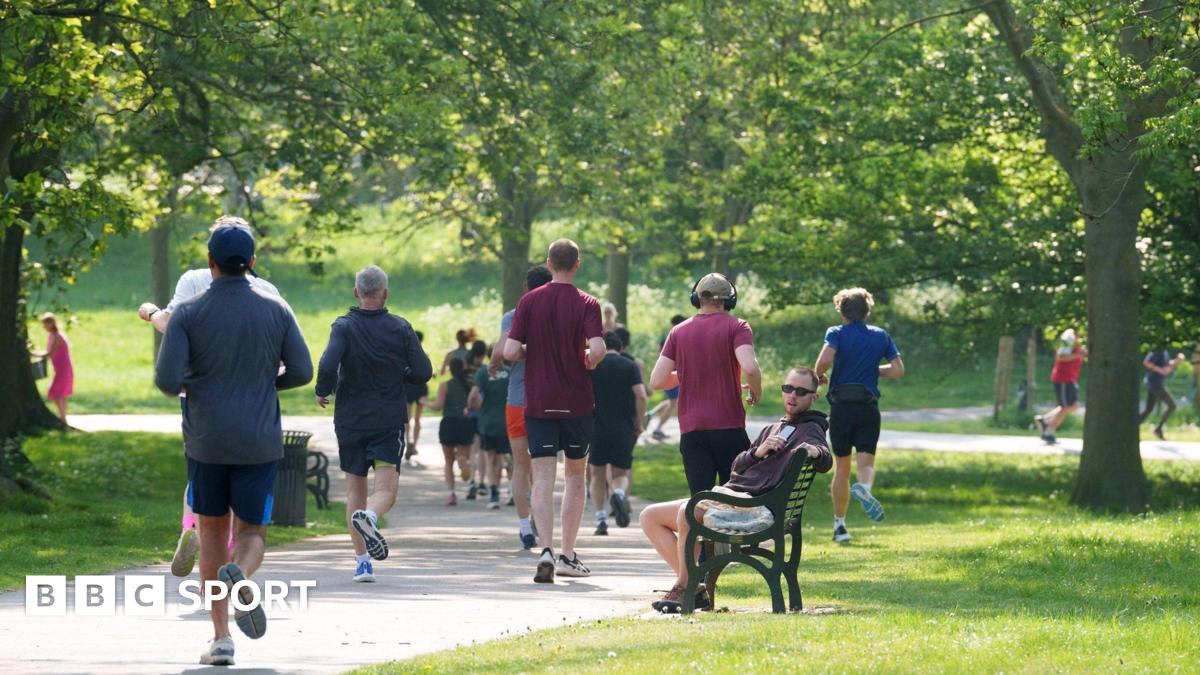
Record numbers of people in England are playing sport or taking part in physical activity, according to a survey by grassroots funding agency Sport England.
The findings – which cover the period from November 2024 to November 2025 – suggests that 64.4% of adults are meeting the chief medical officer’s recommended guidelines of 150 minutes of weekly physical activity.
This is the highest level on record, with an estimated increase of 859,000 adults compared to the previous year’s Active Lives data.
Sport England says running and taking part in gym and fitness activities are growing in popularity, while team sports are almost back to the levels seen nine years ago, and swimming numbers have stabilised.
However, it also accepts that “stubborn inequalities persist” with black and Asian people, older adults, those living with disabilities & people on lower incomes less likely to be active. Women are also less likely to be active than men.
Sport England Chief Executive Simon Hayes said: “It’s great to see continued growth in the number of people taking part in physical activity, with more adults than ever enjoying the benefit of playing sport and moving, but today’s report also shows this progress is still not being felt equally.”
Minister for Sport Stephanie Peacock said the government was “taking a place-based approach to sport funding to make sure the right facilities reach the right communities”.
She added: “We’re backing that with £250m through Sport England to reach local places with the highest levels of inactivity and at least £400m into multi-sport community facilities.”
Earlier this week however a parliamentary report concluded that funding for school and community sport “is insufficient and increasingly unstable”.
MPs on the Culture, Media and Sport Committee highlighted “limited facilities and an absence of national co-ordination that prevents the system from operating effectively”.
Their report claimed that “while demand, particularly from women and girls, is rising, facility provision is declining due to closures, ageing infrastructure and uneven availability”.