3 min readBengaluruApr 21, 2026 05:52 PM IST
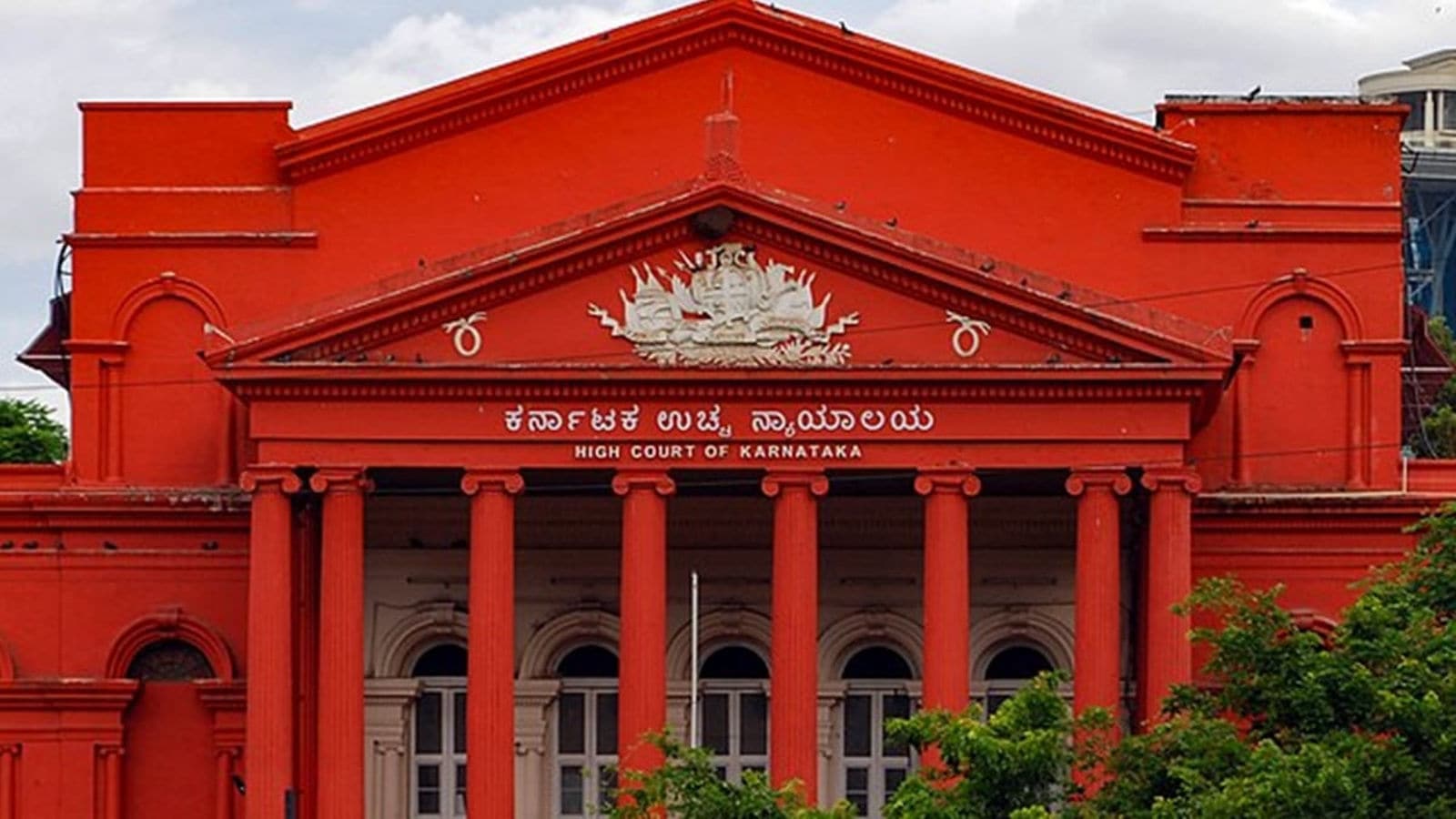
The Karnataka High Court has permitted insurance policyholders to engage advocates before the insurance ombudsman while questioning the denial of a claim by an insurance company.
Justice Sachin Shankar Magadum said in an order on March 27, “Fairness in adjudication demands that a party who is otherwise handicapped in presenting his/her case be permitted to avail expert assistance.”
The court highlighted that insurance policyholders may not necessarily be a person well versed in law or procedure; they may be an illiterate villager, a widow who is a homemaker with no independent exposure to legal or technical matters, or a lay consumer unfamiliar with the nuances of insurance contracts and medical documentation.
The court said, “To expect such a claimant to effectively present his or her case involving interpretation of policy terms, exclusions, medical records and causation, without the aid of professional assistance, would be wholly unrealistic and would, in effect, amount to denial of meaningful opportunity of hearing.”
M V Narasimha Prasad, a 54-year-old Bengaluru resident, approached the high court after the ombudsman rejected his application to engage an advocate. The ombudsman held that proceedings before it are intended to be informal and non-adversarial and that neither the ombudsman nor representatives of the insurance company are legally trained. Therefore, permitting legal practitioners would disturb the parity between the parties.
The court referred to Rules 15, 16, 17 of the Insurance Ombudsman Rules 2017 and emphasised that proceedings before the ombudsman are intended to be summary and consumer-friendly and that the moment a dispute travels beyond the stage of mediation and enters the realm of adjudication, the character of the proceedings assumes a quasi-judicial complexion.
The court opined that section 30 of the Advocates Act, which confers a statutory right on advocates to practise before any tribunal or authority empowered to take evidence, would apply.
Story continues below this ad
Justice Magadum then said, “In such circumstances, particularly in cases involving repudiation of insurance claims founded on interpretation of policy conditions, medical records and technical evidence, denial of legal assistance to a claimant would seriously prejudice his ability to effectively present his case.”
The order added, “Rule 17(1) necessarily implies that the parties must be afforded a meaningful opportunity to substantiate their claims, and such opportunity, in appropriate cases, would include the right to seek assistance of a legal practitioner.”
The court thus quashed the intimation issued to Narasimha and permitted him to be represented by an advocate before the ombudsman.