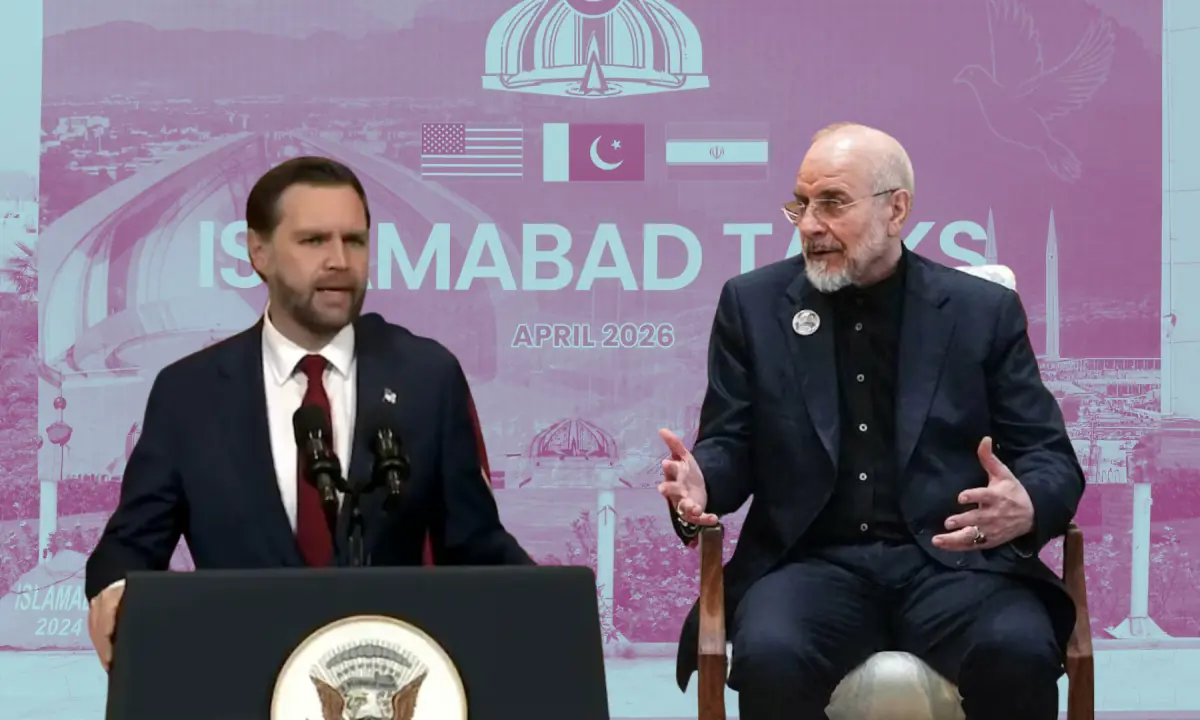
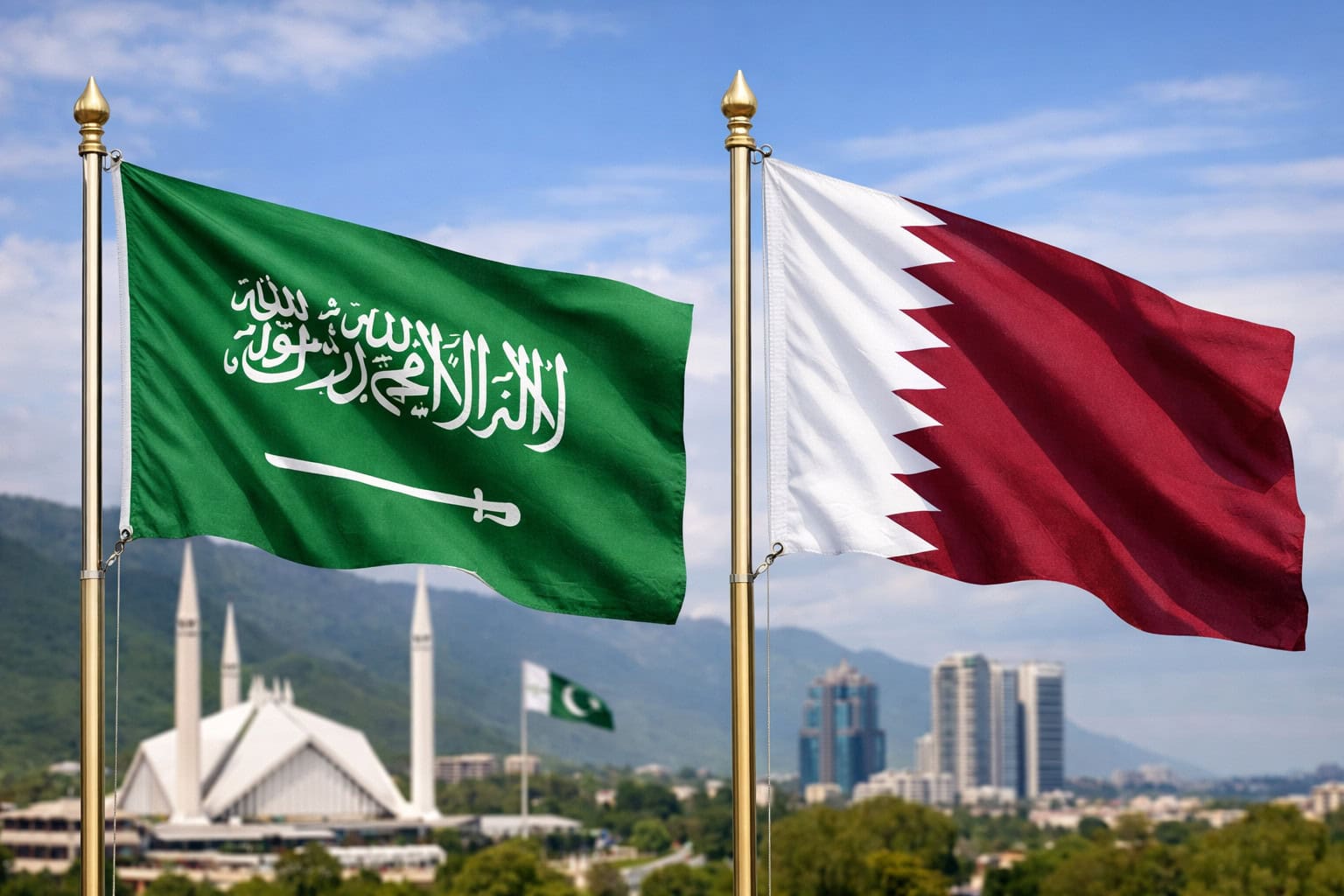
While Pakistan wrapped up high-level US-Iran ceasefire talks in Islamabad today, India has made an attempt to project diplomatic visibility through a little engagement in the Gulf to stay relevant.
India’s External Affairs Minister Subrahmanyam Jaishankar met UAE President Mohamed bin Zayed Al Nahyan in Abu Dhabi. He thanked the Emirati leadership for ensuring the safety and welfare of Indian nationals during the Gulf War.
In a statement issued after the meeting, Jaishankar emphasised strengthening the India-UAE relationship and expanding cooperation across economic and security sectors. Indian officials described the visit as part of ongoing diplomatic engagement with key Gulf partners.
The timing, however, has drawn attention. Islamabad recently emerged as a focal point for indirect dialogue between Washington and Tehran. This elevated Pakistan’s diplomatic profile to the disappointment of some of its adversaries in the region.
India was completely isolated from the talks despite longstanding political, economic and energy ties across the Middle East.
Many bloggers on X opined that New Delhi’s outreach to Abu Dhabi reflects an effort to remain diplomatically relevant in a rapidly shifting regional landscape where negotiations are unfolding without Indian participation.
Maintaining visibility with Gulf leadership allows India to highlight its strategic partnerships and reassure its people that they mean something.
UAE remains one of India’s most important regional partners, hosting millions of Indian workers and serving as a major trade and investment hub. The arab country remains somewhat shaken and disappointed with Pakistan for not inviting Al Nahyan to the US-Iran dialogue in Islamabad this weekend.
Almost a week ago, the Emiratis demanded that Pakistan return a $3.5 billion deposit after letting Islamabad retain it for almost 9 years. For Pakistan, this sum was often linked as a prerequisite for unlocking a series of financial bailouts from the International Monetary Fund over the years.