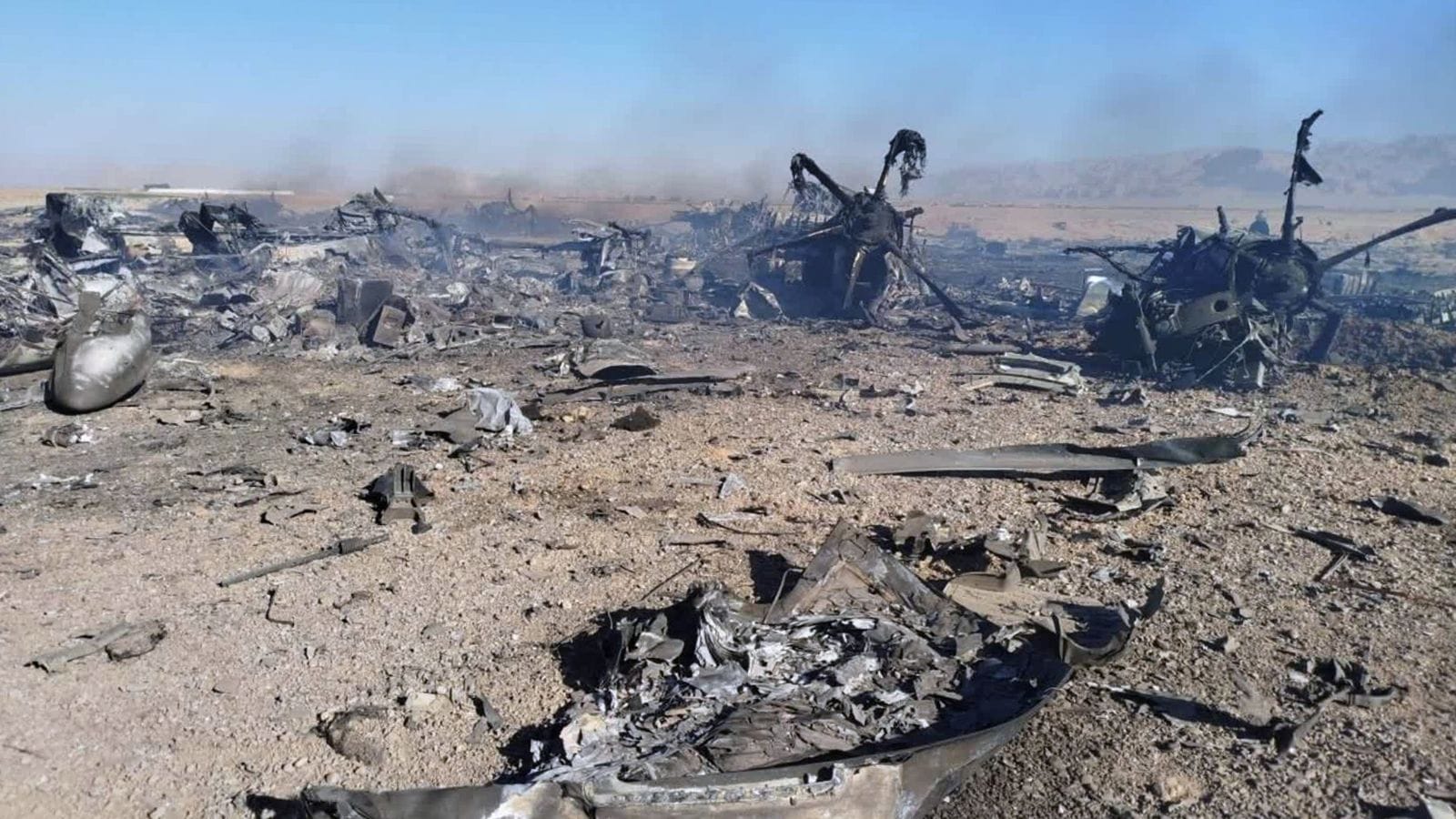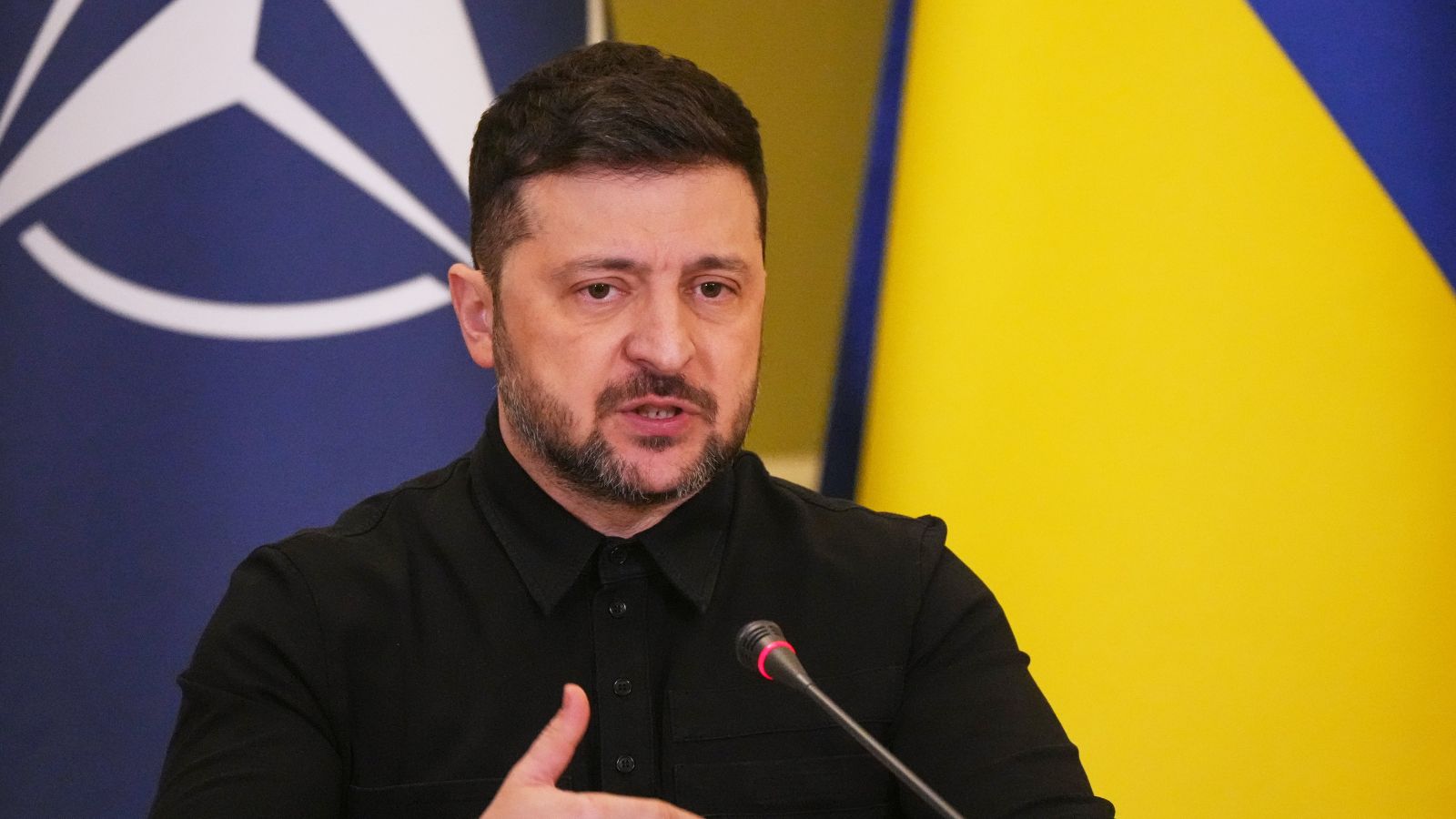
Ukrainian military personnel have shot down Iranian-designed Shahed drones in multiple West Asian countries during the Iran war, President Volodymyr Zelenskyy said. He described the operations as part of a broader effort to help partner countries counter the same weapons Russia uses in Ukraine.
Zelenskyy made his first public acknowledgement of the operations in remarks to reporters on Wednesday (released on Friday). He said Ukrainian forces took part in active operations abroad using domestically produced interceptor drones. “This was not about a training mission or exercises, but about support in building a modern air defence system that can actually work,” he said.
Ukraine carried out the operations before Iran, the United States and Israel reached a tentative ceasefire this week. Zelenskyy did not name the countries but said Ukrainian personnel operated across several nations and helped strengthen their air defence systems. He said Ukraine deployed 228 experts in the region.
We sent our military experts to the Middle East, including specialists in interceptor drones and electronic warfare. We demonstrated to some countries how to work with interceptors. Did we destroy Iranian “shaheds?” Yes, we did. Did we do it in just one country? No, in several.…
— Volodymyr Zelenskyy / Володимир Зеленський (@ZelenskyyUa) April 10, 2026
In return, Ukraine received weapons to protect energy infrastructure, along with oil, diesel and financial arrangements. “We are helping strengthen their security in exchange for contributions to our country’s resilience,” Zelenskyy said. “This is far more than simply receiving money.”
Easter truce
Zelenskyy said Ukraine will mirror any ceasefire steps after Russian President Vladimir Putin announced a temporary Easter truce, ordering forces to halt hostilities for 32 hours from 4pm Saturday to the end of Sunday.
Ukraine has repeatedly stated that we are ready for symmetrical steps. We proposed a ceasefire during the Easter holidays this year and will act accordingly. People need an Easter free from threats and real movement toward peace, and Russia has a chance not to return to strikes…
— Volodymyr Zelenskyy / Володимир Зеленський (@ZelenskyyUa) April 9, 2026
“We proposed a ceasefire during the Easter holidays this year and will act accordingly,” Zelenskyy said on X. “People need an Easter free from threats and real movement toward peace, and Russia has a chance not to return to strikes after Easter as well.” Previous ceasefire attempts have seen both sides accuse each other of violations.
Air defence and war pressure
Zelenskyy said partners continue to supply missiles for Patriot systems and confirmed the arrival of a new batch in recent days. He said Ukraine continues to work with partners to maintain air defence systems.
He said Ukraine will face pressure in spring and summer as political and battlefield conditions shift as the US will shift attention to its elections and domestic politics. He added that he urged US envoys Steve Witkoff and Jared Kushner to visit Kyiv and proposed a trilateral format with Moscow. He said US-led talks have not made progress on key issues. He added, “It is important that during this period there is sufficient pressure on Russia as well.”
If Russia chooses the path of de-escalation, then I believe a trilateral meeting will take place. They will try to hold it in April, May, or June. I think these are key months for them. And I believe it will be very difficult for us until September. In my view, the Americans will… pic.twitter.com/hqA87NS8YE
— Volodymyr Zelenskyy / Володимир Зеленський (@ZelenskyyUa) April 10, 2026
Sanctions, oil and strikes
Zelenskyy said he expects Western allies to restore full sanctions on Russian oil. He said any ease would allow Moscow to sustain its war effort and offload energy assets. He said Russia has profited from higher global energy prices after damage to oil and gas infrastructure in the Gulf and Iran’s blocking of the Strait of Hormuz.
He said Ukraine has increased strikes on Russian energy sites to cut oil revenues. He said partners asked Kyiv to scale back attacks during the disruption in the Strait of Hormuz. “I won’t say who asked us to do this. But partners did ask, it’s a fact. They asked at different levels, from political to military leadership,” he said.