Even by the standards of the irascible and unpredictable United States President Donald Trump, it has been a surreal few days.
In a flurry of Trumpian proportions, Mr Trump stood next to a giant Easter bunny and gave an upbeat assessment of the war with Iran as children prepared for an egg roll on the White House lawn, threatened to rain “hell” on Tehran if it did not make a deal to open the Strait of Hormuz and upped the ante by warning no deal would mean “a whole civilisation will die tonight”.
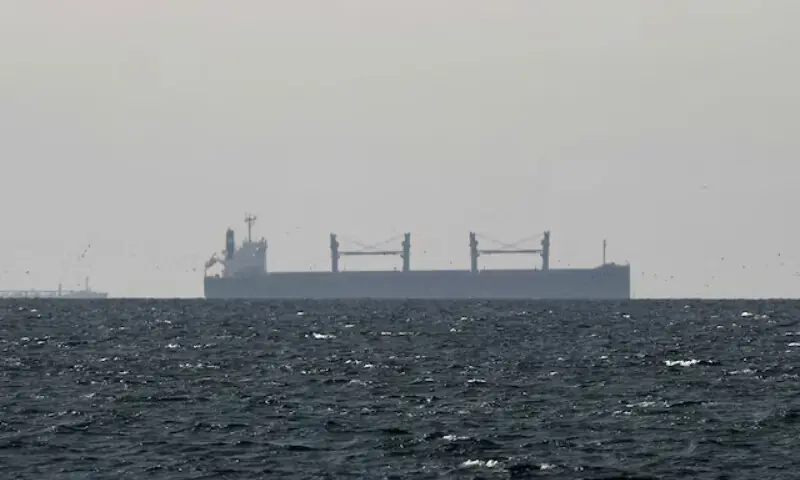
And then just before his deadline expired on Wednesday morning, Mr Trump declared he had agreed to a two-week ceasefire subject to Iran agreeing to open the Strait, through which 20 per cent of the word’s oil is transported.
Sign up to The Nightly’s newsletters.
Get the first look at the digital newspaper, curated daily stories and breaking headlines delivered to your inbox.
By continuing you agree to our Terms and Privacy Policy.
Iran said it accepted the ceasefire, though Iranian Foreign Minister Seyed Abbas Araghchi said the strait would reopen “via co-ordination with Iran’s armed forces”.
Clearly there remain many areas of uncertainty, and much work is to be done to nail down the details to prevent a return to hostilities while a total end to the war is negotiated. Hopefully cool heads will now prevail and the ceasefire holds.
It is a very welcome development in a war which has brought much of the global economy to its knees amid disruptions to oil supply chains and soaring prices.
Locally this has flowed into high prices at the bowser and some service stations running out of supplies.
The impact has flowed across the economy, including the farm sector amid concerns about diesel and fertiliser supplies for sowing and seeding season.
On Wednesday, Energy Minister Chris Bowen said while the number of stations without fuel was decreasing, Australia was “continuing to deal with very high demand for diesel”.
Australia is heavily reliant on Asian markets for refined fuels with only two domestic refineries remaining operational.
Singapore is the largest provider of petrol, supplying about 55 per cent of Australia’s domestic needs, while diesel is mostly from South Korea, Singapore and Malaysia.
China provides Australia with more than 30 per cent of the nation’s jet fuel.
Senior Federal Government figures have been ramping up contact with Asia to ensure supplies continue to flow.
Mr Bowen said he had spoken to his Malaysian counterpart overnight Tuesday to increase co-operation on energy.
Prime Minister Anthony Albanese said on Wednesday he had discussed regional energy security with China’s Li Qiang by phone.
Mr Albanese labelled his conversation with the Premier as “very constructive”.
The Prime Minister is set to fly to Singapore on Thursday for a meeting with Prime Minister Lawrence Wong to discuss securing trade in essential supplies.
This work needs to go on at full speed.
Even if all goes well over the next two weeks and the ceasefire turns into the end of the war, it will be some time before oil supplies return to sufficient levels to take some of the pressure off.