Council to consider banning E-Bikes and Mopeds from food delivery apps. “It makes me feel like I cannot raise my children in my own neighborhood,”
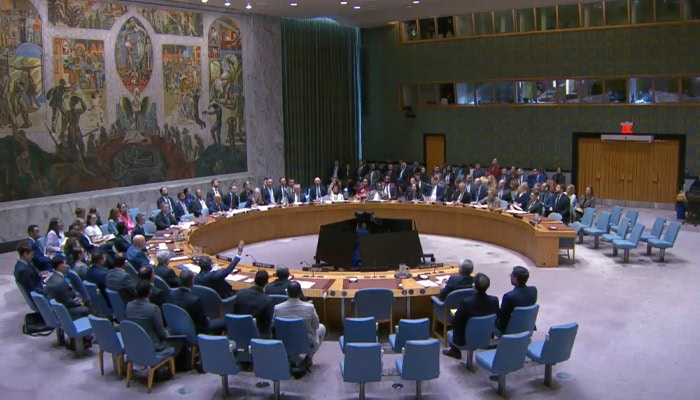
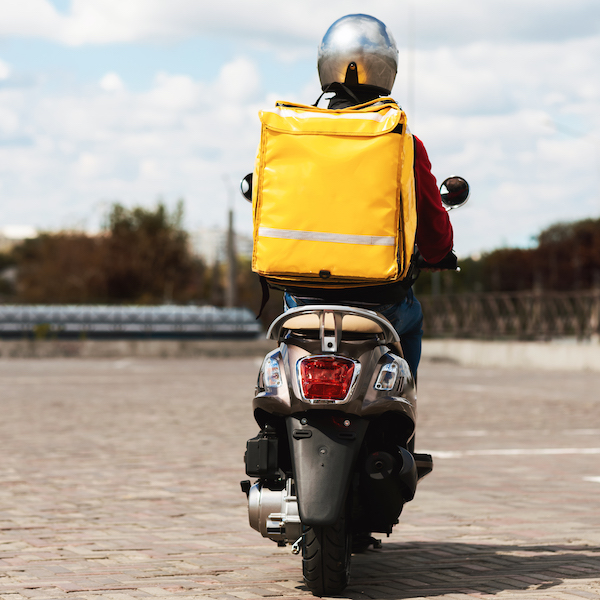
The City Council held a hearing on Tuesday while considering banning e-bike and moped riders from food delivery apps like DoorDash and Uber Eats.
“These large, big tech, third-party food delivery companies and the city encouraged workers to use mopeds to make these deliveries,” Flynn said. “Now across Boston, our streets are less safe with mopeds going through red lights, stop signs, on sidewalks, and the wrong way on one-way streets as they reportedly are incentivized to prioritize speed over safety for more assignments, higher ratings, and ultimately keeping their job.”
Flynn’s ordinance would amend last year’s Road Safety and Accountability for Delivery Providers, which would require delivery companies to have liability insurance coverage for all drivers using their platform, including those of e-bikes and mopeds, and share aggregate data on delivery trips
“I don’t believe this ordinance, as amended here, is the correct path for Boston,” said Councilor Sharon Durkan. “We also have a letter from the police department saying exactly the same thing.”
“Effective public safety depends on strong community relationships in addition to enforcement,” wrote Superintendent John M. Brown of the BPD Bureau of Field Services.
“The proposal to ban mopeds and scooters used for delivery presents potential challenges that could affect that balance. Officers would be required to make real-time determinations about whether an individual is actively engaged in delivery activity, which may not actively be visible. That creates a risk of inconsistent enforcement and may lead to interactions that community members may perceive as arbitrary or unfair.”
Community members voiced opinions on both sides of the issue, recognizing the need for new rules but differing on what they should be.
Carmen Blyden of the Boston Cyclists Union said the ordinance would disproportionately target immigrants and people of color who rely on this work to put food on the table. “These are already such hostile and economically challenging times for immigrants. We don’t need to make things worse by adding an additional economic barrier to one of the few accessible jobs for immigrants,” Blyden said.
Chase Duffin said that he believes councilors’ hearts are in the right place, but they are failing to grasp the consequences of the amended ordinance and are planning to make decisions without data. He said the voices of delivery drivers have been conspicuously absent from the conversation and that the ordinance will put more cars on the road, worsening traffic congestion and Boston’s public health outcomes.
“I’m not here to take anyone’s job,” said neighbor and mother of two, Lauren Flaherty-Rossi. “I’m here because I am scared to cross the street because of mopeds driving dangerously for food delivery.”
She added that she has not been able to make the nine-minute walk to the Boys & Girls Club without multiple close calls with delivery drivers. “It makes me feel like I cannot raise my children in my own neighborhood,” she said.
City Point Neighborhood Association president Luanne O’Connor said she supports the ban. “We had food deliveries prior to 2023; we actually went and got food, so this is a convenience issue. If you want food delivery, I’m sorry, councilors, but that should be in cars,” she said. “It is not punitive for anyone. What it is is addressing safety issues for everyone.”
Director of Parking and Curbside Management Mia Capone called the Road Safety and Accountability for Delivery Providers ordinance a decisive step toward street safety. “We believe the new requirements will meaningfully increase safe driving by delivery workers and allow the streets cabinet to better respond to the challenges created by the growing demands of delivery.”
She said the unamended ordinance was designed to address rising safety concerns. Instead of blanket-banning vehicle types, it would use a data-driven accountability model that requires quarterly reports from the apps. With that data, the city could identify hotspots and high-risk intersections for targeted deployment.
Capone said that her office is transitioning from permit applications to active enforcement of the unamended ordinance, and she is actively collaborating with the apps to meet its terms.
A vote on Flynn’s amended ordinance is scheduled for Wednesday, April 8. The Road Safety and Accountability for Delivery Providers ordinance goes into effect on Saturday, April 11.