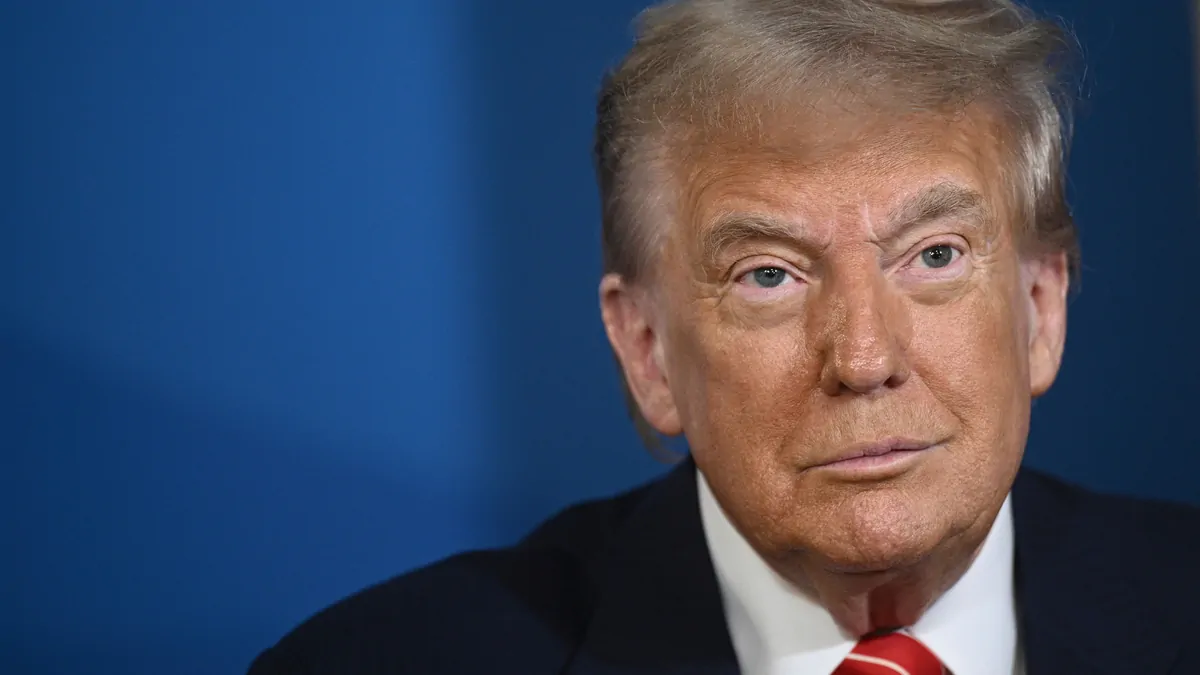
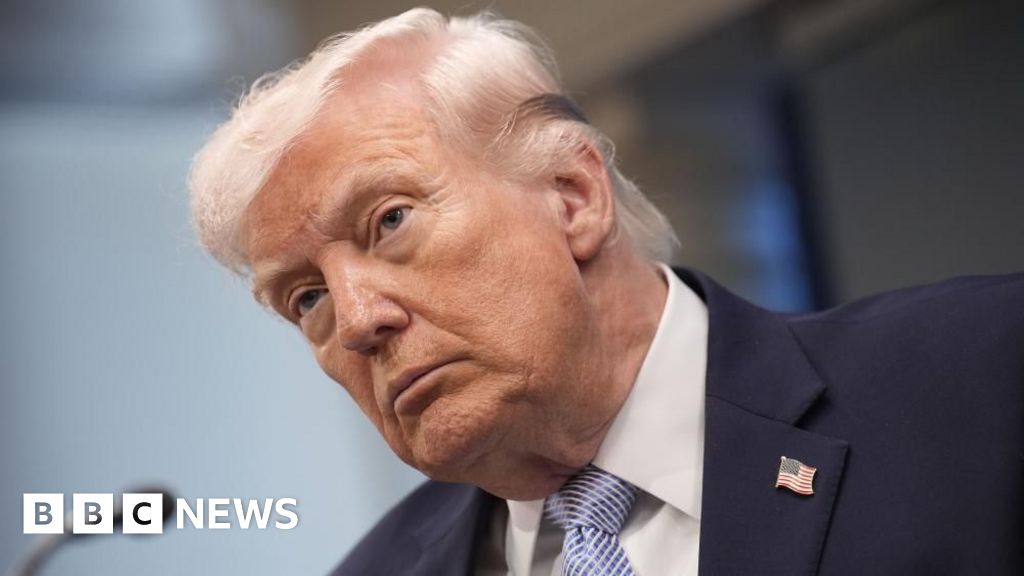
President Donald Trump said on Tuesday the United States had agreed to suspend bombing and other attacks on Iran for two weeks under a ceasefire proposal shaped by Pakistani mediation, in what he described as a chance to turn a temporary pause into a broader settlement.
Trump said the move followed contacts with Pakistani Prime Minister Shehbaz Sharif and Field Marshal Asim Munir, who urged him to hold back planned strikes, and was conditional on Iran agreeing to the complete, immediate and safe reopening of the Strait of Hormuz. He described the arrangement as a “double-sided” ceasefire.
He also said Washington had received a 10 point proposal from Iran that offered a workable basis for negotiations and that the two week window could allow a final agreement to be completed. Trump said most of the main points of dispute had already been narrowed.
Two White House officials said Israel had also agreed to the two-week ceasefire and to suspend its bombing campaign against Iran. Minutes after Trump’s announcement, however, the Israeli military said it had identified missiles launched from Iran toward Israel, underlining the fragility of the proposed pause.
Iran signalled conditional acceptance. Iranian Foreign Minister Abbas Araghchi, speaking on behalf of Iran’s Supreme National Security Council, said Tehran’s armed forces would stop their defensive operations if attacks on Iran were halted. He also said safe passage through the Strait of Hormuz would be possible for two weeks in coordination with Iran’s armed forces and subject to technical limitations.
Iran said Pakistan had informed Tehran that the United States had accepted Iran’s 10-point plan as the basis for negotiations. Iranian and US talks are due to begin in Islamabad on Friday, with the initial negotiating period set at two weeks and extendable by agreement between the parties.
Iran also said Pakistan had informed Tehran that Washington accepted Iran’s 10 point plan as the basis for negotiations. According to the Iranian position, talks with the US will begin in Islamabad on Friday, April 11, and continue for two weeks, with a possible extension if both sides agree. Tehran said this would not amount to the end of the war unless the details of the plan are fully settled in negotiations.
Tehran made clear that the negotiations would not by themselves amount to an end to the war. Iranian statements said any final settlement would depend on the details of the 10-point plan being agreed, while warning that Iran remained ready to respond forcefully to any renewed attack.
The announcement capped a sharp reversal after Trump had earlier warned Iran of devastating consequences if no deal was reached by his deadline for reopening the waterway. Pakistan had emerged as the main channel between Washington and Tehran in the last round of diplomacy, with Reuters previously reporting that proposals exchanged through Islamabad envisioned an immediate ceasefire followed by a wider accord.
The Strait of Hormuz handles about one-fifth of global oil shipments, making any reopening central not only to the ceasefire but also to energy markets already shaken by the conflict. Trump said he believed the pause could lead to a longer-term peace agreement with Iran and greater stability in the region.