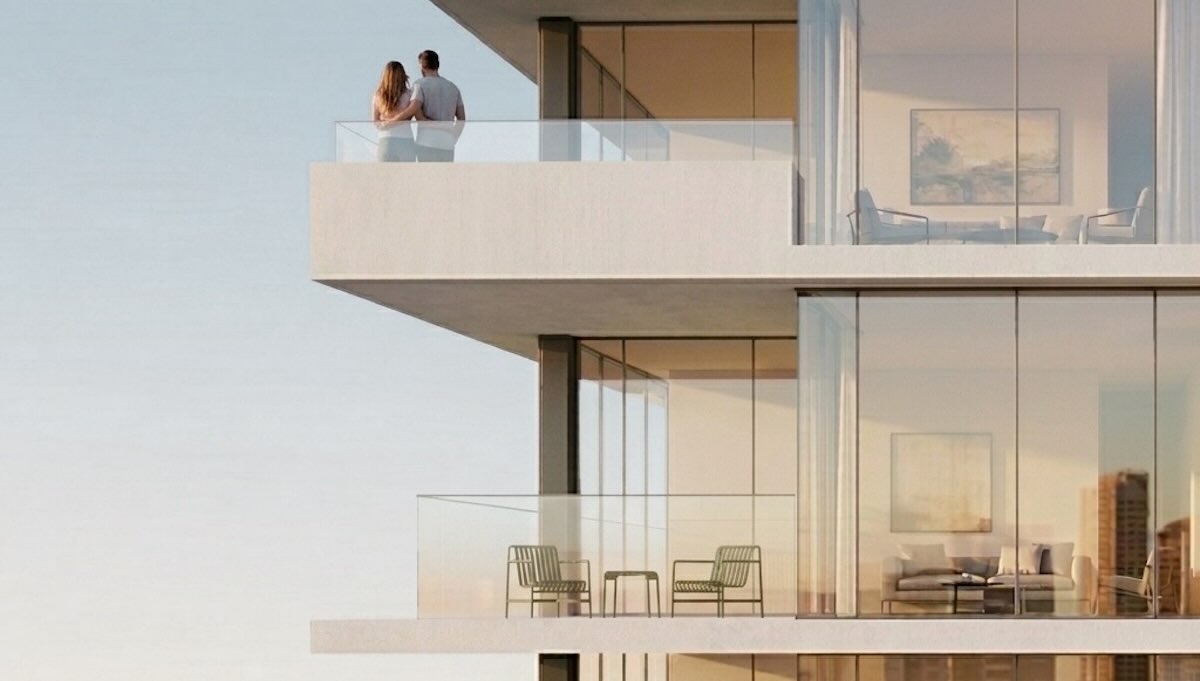
Glenelg’s skyline is officially heading higher, with planning consent now granted for an 18-storey tower at 15 Colley Terrace that would become the beachside suburb’s tallest building. The proposal was approved by South Australia’s State Commission Assessment Panel at its March 11 meeting, although further reserved matters still need to be resolved before full development approval is finalised.
Led by Karidis Corporation, the mixed-use project is slated for a prominent site just back from the sand, opposite Colley Reserve and moments from Glenelg Beach. The development has been positioned as the next stage of the nearby Avista Glenelg retirement living village, adding another major piece to the fast-changing Colley Terrace strip.
The tower will pack a lot into its footprint. Plans include a ground-floor restaurant, five levels of serviced apartments, seven levels of retirement living apartments, two penthouse dwellings, four levels of above-ground parking and a basement car park. In total, the proposal delivers 106 apartments, along with a publicly accessible walkway through the ground floor linking Colley Terrace with Durham Street.
It is a big step up from what the zone typically anticipates. Planning documents note the site sits in an area with a preferred maximum of 12 levels or 43 metres, while this proposal pushes beyond that by six levels and 17.3 metres. Even so, senior planning officer for the state Joanne Reid recommended approval, finding the building would “positively respond to the local context” and would not create unreasonable impacts on nearby land uses.
“It is acknowledged that this will be the tallest building in Glenelg and therefore requires significant justification to warrant such an uplift in the built form within the context of its setting,” she advised.
“The proposed height is the culmination of offering a sensible number of short- and long-term accommodation options, while offering a high level of amenity and a quantum of car parking that avoids placing additional pressure on the surrounding local street network.”
Support from the state’s design and planning bodies helped clear the way. The Government Architect backed the proposal, including the overall height and what was described as the project’s “bold” podium design.
The proposal did attract community scrutiny during public notification, with nine representations received, including seven in opposition and two in support with concerns. Objections centred on height, traffic, overlooking, parking pressure and the visual dominance of the tower in its setting. But in the end, SCAP determined the development was not seriously at variance with the Planning and Design Code and granted planning consent.
For Glenelg, the decision signals more than just another apartment project. It marks a major shift in how one of South Australia’s best-known seaside precincts may continue to grow, with taller, denser development now pushing further into a skyline long defined by mid-rise coastal buildings.
While planning consent has now been granted, several details still need to be finalised before construction can begin, but it is set to be completed within three years.