NSW’s peak healthy body has issued an urgent warning for Sydneysiders to protect themselves against a “concerning” mosquito-borne virus after it was detected ahead of the Easter holidays.
The Easter long weekend ahead, school holidays and a recent increase in Ross River virus in Sydney has health experts warning people to be extra wary of this buzzkill: mosquitoes.
The warning was issued by NSW Health after recently monitored mosquito trappings in parts of Greater Western Sydney found Ross River virus activity.
Sign up to The Nightly’s newsletters.
Get the first look at the digital newspaper, curated daily stories and breaking headlines delivered to your inbox.
By continuing you agree to our Terms and Privacy Policy.
The viral infection, spread by mosquitoes, has no current cure and can cause a range of symptoms.
“The Ross River virus activity recently detected in greater Sydney is particularly concerning because of the density of the population, so with many people planning to be outdoors, we are encouraging them to take the necessary precautions not to get bitten.” executive director of health protection at NSW Health, Dr Kerryn Coleman, said.
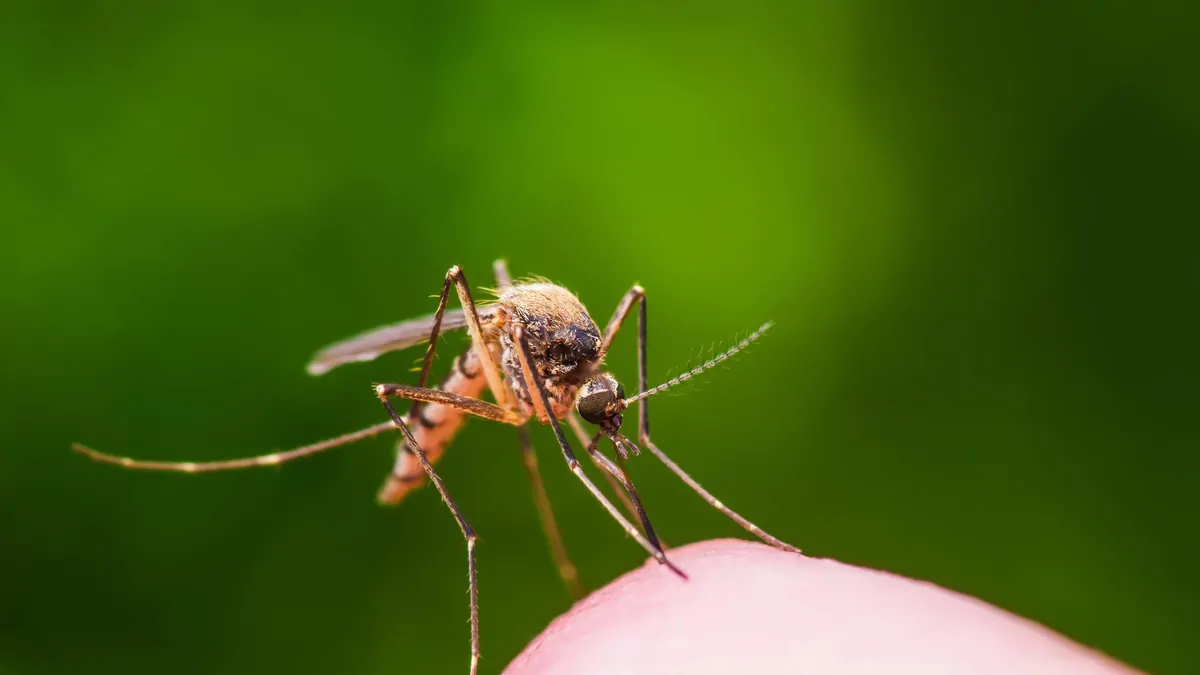
Sydneysiders have been warned of a “concerning” virus detected in this common, annoying insect this easter long weekend. WHO Credit: Supplied
Some who contract the infection don’t feel sick at all, and others can have long lasting and serious symptoms such as muscle pain, fever, joint pain and swelling in the wrists, arms and knees as well as fatigue.
Even with the summer season over, mosquitoes are expected to linger with Sydney’s warm and wet weather conditions, Dr Coleman said.
“The Easter long weekend and the school holidays are a time when many people travel, spend time outdoors, and take part in activities like camping and visiting parks, which can increase the risk of exposure to mosquitoes and mosquito bites,” she said.
This latest concerning discovery comes after two other virus activity was detected in inland NSW earlier this year, the Japanese encephalitis virus and Barmah Forest virus.