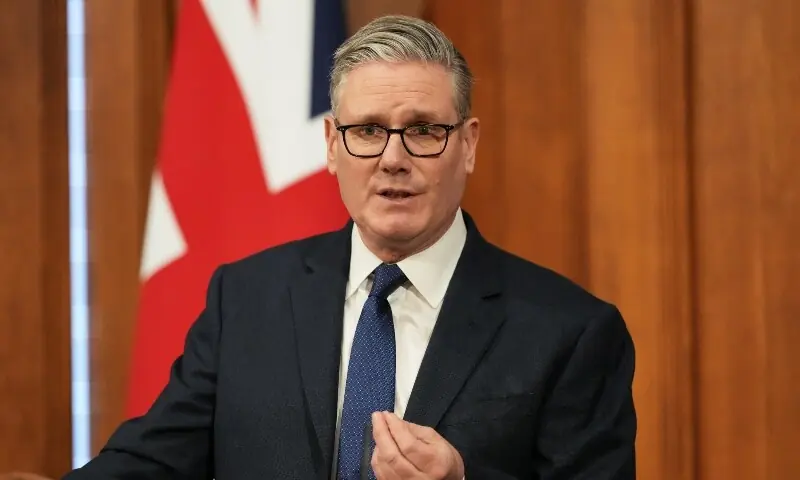
LONDON: Britain will this week hold a meeting of about 35 countries to discuss how to reopen the strategic Strait of Hormuz which has been crippled by the Middle East war, Prime Minister Keir Starmer announced on Wednesday.
British Foreign Secretary Yvette Cooper will host the discussions, Starmer told reporters during a Downing Street press conference, without specifying the day of the talks.
The meeting will “assess all viable diplomatic and political measures that we can take to restore freedom of navigation, guarantee the safety of trapped ships and seafarers and resume the movement of vital commodities”, Starmer said.
“Following that meeting, we will also convene our military planners to look at how we can marshal our capabilities and make the strait accessible and safe after the fighting has stopped,” he added.
Starmer says Britain must focus on closer ties with Europe to undo some ‘deep damage’ done by Brexit
The discussions will include countries which recently signed a statement saying they were ready “to contribute to appropriate efforts to ensure safe passage through the Strait of Hormuz”, the prime minister added.
France, Germany, the Netherlands, Italy, Japan, Australia, South Korea, Canada and the UAE are among the countries which will attend the talks, according to a government statement.
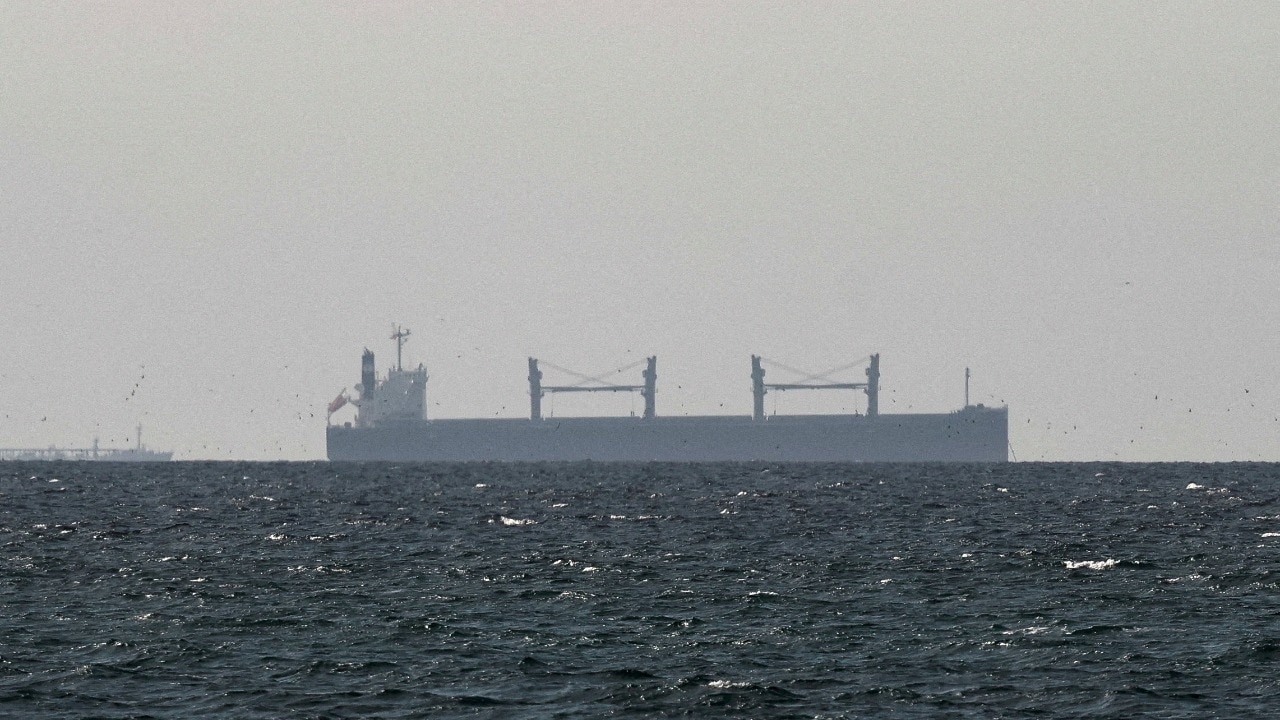
Iran has virtually closed the vital strait in response to the US-Israeli war on Iran, causing global oil and gas prices to soar.
“I do have to level with people on this. This (reopening) will not be easy,” Starmer said.
Virtual meeting
Foreign Secretary Yvette Cooper would host a virtual meeting of the group on Thursday to assess diplomatic and political measures to reopen the Strait “after the fighting has stopped”, Starmer said.
A British official said it was expected that any first phase would focus on mine-hunting, followed by a second phase to protect tankers crossing the area.
In his media talk, the UK PM also backed Nato following renewed criticism of the eight-decade-old alliance by US President Donald Trump. “Nato is the single most effective military alliance the world has ever seen, and it has kept us safe for many decades, and we are fully committed to Nato,” the premier said.
Trump told Britain’s Telegraph newspaper in an article published on Wednesday that Nato was a “paper tiger”.
Asked whether he would reconsider US membership, he replied: “Oh yes, I would say (it’s) beyond reconsideration,” the paper reported.
Last month, Trump told the Financial Times that it would be “very bad for the future of Nato” if members fail to help reopen the vital waterway.
On Tuesday, he said that countries which have not joined the war, but are struggling with fuel shortages, should “go get your own oil” in the Strait of Hormuz, adding that the US would not help them.
Ties with Europe
About ties with Europe, the British prime minister said the global instability caused by the Iran war means Britain should pivot to focusing on closer economic and defence ties with Europe, following repeated criticism from President Trump.
Starmer said building stronger relations with Europe would be at the centre of a summit with the European Union in the summer, as he warned the consequences of the Iran war would last for a generation. “It is increasingly clear that as the world continues down this volatile path, our long-term national interest requires closer partnership with our allies in Europe,” he said.
Trump has repeatedly insulted Starmer, calling him cowardly because of his reluctance to join the US war on Iran, saying he was “No Winston Churchill”.
Starmer had initially denied a request from the US to attack Iran from two British bases, but later agreed to allow what he calls defensive missions aimed at protecting residents of the region, including British citizens.
He then said he saw his country’s future being more aligned with Europe and it was necessary to undo some of the “deep damage” done by Brexit. While he called for an “ambitious” reset in relations, he ruled out rejoining the EU’s customs union or its single market.
The opposition Conservative Party criticised the prime minister, saying he was trying to “reopen the old wounds of the Brexit years”, while the populist Reform UK party said he should have announced measures to reduce energy prices.
Published in Dawn, April 2nd, 2026