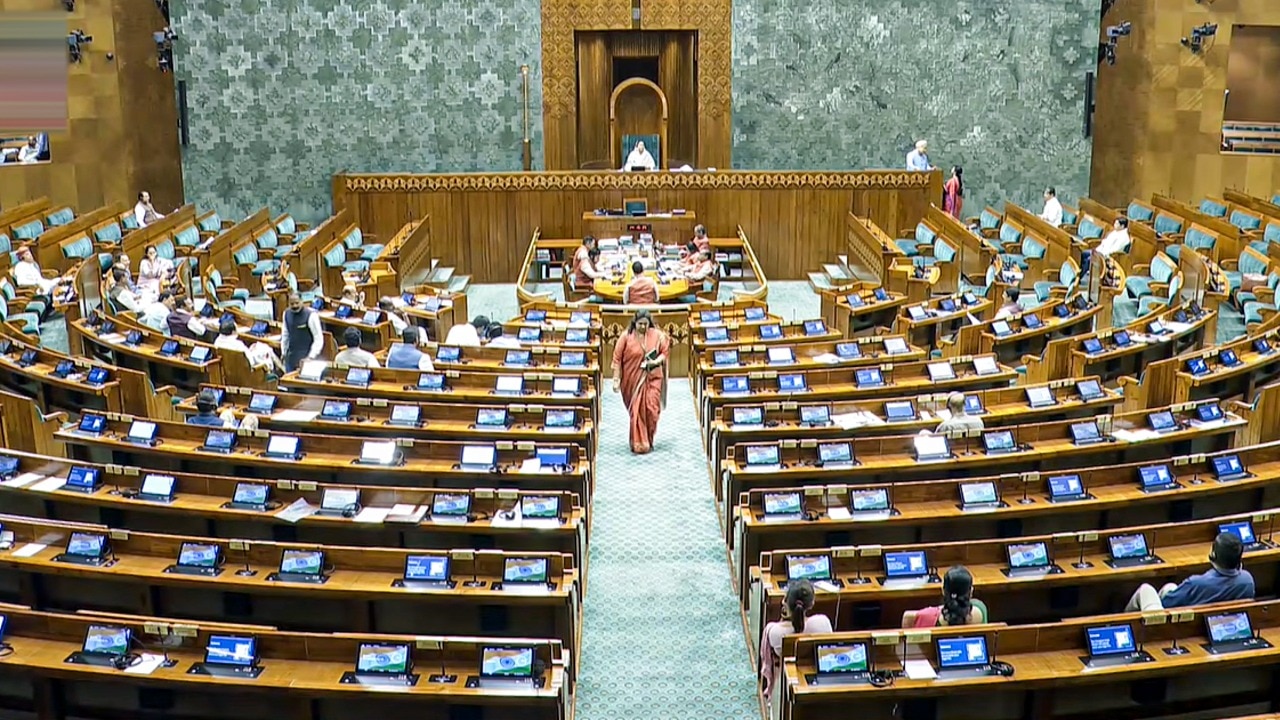
The Lok Sabha on Tuesday passed The Transgender Persons (Protection of Rights) Amendment Bill, 2026. The bill seeks to amend the existing 2019 law by redefining who qualifies as a transgender person, introducing stricter punishments for offences, and setting up a system for identity certification.
The bill has triggered a sharp political divide, with the government defending it as a step towards clearer protections and the Opposition calling it “regressive” and unconstitutional.
Read Full Story
WHAT GOVT SAYS
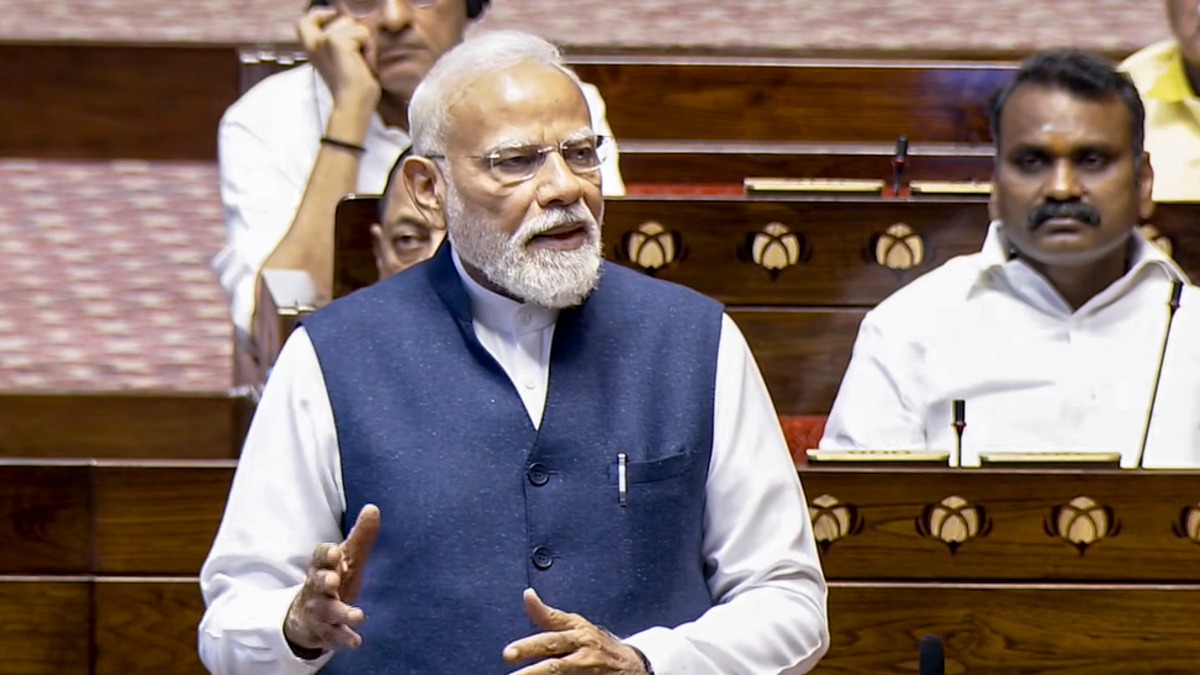
Replying to the debate, Social Justice and Empowerment Minister Virendra Kumar said the amendment is aimed at ensuring that “only those who face social boycott due to biological issues” receive protection under the law.
He argued that a more precise definition was needed so that benefits reach the intended community.
“To ensure that transgender persons can avail themselves of the benefits of this Act, it was necessary to provide a precise definition,” Kumar said.
The bill introduces graded punishments based on the severity of harm caused, increasing the maximum jail term from two years under the 2019 law to up to 14 years in serious cases of offences against the transgender persons.
It also provides for:
- A medical board to help determine identity where required
- District magistrates issuing identity cards to transgender persons
- A defined list of identities such as kinner, hijra, aravani, jogta, eunuchs, and persons with intersex variations
The government maintains that the intent is to protect a “specified class of persons” who face “extreme and oppressive” discrimination.
One of the most debated provisions is the bill’s attempt to clearly define “transgender” while excluding people with different sexual orientations and self-perceived gender identities from its scope.
The bill states that identification cannot be based solely on “personal choice or claimed self-perceived identity”, arguing that the law’s benefits should not be extended to categories beyond its original intent.
OPPOSITION RAISE CONCERNS
Opposition parties strongly objected, saying the bill undermines the right to self-identification recognised by the Supreme Court. Congress MP Jyothimani criticised the government for not consulting the transgender community and called the move “callous”.
“This is not democracy but a monologue of power,” she said, arguing that dignity, identity and autonomy are protected under constitutional rights.
Samajwadi Party MP Anand Bhadauria questioned the government’s intent, pointing to protests by members of the community. “If the bill is for their welfare, why are they opposing it on the streets?” he asked.
DMK’s T Sumathy termed the legislation “draconian” and accused the government of interfering with the right to self-determination.
Several Opposition members demanded that the bill be sent to a parliamentary standing committee for wider consultations, but their amendments were rejected by voice vote before the bill was passed.
Leader of Opposition Rahul Gandhi ALSO launched a strong attack on the legislation, calling it a “brazen attack on the Constitutional rights and identity of transgender people”.
In a statement, he said the bill strips transgender people of their ability to self identify, violates a Supreme Court judgment, and forces trans people to undergo dehumanising examinations by a medical board.
He also accused the government of failing to consult the community and said the bill “stigmatises rather than protects” transgender persons.
“The Constitution protects every Indian’s right to life, liberty, identity and dignity… The Congress party unequivocally opposes this bill,” Gandhi said.
WHAT HAPPENS NEXT
With the Lok Sabha’s approval, the bill now moves to the Rajya Sabha for consideration.
If passed, it will significantly reshape how transgender identity is defined and regulated under Indian law.
– Ends
(With inputs from PTI)
Published On:
Mar 24, 2026 20:12 IST