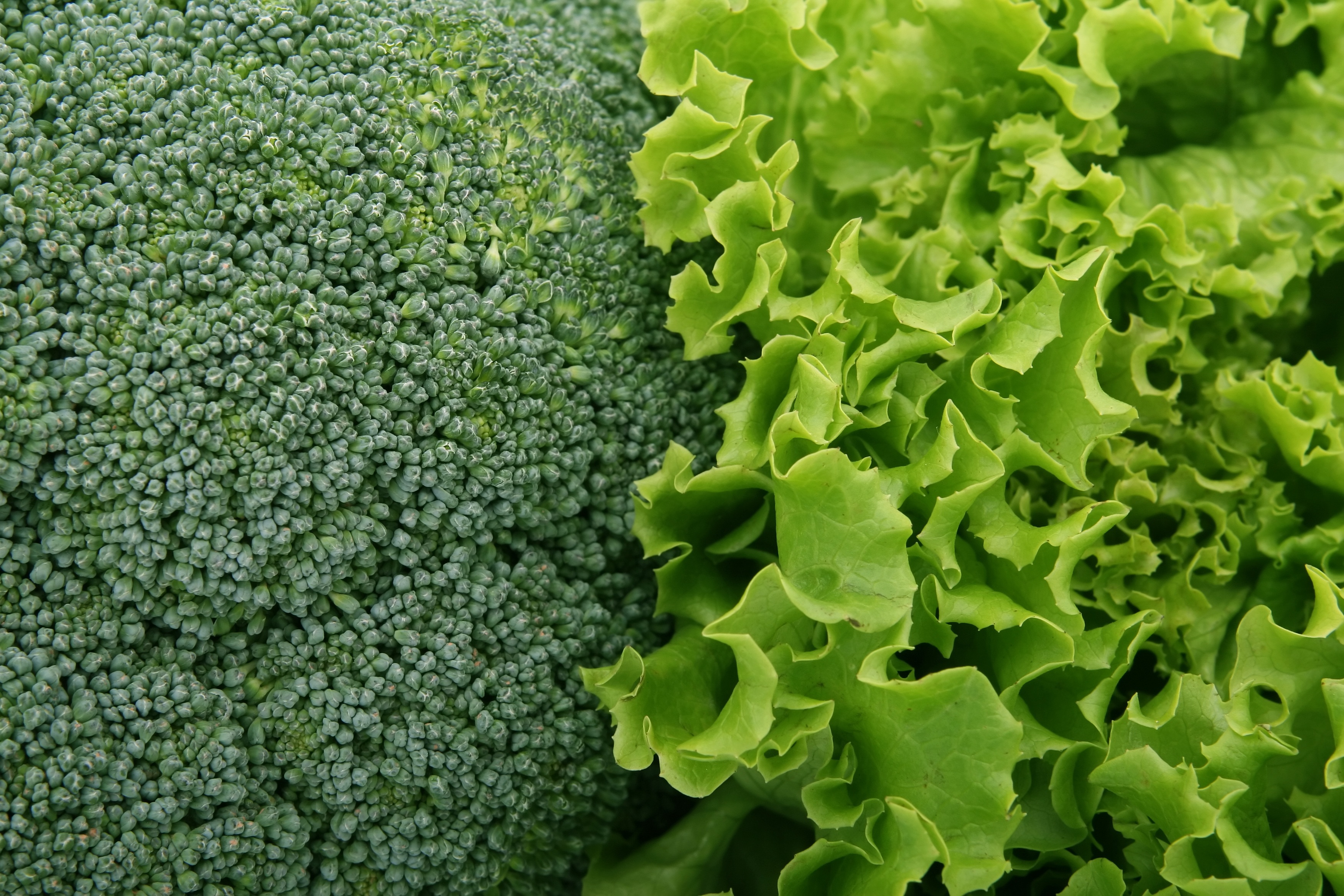
Plant-powered eating has drawn interest as more people explore how a plant-based diet can support heart health alongside standard medical care. Research suggests that focusing on whole plant foods may help with heart reversal, cholesterol reduction, and long-term protection when followed consistently.
In this context, a plant-based diet is seen as a therapeutic pattern that emphasizes minimally processed plants over animal products and ultra-processed foods.
What Is a Plant-Based Diet for Heart Reversal?
A plant-based diet centers vegetables, fruits, whole grains, legumes, nuts, and seeds, while minimizing or excluding animal products and heavily processed foods. For heart reversal, many protocols use a whole-food, low-fat variation that limits added oils, refined sugars, and refined grains.
The aim is to supply abundant fiber, antioxidants, and phytonutrients while reducing components that contribute to plaque buildup in the arteries.
“Plant-based” does not always mean strictly vegan, but heart-focused programs often encourage eating as close to fully plant-based as possible. In these cases, the diet functions less as a trend and more as part of an intensive lifestyle approach to supporting cardiovascular repair and reducing symptoms.
Can a Plant-Based Diet Really Reverse Heart Disease?
Heart reversal usually refers to regression of atherosclerotic plaque, improved blood flow, fewer angina episodes, and reduced cardiac events, rather than complete erasure of disease.
Clinical programs and long-term observations have reported such changes in some participants who follow a carefully designed plant-based diet alongside exercise, stress management, and appropriate medical treatment. Diet is one component of a broader strategy, not a replacement for professional care.
Responses vary between individuals, and significant changes rarely happen overnight. The most promising results tend to appear in people who make substantial, sustained dietary changes. In this setting, a plant-based diet is part of an overall lifestyle pattern that can lessen symptom burden and improve quality of life.
How Long Does It Take to See Results?
Some people report early improvements, such as better energy and reduced chest discomfort, within weeks to a few months of adopting a plant-based diet.
Laboratory measures like cholesterol reduction and improved blood pressure can also shift within this period when the pattern is followed consistently. These short-term gains often motivate people to continue.
Structural changes, including partial regression of plaque or improved imaging results, usually require longer.
Long-term study findings and intensive programs often track participants over several years, observing how sustained adherence to a plant-based diet and lifestyle influences heart function and event rates. In practice, heart reversal is viewed as a gradual, cumulative process.
Does a Plant-Based Diet Lower Cholesterol?
Cholesterol reduction is one of the clearest benefits linked with a plant-based diet. LDL (“bad”) cholesterol plays a central role in plaque formation, and lowering it is a priority in heart disease care. By replacing foods high in saturated fat and cholesterol with fiber-rich plant foods, many individuals see improvements in their lipid profiles.
Soluble fiber from oats, barley, beans, lentils, apples, and citrus fruits can help remove cholesterol through the digestive tract. When these foods form the base of meals, total and LDL cholesterol often fall over time, according to the World Health Organization.
Swapping butter, fatty meats, and full-fat dairy for nuts, seeds, avocado, and modest amounts of minimally processed plant oils supports this shift while preserving satisfaction at meals.
What Does Long-Term Research Say?
Long-term study data link plant-centered eating patterns with lower rates of cardiovascular disease, heart attacks, and overall mortality.
People whose diets rely heavily on whole plant foods, with limited animal products and low intake of ultra-processed items, tend to have better outcomes over many years than those on more conventional diets. These associations suggest that dietary patterns meaningfully affect heart health trajectories.
Interventional programs that emphasize a plant-based diet plus lifestyle change add more detail. Over multi-year follow-up, participants often show improved symptoms, better cholesterol reduction, and fewer cardiac events.
While study designs differ, the recurring pattern is that sustained plant-based eating aligns with more favorable cardiovascular markers and experiences.
What Can You Eat on a Heart-Reversal Plant-Based Diet?
A heart-reversal style plant-based diet highlights foods rich in fiber, antioxidants, and healthy fats. Whole grains such as oats, brown rice, barley, quinoa, and whole wheat offer steady energy and support blood sugar control.
Legumes, including beans, lentils, chickpeas, and peas, provide plant protein and contribute significantly to cholesterol reduction.
Vegetables and fruits form the foundation of each plate, with emphasis on leafy greens, cruciferous vegetables, berries, and citrus. Nuts and seeds like walnuts, almonds, flax, and chia supply beneficial fats and additional fiber.
Many heart-focused approaches also recommend minimizing added oils and choosing steaming, baking, stewing, or dry sautéing instead of deep-frying.
Foods typically limited include red and processed meats, high-fat dairy, butter, and sources of trans fats.
Refined grains, sugary drinks, and heavily processed snacks can interfere with lipid and weight goals. Shifting the everyday balance toward whole plant foods and away from these items creates a pattern more consistent with heart reversal and long-term protection.
Practical Plant-Based Recipe Ideas for Heart Health
Simple recipe ideas make this style of eating more sustainable. For breakfast, overnight oats with plant-based milk, ground flax or chia, and berries deliver fiber, antioxidants, and healthy fats. Green smoothies built from leafy greens, fruit, and unsweetened plant milk offer a quick way to increase daily vegetable and fruit intake.
Lunch and dinner can revolve around bean or lentil soups, vegetable stews, and chili served over brown rice or quinoa. Tacos filled with black beans or chickpeas, topped with salsa, cabbage, and avocado, combine satisfaction with heart-friendly ingredients.
Stir-fries using tofu or tempeh, mixed vegetables, and whole grains keep meals varied while maintaining a plant-based focus, as per Harvard Health.
Snacks such as fresh fruit, raw vegetables with hummus, roasted chickpeas, and small portions of nuts or seeds help maintain energy and reduce reliance on processed options. Batch-cooking beans and grains, prepping vegetables, and planning several plant-based recipe ideas each week can make adherence more realistic.
Plant-Based Diet Strategies for Lasting Heart Support
For those interested in heart reversal and long-term protection, gradual change is often the most sustainable approach. Starting with one or two plant-based meals a day, experimenting with new recipe ideas, and steadily increasing the share of whole plant foods can build a pattern that supports cholesterol reduction and better vascular health.
Over time, a consistent plant-based diet can become the everyday backdrop for improved heart function, fewer symptoms, and a stronger foundation for long-term cardiovascular well-being.
Frequently Asked Questions
1. Can someone follow a plant-based diet for heart health if they are not fully vegetarian?
Yes. Even if someone still eats small amounts of animal products, shifting most meals toward whole plant foods can support cholesterol reduction and overall heart health.
2. Does a plant-based diet always mean very low fat for heart reversal?
Not always. Some heart-reversal programs are very low fat, but others allow moderate amounts of whole-food fats like nuts, seeds, and avocado while still emphasizing plants.
3. Can a plant-based diet interfere with heart medications?
It can change blood pressure, cholesterol, and blood sugar, which may affect medication needs, so adjustments should always be made with a healthcare professional.
4. Is it necessary to count calories on a plant-based diet for heart health?
Many people focus more on food quality than calories, but portion awareness still matters, especially with higher-fat foods like nuts and oils.