When President Donald Trump was first asked about news that Russia was sharing intelligence with Iran about the location of US military assets in the Middle East, he lashed out at a reporter for not staying on the topic at hand: the future of competitive college sports.
“What a stupid question that is to be asking at this time,” the president said last week. “We’re talking about something else.”
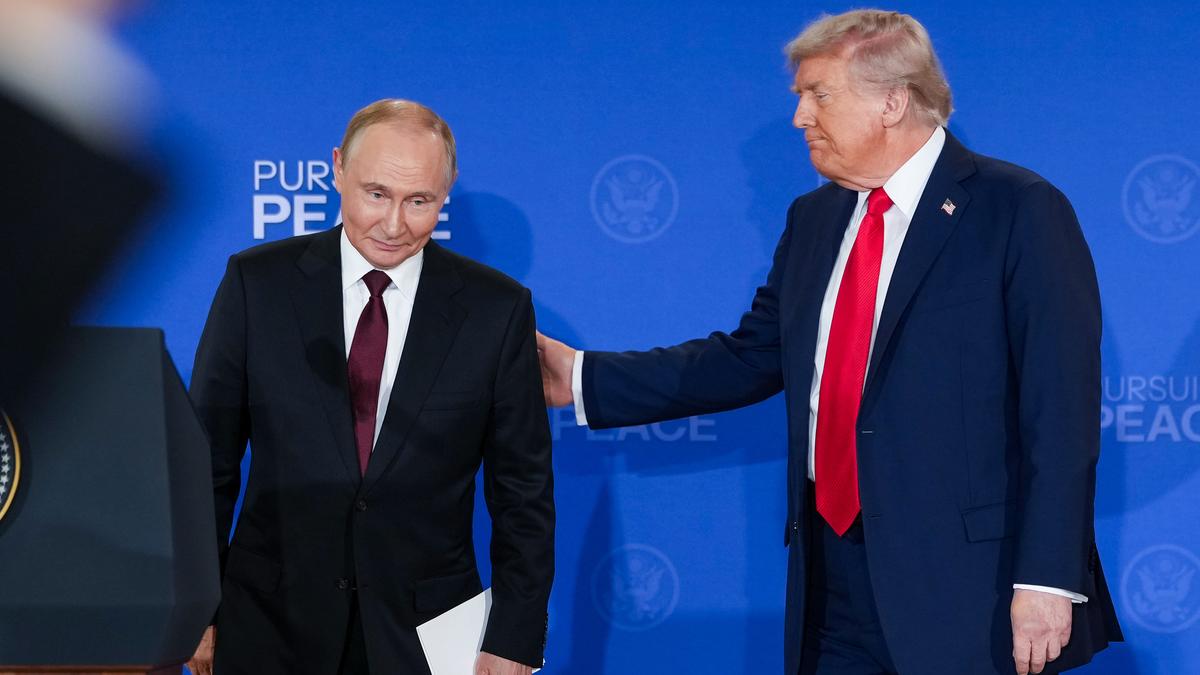
When Trump spoke with President Vladimir Putin and his aides by telephone this week, the Russians denied sharing the intelligence, according to Trump’s special envoy Steve Witkoff. And by his account, that was good enough for the Trump administration.
Sign up to The Nightly’s newsletters.
Get the first look at the digital newspaper, curated daily stories and breaking headlines delivered to your inbox.
By continuing you agree to our Terms and Privacy Policy.
“We can take them at their word,” said Mr Witkoff, offering a remarkably credulous assessment of Russia’s intentions, even as Putin has defied Trump repeatedly over the deadly, yearslong war in Ukraine.
For Trump, the deference to Russia highlights a pattern that has crystallised in recent months as he launches military action overseas.
The president goes out of his way to make allowances for Putin and President Xi Jinping of China, strongman leaders whom he has praised as smart and savvy. But he takes a far more aggressive approach with leaders he sees as weak — allies and adversaries alike.
“Trump takes a clearly different stance toward major powers than he does everyone else,” said Stephen Wertheim, a senior fellow at the Carnegie Endowment for International Peace.
“He wants to be the dominant player in any situation, and he, not without some reason, thinks that he’s dominant vis-à-vis small countries.”
Mr Wertheim calls Trump’s approach the “punch down doctrine.”
The president has toppled autocratic leaders in Venezuela and Iran, in both cases suggesting that he expected the US military to make quick work of it.
(On Wednesday, he said the ongoing fight in Iran “turned out to be easier than we thought.”) He has also threatened to take over Greenland and make Canada the 51st state, and last year he publicly dressed down President Volodymyr Zelenskyy of Ukraine.
Stephen Walt, a professor of International affairs at Harvard University, said the United States leverages its power to extract concessions and further its interests, often with little regard for sovereignty and international norms. That has been evident in Trump’s dealings with Canada, Mexico, Denmark and European allies.
And when it comes to adversaries like Venezuela and Iran, Trump has also shown a pattern.
“He can’t bully Russia and China the same way,” Mr Walt said. “If you look at the actual policies, what you get is an attempt to bully weak states, especially weak states that don’t have a lot of useful friends.”
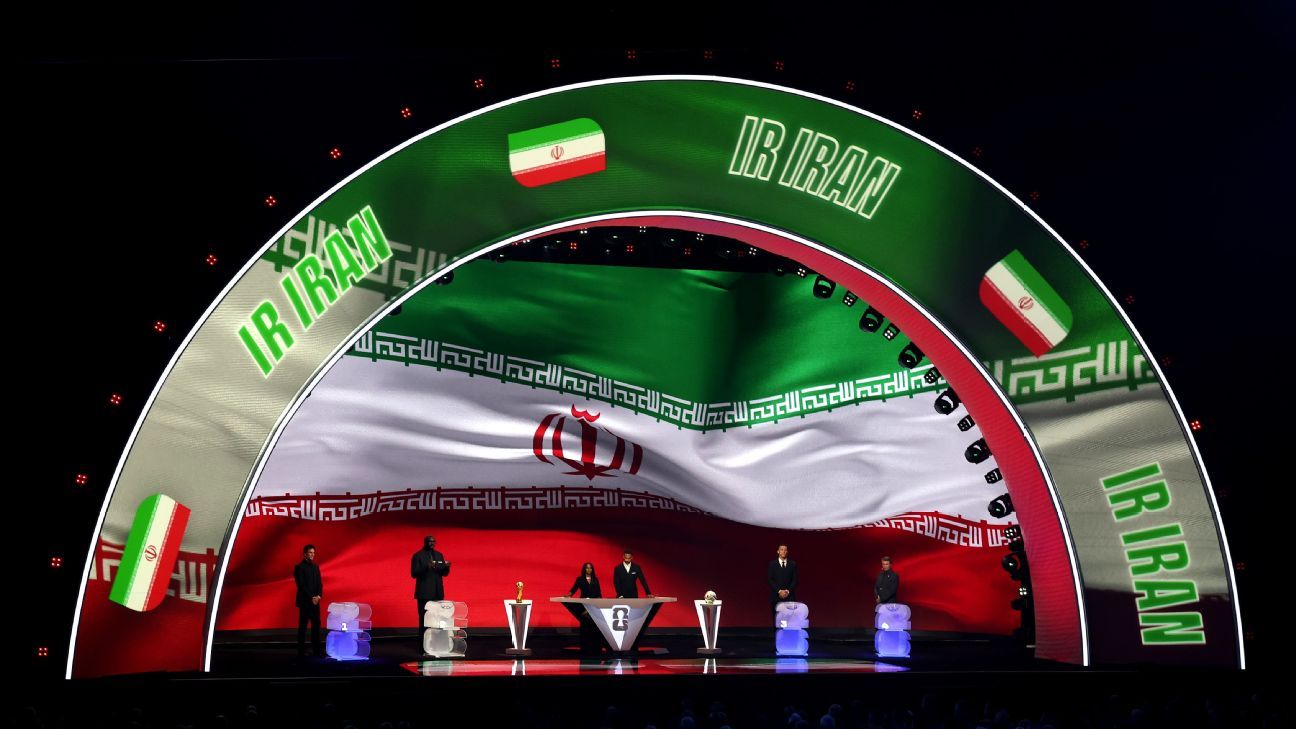
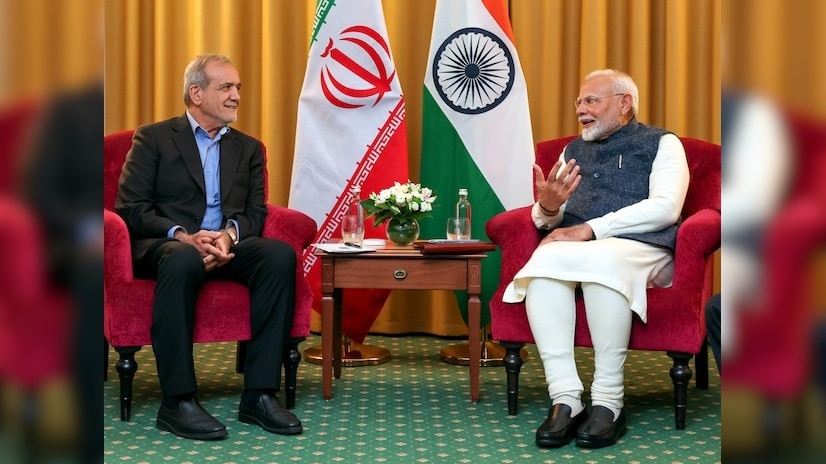
Iran has long had a friend in Russia, a nuclear power that Trump’s own administration has identified as a principal US adversary. But Trump and administration officials downplayed any concerns that Russia was helping Iran in the war.
“Whether or not this happened, frankly, it does not really matter, because President Trump and the United States military are absolutely decimating the rogue Iranian terrorist regime,” Karoline Leavitt, the White House press secretary, said in a Fox News interview.
The administration’s muted response to Russia’s involvement has alarmed national security experts.
Evelyn Farkas, a former senior Pentagon official and Russia expert and now the executive director of the McCain Institute, said that Russia’s involvement was a threat, in that it could help prevent the Iranians from capitulating — prolonging a war that will cost the government and the American people considerable money and man-hours.
“Even if our military is prevailing and the Russian intelligence is not giving Iran an edge, so long as it might lead to the loss of US lives, it is a threat,” Ms Farkas said.
Since the beginning of the US and Israeli bombardment of Iran, the administration has not articulated the imminent threat that Iran posed; Trump said he had an “opinion,” and Ms Leavitt said he had “a feeling” that Iran would attack the United States. The objectives also keep shifting for a war that has widened into a broader conflict, rattled global markets and killed seven US service members and more than 1,000 people, including schoolchildren, in Iran.
Ms Leavitt cast the war as a show of Trump’s resolve.
“When President Trump makes a threat — and I have reiterated that threat many times from this podium to all of you over the past year — President Trump does not bluff,” Ms Leavitt told reporters last week.
Trump had been threatening action against Iran for some time. “I’m not happy with the fact that they’re not willing to give us what we have to have,” he told reporters just before the initial strikes. “I’m not thrilled with that.”
But the president has expressed the same sentiment about Putin, saying nearly a half dozen times that he was “not happy” or “disappointed” or “not thrilled” with Russia’s ongoing invasion of Ukraine. He threatened that there would be “severe consequences” should Russia not comply with his demands to broker a peace deal.
He issued several deadlines, ranging from 50 days to two weeks, for Putin to end the war, which is now raging into its fifth year.
He has called Iranian leaders “lunatics” and accused them of dragging out negotiations in order to buy time, echoing comments he made last year in which he called Putin “absolutely crazy” and acknowledged that he thought the Russian president was maybe even playing him to drag out the war and inflict maximum destruction.
As recently as January, in a news conference where he discussed the US operation to storm Venezuela and capture President Nicolás Maduro, Trump complained about the Russian leader. “I’m not thrilled with Putin,” Trump told reporters. “He’s killing too many people.”
Yet, despite the repeated frustrations, the Trump administration has started to loosen some restrictions on Russian oil exports that were designed to pressure the Kremlin over the war in Ukraine.
On Monday, Trump said in a news conference that he had a “very good call” with Putin, who he said wanted to be “helpful” in the conflict in the Middle East. (Trump noted that he told Putin he could be helpful by ending his own war in Ukraine).
Trump said nothing about the fact that Russia was aiding Iran in the war. But he noted that Putin “was very impressed with what he saw, because nobody’s ever seen anything quite like it.”
© 2026 The New York Times Company