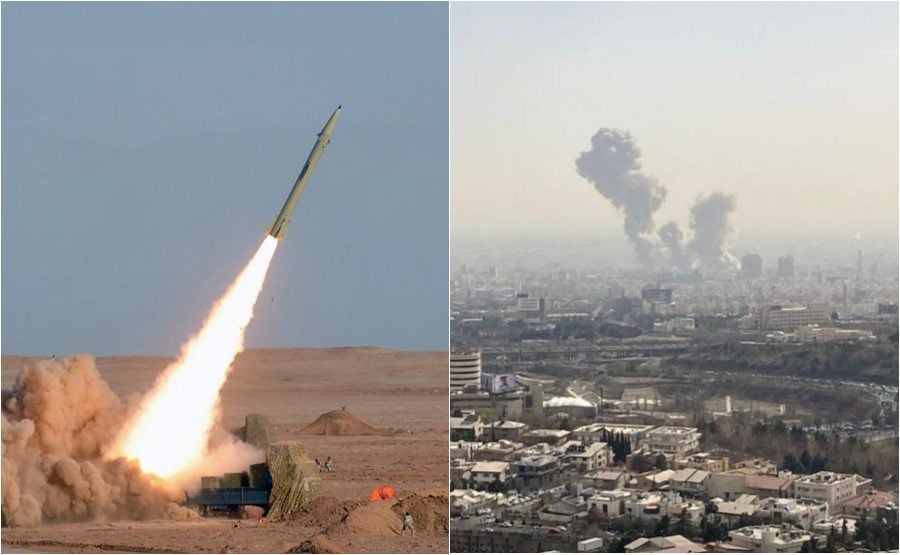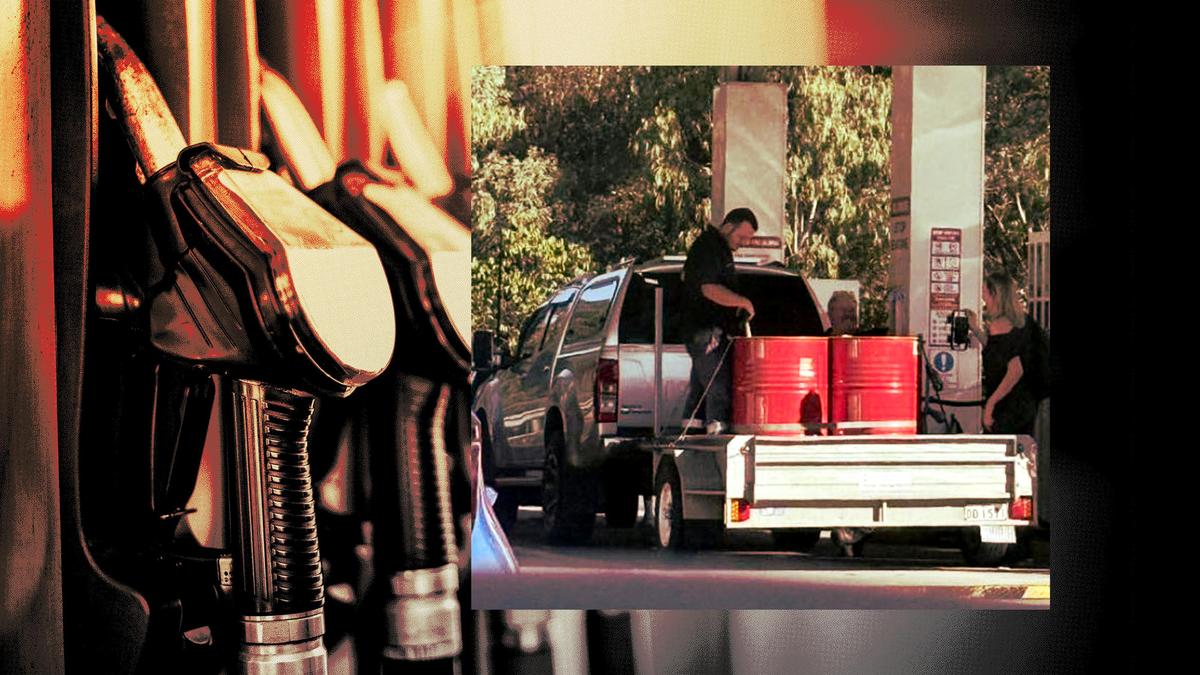
Australia may have to ration petrol like it did briefly during the early 1970s should the US-Israel war with Iran continue beyond another six weeks, a former consumer regulator says, as the Federal Government demands retailers justify their soaring prices.
Average capital city prices for basic 91-octane unleaded have hit $2 a litre, climbing above $2.40 for the 98-octane variety, and there could be worse to come should the conflict in the Middle East escalate.
They are now well above the $1.80 a litre average of the December quarter, prompting the Australian Competition and Consumer Commission on Friday to write to petrol retailers demanding they justify their price increases.
Sign up to The Nightly’s newsletters.
Get the first look at the digital newspaper, curated daily stories and breaking headlines delivered to your inbox.
By continuing you agree to our Terms and Privacy Policy.
“While these international costs are largely outside the control of local petrol retailers, we remind retailers that making false or misleading statements to consumers about the reasons of price increases would be in breach of the Australian Consumer Law,” Commissioner Anna Brakey said.
“We have written to major fuel companies to set out our expectations about domestic fuel pricing as these international events unfold.”
Professor Allan Fels, a former ACCC chairman, said a prolonged war with Iran could see petrol rationed like it was in 1973, following the Arab-Israeli Yom Kippur War, to reduce the incidence of panic buying.
“If the whole thing goes for six weeks, we’ll be really feeling the pain,” he told The Nightly.
“If it’s more than six weeks, the government will have to do something — it may start with some price control and a little bit of informal rationing.”
This informal rationing would mean signs advising people to restrict the amount of petrol they are putting into their tanks, similar to supermarkets during COVID putting up signs limiting toilet paper purchases.
But a prolonged war in the Middle East could see a longer-term form of rationing, similar to World War II, along with new legislation to regulate the wholesale or terminal gate price of petrol.
“Then if it went for 12 months, and it concerned oil, we’d see if the market had a solution, but it could require rationing in a year or so,” Professor Fels said.
The former ACCC chief has accused petrol retailers of ripping off motorists, based on prices at the bowser going up in tandem with the spot prices of crude oil instead of there being the usual one-week lag.
“It’s just exploitation. It’s just opportunity. The price will go up if retailers think the demand is there and people are worried and so they’re buying a bit more and it’s easy to put the price up,” Professor Fels said.
“Well, it’s price gouging. It’s been going up in the last few days, sharply and the only explanation is the service stations see an opportunity to charge more.
Petrol prices in Melbourne on Friday Credit: Luis Ascui/NCA NewsWire
“By the way, the wholesale price will start to go up to add another layer to it in a few days.”
The US strike that killed Iran’s former Supreme Leader Ayatollah Ali Khamenei in Tehran also occurred during the high of the weekly price cycle, with Professor Fels fearing an end to discounting for at least a few weeks.
“Unfortunately, the war thing got going at the top of the cycle so we’re copping it pretty bad because of that,” he said.
The West Texas Intermediate price of crude oil has soared by 19 per cent to a near two-year high of $US80 a barrel since Sunday.
This would have flow-on effects for the Singapore Tapis price of crude oil which reflects retail petrol prices in Australia and across the Asia-Pacific.
But Graeme Samuel, another former ACCC chairman, said commentary about price gouging simply encouraged panic buying which in turn worsened inflationary expectations.
“I was staggered to see suddenly people lining up at petrol stations to get their petrol because they were worried and that was because of the scare campaign,” he said.
“The other factor is people are worried, not about getting the low price but whether we’re going to run out of petrol because there was hyperbole there in some of the commentary that we’ve only got about four weeks’ of supply.
“Panic buying says, ‘the consumer is acting irrationally, we’ll feed that irrationality by potentially moving up prices’ — supply and demand — the inflationary expectation actually feeds into inflation.”