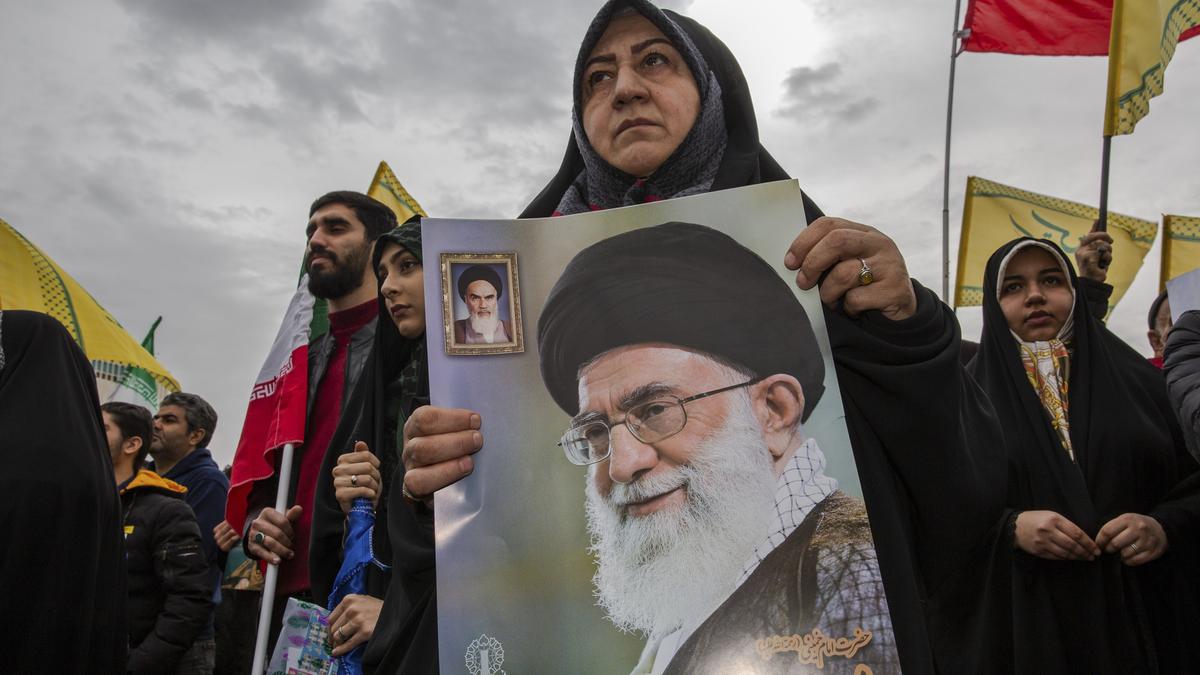
The escalating war with Iran prompted investors to dump travel and airline stocks after the Australian stock market opened on Monday, with five major airports closed across the Middle East.
Shares in national airline Qantas slumped 10 per cent at the open to $8.92 as Iranian strikes on Dubai Airport and across the Middle East’s key transport hubs unleash global travel chaos.
Leisure and corporate travel bellwether Flight Centre dropped 6 per cent as investors bet the conflict could drag out for weeks or even months. Tech stocks also dived again as investors abandoned risk in favour of government bonds, cash, or hard assets.
Sign up to The Nightly’s newsletters.
Get the first look at the digital newspaper, curated daily stories and breaking headlines delivered to your inbox.
By continuing you agree to our Terms and Privacy Policy.
After the first hour of trade, the S&P/ASX 200 was down 0.4 per cent, with the Australian dollar 0.8 per cent lower to US70.6¢.
Oil, gas climbs
Benchmark Brent Crude oil futures jumped as much as 12 per cent in early trade to $US81.89 a barrel, before giving back some of their advance to around $US79.45 on Monday morning.
Gold extended a rally from Friday to add 1.9 per cent to $US5377 an ounce.
The move in energy pushed Australia’s largest oil and gas producer Woodside up 7 per cent in early trade, with gas producer Santos advancing 8 per cent and Karoon Energy jumping 15 per cent.
Gas futures traded in London also surged 11 per cent at the open as a broad rise in global energy prices threatens to spill across the Australian economy. The moves came after Iran attacked shipping in key energy shipping route the Strait of Hormuz.
“Higher oil and gas prices are certain as the closure of the Strait of Hormuz threatens to disrupt 15 per cent of global oil supply and 20 per cent of global LNG supply, with oil prices potentially exceeding $US100 a barrel if tanker flows are not quickly restored,” said Alan Gelder, a consultant for Refining, Chemicals and Oil Markets at Wood Mackenzie.
“Following US and Israeli attacks on Iranian government, military and nuclear facilities, Iran warned shipping away from the waterway and insurers withdrew coverage, effectively halting tanker traffic.”
Around $US500 billion of oil and gas flows through the narrow waterway between Iran and the United Arab Emirates each year, with around 150 vessels reportedly at anchor as traffic through the channel collapses.
In response to the uncertainty, the OPEC+ group of oil-producing nations agreed to hike production by 206,000 barrels a day in a Sunday meeting – a move that could offset some supply disruptions from the conflict.
A halt in liquefied national gas flows through the Strait of Hormuz would be equally disruptive for global gas and LNG markets, according to Wood Mackenzie.
“With approximately 1.5 million [tonnes] of LNG exports at risk for each week that flows through the Strait of Hormuz are halted, both Asian and European markets would need to draw more heavily on existing storage and would increase the need for restocking over the summer,” said Wood Mackenzie analyst Massimo Di Odoardo.
“This would tighten market conditions well beyond the eventual resumption of trade through the Strait.”