Jury deliberations begin after 5 days of testimony in high-profile case that haunted Miami football and Haitian-American family for nearly 20 years
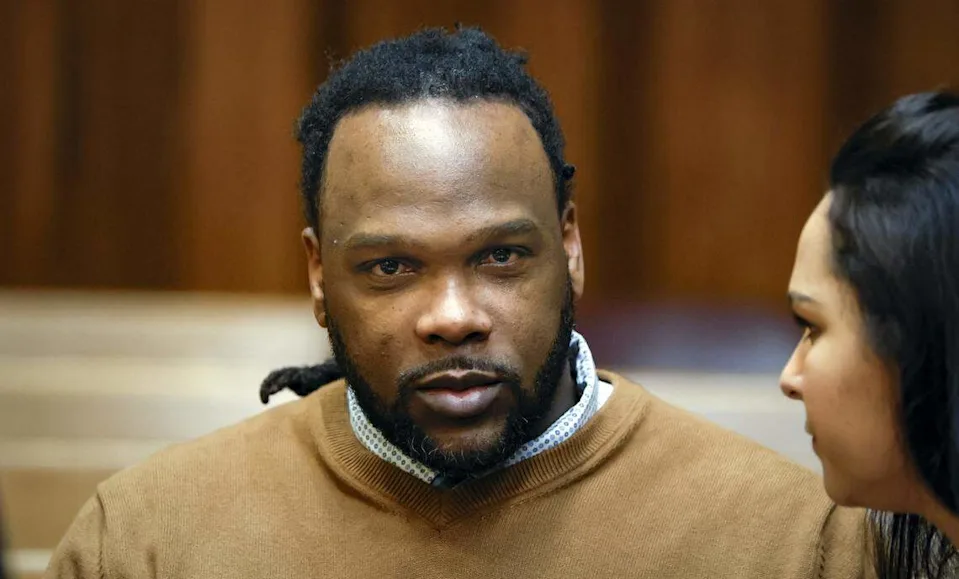
Miami, FL – February 20, 2026 After five days of emotional testimony in a nearly two-decade-old cold case, closing arguments concluded Wednesday in the second-degree murder trial of former University of Miami Hurricanes player Rashaun Jones, 40, accused of fatally shooting his teammate Bryan Pata in 2006.
The case is now in the hands of a six-person jury, who began deliberations Thursday afternoon following jury instructions from the judge.
The murder took place on November 7, 2006, when Pata, a promising 22-year-old Haitian-American defensive lineman with NFL aspirations was gunned down outside his Kendall apartment complex shortly after returning from football practice. He died from a single gunshot wound to the head, ruled a homicide by former Miami-Dade Chief Medical Examiner Dr. Emma Lew, who testified Wednesday.
Prosecutors allege jealousy as the motive, pointing to tensions between Jones and Pata — including over a mutual romantic interest — and circumstantial evidence placing Jones near the scene. In her closing argument, prosecutor Cristina Diamond painted a stark contrast between Pata’s bright future and the defendant’s alleged envy.
The state leaned heavily on cell phone records analyzed by Miami-Dade Sheriff’s Sgt. Sergio Cremisini, who testified that Jones’ phone connected to a tower near Pata’s apartment three times on the day of the killing , a deviation from its usual patterns. An eyewitness, former UM professor Paul Conner, identified Jones in a lineup as the man he saw leaving the scene shortly after the shots.
Jones, who has pleaded not guilty and maintained his innocence since his 2021 arrest in Ocala, declined to testify. His defense called no witnesses and rested its case after the prosecution.
If convicted of second-degree murder (with a firearm), Jones faces up to 25 years to life in prison. No murder weapon was ever recovered, and the case remained unsolved for 15 years until reopened investigations led to his arrest.
The trial has drawn intense attention in South Florida’s sports and Haitian-American communities, where Pata’s family — including his mother Jeanette and siblings — has advocated tirelessly for justice. Bryan, born to Haitian immigrant parents in Miami, grew up in Little Haiti and was remembered as kind, hardworking, and deeply family-oriented.
A verdict is expected soon in what could be a landmark resolution to one of Miami’s longest-standing unsolved athlete murders.
L’Union Suite will continue following the jury deliberations and any verdict. Our thoughts remain with the Pata family as they seek long-overdue closure.