Art serves many purposes, from revealing the artist’s or collector’s perspective to showing their keen appreciation of the subject matter to making a statement about the world at large.
One museum that typifies all three particularly well isn’t found in a major metropolitan city but on the outskirts of an expansive animal refuge in the Mountain West: the National Museum of Wildlife Art (NMWA). Take just one trip to this wondrous Wyoming institution, and you’ll emerge with a new appreciation of nature, its inhabitants, and those dedicated to honoring it.
The origins
The NMWA was the brainchild of Jackson Hole residents Bill and Joffa Kerr, art enthusiasts who had amassed a collection of some 250 works over the course of three decades and wanted to share it with the world. But it wasn’t just any collection—their pieces focused on wildlife, a shared passion of theirs.
In 1987, their dream came to fruition when they opened the 5,000-square-foot Wildlife of the American West Art Museum in Jackson’s Town Square, a small park in the heart of the city. The pair had a grander vision, however, quickly understanding that they would need a larger building for not only their already owned art but also the new pieces they were bringing in. That led to the opening of the National Museum of Wildlife Art, a facility ten times the size of the original, three miles north in 1994.
The museum
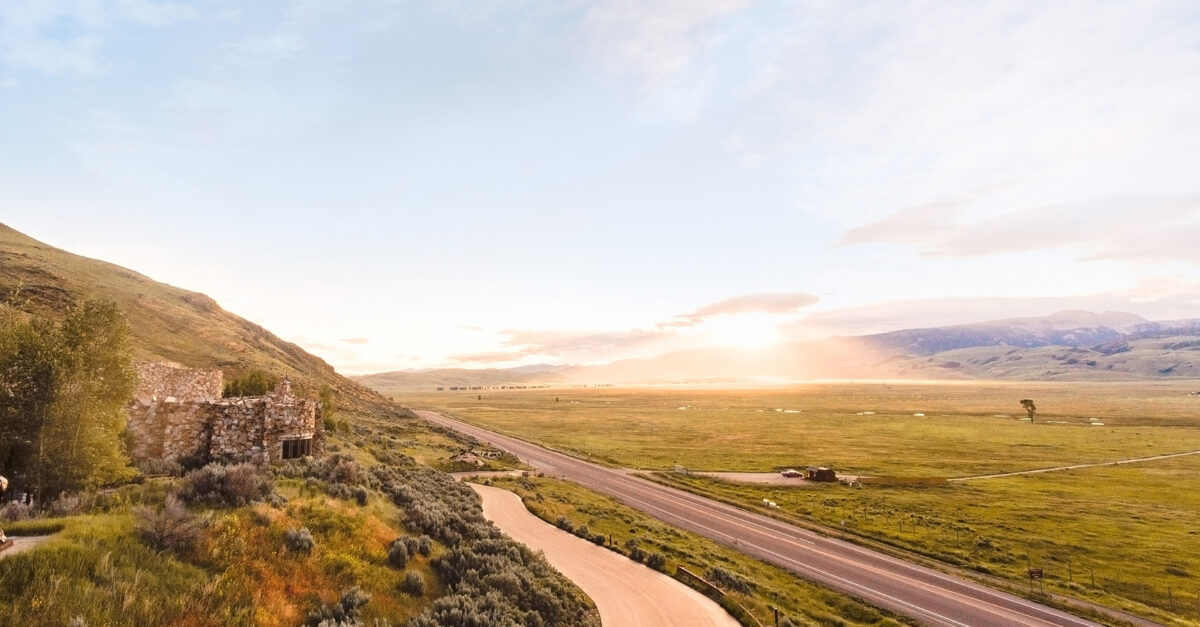
When you visit, prepare to be amazed even before stepping through the front door. That’s because, in a stroke of inspiration, the Kerrs chose to construct their new building right into the side of a mountain butte overlooking the National Elk Preserve, modeling it after the ruins of Scotland’s Slains Castle. As a result, its rocky facade blends perfectly into the cliffside, giving it a postcard-like quality, especially when paired with the sanctuary across the way.
Inside, the NMWA features fourteen permanent galleries and is home to more than 5,000 cataloged items, some dating as far back as 2500 BCE. The over 550 artists featured here range from locals to famous names such as Georgia O’Keeffe, Andy Warhol, John James Audubon, and Carl Rungius. The latter is particularly noteworthy—as one of the world’s preeminent wildlife artists, Rungius and his art are a focal point of the museum, which houses the largest collection of his works in the country.
Beyond the brush
In addition to displaying a vast number of pieces to peruse, the NMWA prioritizes education. For example, it welcomes over 3,000 students on free school tours every year, hosts a spring art studio for kids, and provides both high-school internships and an annual college scholarship. It also offers online options such as Bisoncast, a video series that discusses both the museum’s art and nature as a whole.
In addition, the NMWA aims to foster visitors’ connection to the great outdoors through a truly unique artistic experience: its Sculpture Trail. Designed by famed landscape architect Walter Hood and opened in 2012, the three-quarter-mile path is bursting with awe-inspiring wildlife sculptures and plants in the open air. For the most complete experience, be sure to add the Greater Yellowstone Botanical Tour; this audio excursion reveals fascinating information about the area’s ecosystem.
It’s been said that “the beauty of wildlife must be preserved, for it is the divine canvas of creation.” That goes to the heart of the National Museum of Wildlife Art, a place founded to not only share its artists’ talents with the world but also connect people with nature.
For more info, visit wildlifeart.org