SYNOPSIS: Kotak Institutional Equities says AI may slow hiring in India’s IT sector and soften spending sentiment among tech professionals, but productivity gains and talent shifts to manufacturing could partly offset the disruption.
Remember Anthropic and DeepSeek – one from the US and the other from China? The fear around both platforms grew so intense that the global IT indices began feeling the heat, while many white-collar professionals started worrying about losing their jobs.
However, the long-term impact of artificial intelligence may be more nuanced. According to Sanjeev Prasad of Kotak Institutional Equities, AI could gradually disrupt certain parts of India’s IT services sector and influence spending behaviour among technology professionals. At the same time, the broader economy could benefit from higher productivity and structural shifts in the workforce, as highlighted in the brokerage’s latest strategy report.
Kotak Institutional Equities notes that while AI adoption may slow hiring in traditional IT services roles, the technology could significantly enhance productivity across industries. Over time, the report suggests that some talent could move toward manufacturing, deep engineering, and other core technology sectors, which may help balance the disruption and create new opportunities in the economy.
I. Key role of IT services in India’s economy
India’s IT services industry is a significant pillar of the country’s economy. Exports from the sector, including IT services, Business Process Outsourcing (BPO), and Global Capability Centres (GCCs), contribute roughly 6.5 percent to India’s GDP. Despite its strong economic contribution, the sector directly employs about 1 percent of the total workforce and accounts for around 6-7 percent of the country’s income tax filers.
According to Kotak Institutional Equities, the average employee in the IT sector earns 3-4x more than the typical Indian worker. Because of this higher income bracket, any slowdown in hiring or salary growth in the industry could influence consumer spending patterns, especially in urban areas.
II. AI concerns may affect spending sentiment, but IT demand remains intact
The report notes that rising concerns around AI-driven automation and job stability could make IT professionals more cautious about spending. Households dependent on IT incomes may delay discretionary purchases and become more hesitant about taking long-term financial commitments such as home loans or large investments.
Kotak said that sentiment among IT households could soften in the near term, potentially leading to slower demand for high-value consumer purchases. However, the brokerage does not expect a sharp decline in overall demand for IT services. Instead, it anticipates a gradual reduction in pricing as companies increasingly integrate AI technologies into their operations.
III. AI could improve productivity across industries
While AI may reshape certain IT roles, Kotak said it also has the potential to bring significant productivity improvements across the broader economy. For instance, financial institutions can use AI to enhance credit evaluation, pricing models, and risk assessment frameworks.
Improved analytics and automation could help banks and lenders reduce non-performing loans and expand credit growth. Additionally, as AI reduces the cost of technology implementation, businesses may be able to launch more digital initiatives without significantly increasing their IT budgets.
IV. Talent may gradually move beyond traditional IT roles
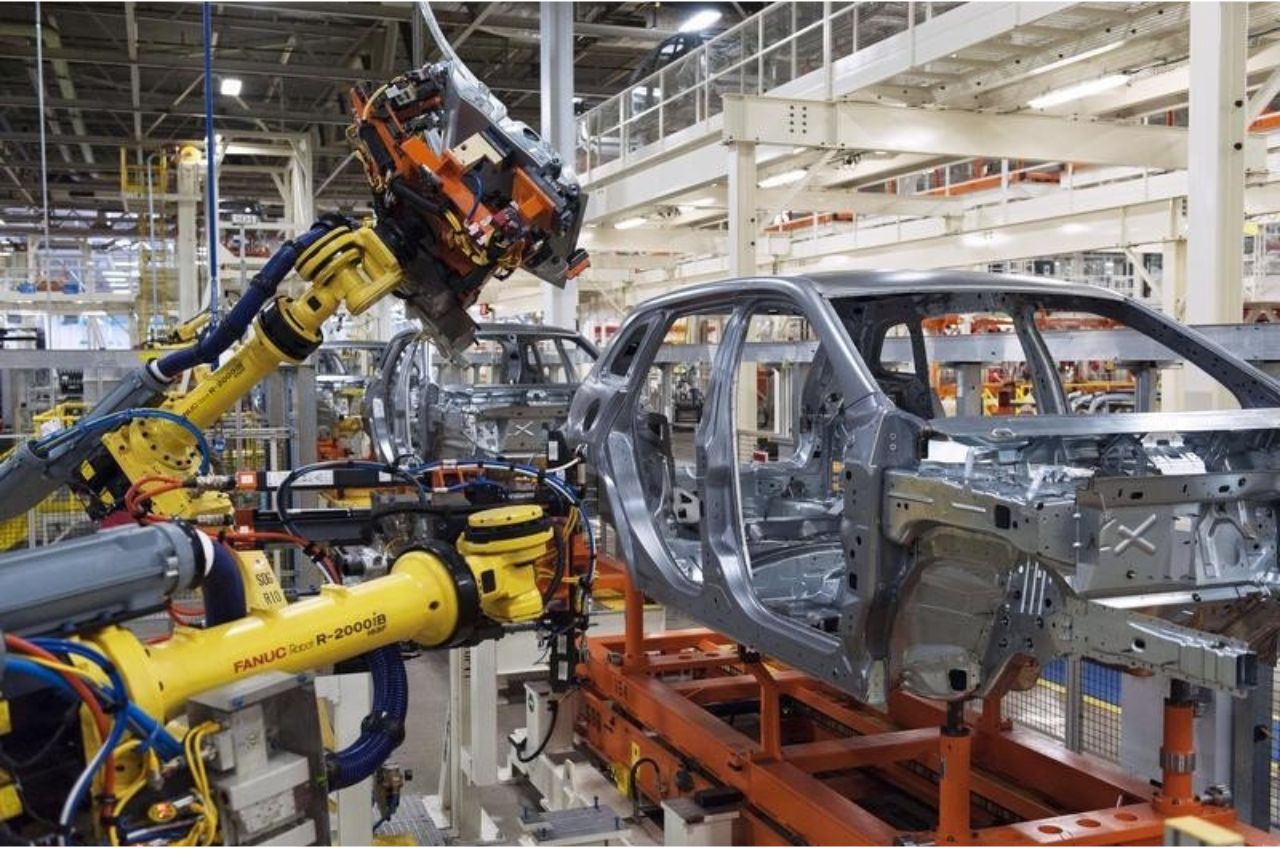
The report also suggests that if hiring in the IT services sector slows, the labour market could gradually rebalance. Some engineers may choose to shift toward core engineering fields such as manufacturing, industrial automation, and hardware development rather than traditional software services roles.
At the same time, IT professionals joining non-IT companies could help accelerate technology adoption and operational efficiency across industries. Kotak believes that strengthening India’s manufacturing ecosystem will be important to fully leverage these potential workforce shifts.
Overall, the brokerage believes that fears of large-scale job losses may be overstated. Although the services sector contributes significantly to GDP, it employs a relatively smaller share of the workforce in formal jobs, meaning the broader employment impact may remain limited in the near term.
Moreover, since a large portion of India’s workforce still operates in the informal sector, disruptions in white-collar roles alone are unlikely to significantly alter overall employment levels in the short term.
Disclaimer: The views and investment tips expressed by investment experts/broking houses/rating agencies on tradebrains.in are their own, and not that of the website or its management. Investing in equities poses a risk of financial losses. Investors must therefore exercise due caution while investing or trading in stocks. Trade Brains Technologies Private Limited or the author are not liable for any losses caused as a result of the decision based on this article. Please consult your investment advisor before investing.